Washington and Tehran are playing a high-stakes game of diplomatic chicken, and Islamabad has decided it cannot afford to stand by and watch the region burn.
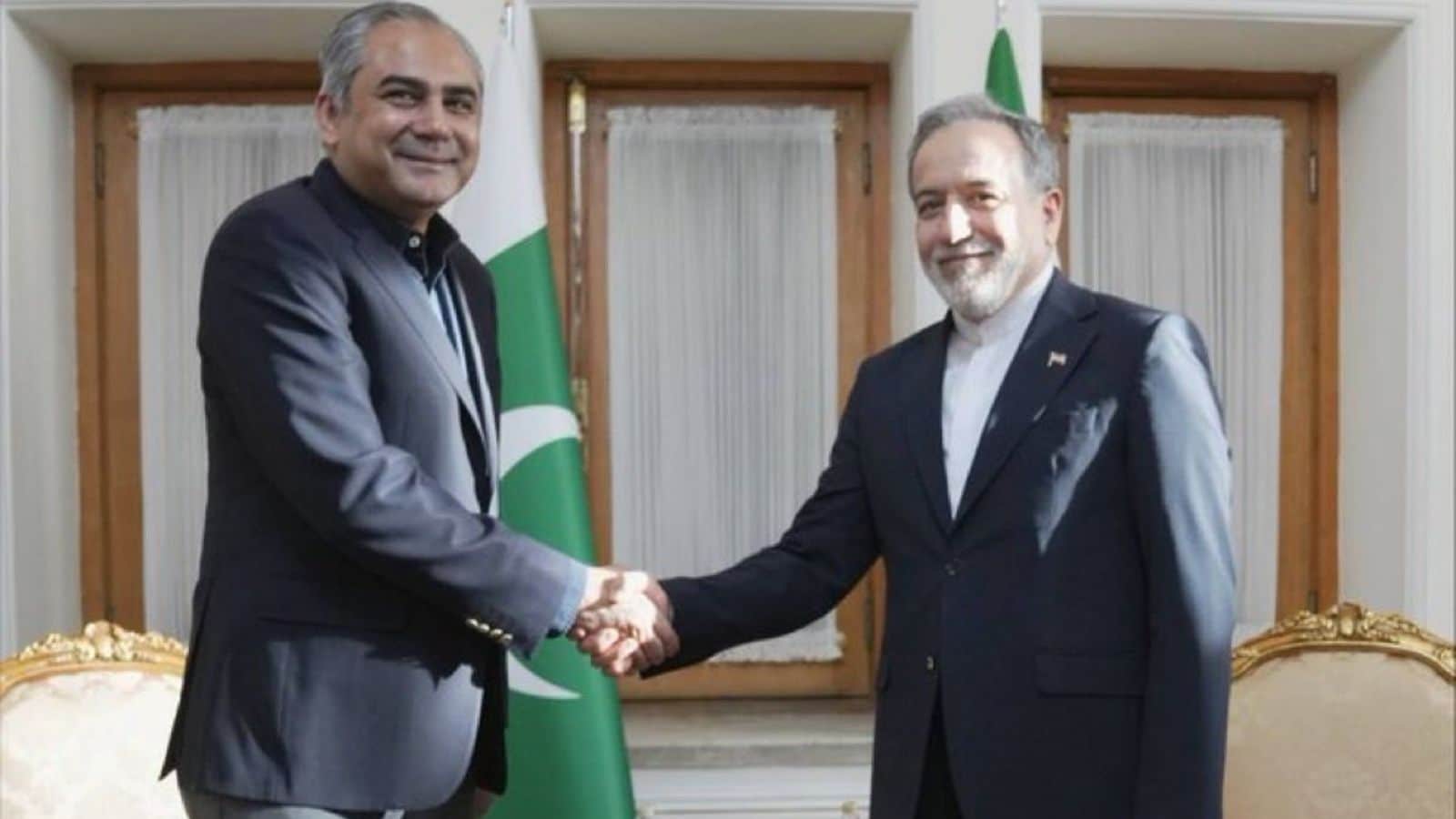
Pakistan's intense shuttle diplomacy to rescue stalled negotiations between the United States and Iran is not just a diplomatic vanity project. It is a desperate bid to stabilize a fractured energy corridor and keep regional skirmishes from exploding into a full-blown economic catastrophe. When Interior Minister Mohsin Naqvi flew into Tehran for high-level meetings with President Masoud Pezeshkian, he carried a heavy message: the fragile ceasefires brokered earlier this year are cracking under the weight of deep-seated mutual distrust.
Why the Initial Momentum Flatlined
Back in April, the Islamabad Talks brought high-ranking officials to the negotiating table for marathon sessions. Those historic meetings produced a framework, and subsequent remote signatures in June established a temporary memorandum of understanding.
Then reality hit.
Washington complained that Iranian leadership started backtracking on enrichment stock commitments. Meanwhile, Tehran pointed straight at contradictory messaging coming out of the White House, arguing that you simply cannot negotiate with a partner holding a loaded gun to your head. Iranian Foreign Minister Abbas Araghchi put it bluntly in interviews, stating that trust in American intentions is non-existent.
When President Donald Trump returned from trips emphasizing coercive economic pressure while tossing out conditional ideas like a twenty-year uranium enrichment suspension, the gap between what Tehran wants and what Washington demands widened again.
The Cost of Failure in the Strait of Hormuz
You might wonder why Islamabad cares so much about what happens thousands of miles away from its immediate borders. The answer is painfully simple.
- Global energy shipments rely heavily on maritime traffic moving through the Strait of Hormuz.
- Prolonged blockades and localized military exchanges shred international supply chains.
- Regional instability directly impacts Pakistan's own economic security and border stability.
When shipping lanes choke, inflation spikes everywhere. Pakistan’s role as an active mediator—backed quietly by regional players like Uzbekistan and other neighboring states—stems from a very real fear of spillover effects. If the peace framework completely collapses, the subsequent escalation risks closing down key transit routes permanently.
What Happens Next on the Ground
Diplomatic sources indicate that despite public Posturing, technical-level channels are still ticking behind the scenes. Pakistan is trying to offset potential spoilers by keeping direct and indirect communication lines propped open.
Yet, optimism remains fragile. Past agreements broke down because neither side trusted the other to stick to verification protocols. Until concrete enforcement mechanisms are hammered out, these diplomatic rescue missions will keep walking a razor-thin tightrope.
Islamabad is pushing for a finalized, electronic signing process to lock down compliance before talks stall out completely. Whether Washington and Tehran bite depends entirely on whether they hate the alternative more than they hate each other.