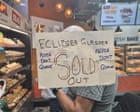
Secret WhatsApp chat groups pinging with coordinates. Makeshift street stalls charging triple digits. Queues wrapping around local corner shops before dawn. If you tried to source a pair of certified solar eclipse glasses ahead of the massive celestial event sweeping across western Europe and beyond, you already know it felt less like retail shopping and more like an underground ticket syndicate.
When the moon sweeps directly between the Earth and the sun, millions scramble for a front-row seat. But a breathtaking astronomical phenomenon brings out a very specific kind of modern panic. High street shelves emptied days in advance, leaving everyday stargazers at the mercy of opportunistic scalpers, late-night courier drops, and frantic internet message boards.
Here is what actually happened during the great specs scramble, why people lost their minds over simple paper cardboard filters, and how you can outsmart the hype next time the cosmos decides to put on a show.
The Anatomy of a High Street Shortage
Every major celestial event catches supply chains flat-footed. Retailers treat safety optics like seasonal novelty items rather than critical scientific instruments. Months before the moon blocked out up to 96% of the sun across parts of the UK and threw total shadow across pockets of Spain and Iceland, the writing was on the wall. Astronomers issued warnings. Space agencies published safety guidelines.
Yet, millions of people waited until forty-eight hours before first contact to look for eyewear.
Standard sunglasses will not cut it. Staring at an active solar disk without ISO 12312-2 certified filters invites immediate, permanent retinal damage. People know this. That medical reality turns standard paper frames into hot commodities. Once high street inventory dried up completely, a parallel black market took over overnight.
Underground Drops and Inflation Madness
If you walked past Whitechapel tube station or checked regional community threads, you saw free-market capitalism operating at its absolute most chaotic.
Basic protective cardboard viewers that normally retail for about five pounds suddenly commanded ten, fifteen, or twenty pounds a pair from street vendors working out of backpacks. Private messaging apps turned into tactical command centers. Group administrators posted cryptic location alerts for minute-by-minute inventory arrivals at local newsagents, prompting drivers to cross entire cities on a gamble.
Some local shop owners caught in the crossfire faced intense customer backlash when shipments fell short. Tempers flared in crowded lines as buyers realized that a worldwide manufacturing bottleneck could not be solved by shouting at a cashier behind a plexiglass counter.
The Safety Risks of Panic Buying
Desperation breeds counterfeits. When genuine ISO-certified filters vanish from legitimate outlets, cheap knockoffs flood online marketplaces. Scammers take advantage of consumer ignorance by selling dark-tinted plastic or unrated novelty glasses that look convincing to an untrained eye but fail to block dangerous infrared and ultraviolet radiation.
Buying unverified eyewear off random auction sites to save a few bucks is a terrible trade-off when your eyesight is on the line. If a pair of specs does not explicitly list the proper international safety standard certification, throw them in the trash. No photo is worth burning your macula.
Smarter Ways to Watch When Supplies Vanish
If you find yourself stranded without certified glasses during a major celestial alignment, do not panic and do not risk looking up unprotected. Physics offers reliable low-tech alternatives that cost nothing.
Pinholes remain undefeated. Grab a piece of stiff cardboard, punch a clean, small hole in it with a pin or paperclip, and let the sun project an inverted image of the partial eclipse onto the ground or a piece of white paper behind you. You can even use a household kitchen colander or interlace your fingers loosely to create dozens of tiny natural projection points on the pavement.
Looking Ahead to Future Eclipses
The absolute frenzy over cardboard filters highlights a broader human trait. We love rare events, but we are consistently terrible at planning for them.
Next time a shadow sweeps across the globe, ignore the last-minute high street rush. Order your certified viewers months ahead of time directly from reputable astronomical supply houses before the mainstream media cycle kicks into gear. Keep them in a drawer, protect them from scratches, and let everyone else run around chasing midnight WhatsApp notifications while you enjoy the sky in peace.