Diplomatic spats between India and Pakistan usually follow a predictable script. Border tensions, cricket boycotts, or fiery speeches at the United Nations are the norm. But a bizarre row over a newly instituted environmental award in Seychelles has triggered an astonishingly blunt war of words.
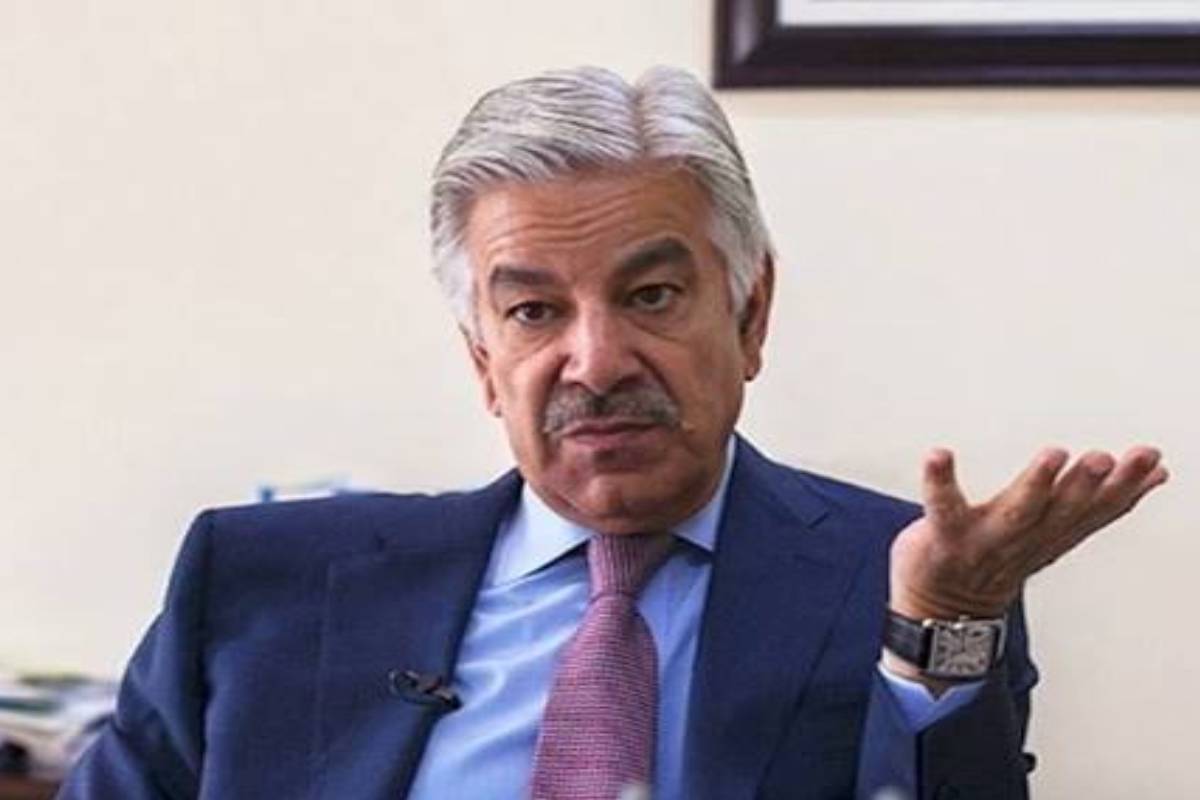
New Delhi threw out the diplomatic playbook by openly calling Pakistan Defence Minister Khawaja Asif mentally unstable.
It's a harsh escalation. But how did a peaceful island nation's recognition of green leadership turn into a toxic geopolitical brawl?
The Spark That Ignited the Row
Prime Minister Narendra Modi recently wrapped up a visit to Seychelles. During the trip, President Patrick Herminie presented him with the Guardian of the Blue Horizon Presidential Distinction.
The honor recognises commitment to environmental conservation and advancing the aspirations of Small Island Developing States. Modi became the first recipient under Seychelles' newly revamped national honours system. He dedicated it to all nations fighting climate change.
Then came the British newspaper report.
A story published by The Guardian questioned the timing and preparation of the award. Critics pounced on a working draft of the certificate shared online that contained obvious spelling errors. It misspelled "Republic" as "repubblic" and "Seychelles" as "Seycheeles".
Digital analysts also alleged the certificate layout looked AI-generated. The report claimed the award was instituted a mere three days before Modi landed.
How Pakistan Tried to Weaponize the Controversy
The opposition Congress party in India quickly used the report to mock the Prime Minister. But across the border, Pakistani ministers saw an opportunity for a massive PR strike.
Information Minister Attaullah Tarar and Defence Minister Khawaja Asif took to X to bash the Indian premier. Asif called the episode "the most embarrassing story ever" and accused Modi of chasing manufactured prestige and cheap popularity. He claimed the engineered recognition put the entire Indian nation to shame.
Tarar chimed in, saying image management becomes an embarrassment when foreign awards are created days before a official visit.
The Indian Counterattack
New Delhi didn't just issue a standard bureaucratic rejection. Government sources hit back with uncharacteristic aggression.
They slammed Khawaja Asif directly, stating he has no day job and passes time by making silly comments on matters of which he has little knowledge.
"That he could be entrusted with his current responsibility says much about today's Pakistan," Indian government sources stated. "Envy is always a bad motivation, particularly so from someone steeped in hate speech."
✨ Don't miss: insults that start with k
Indian officials also pointed out that this isn't the first time Asif's mental state has been questioned by foreign governments. In late 2025, Afghanistan's Taliban-led administration openly called Asif mentally ill after he threatened military strikes inside Afghan territory.
The Damage Control from Seychelles
The entire Pakistani narrative collapsed when the Seychelles government intervened.
The Seychelles Foreign Ministry issued an official clarification regarding the online drama. They admitted that a flawed working draft had been mistakenly circulated in the digital rush. However, they confirmed an authentic, duly approved version was officially handed over.
They stated clearly that the Guardian of the Blue Horizon distinction is fully genuine.
The Reality of Modern Diplomatic Awards
Let's look at how global diplomacy actually functions. Nations frequently revamp their honors systems or introduce new medals right before a high-profile state visit. It is standard statecraft.
When Israel's parliament introduced the Medal of the Knesset right before a prime ministerial visit, or when global bodies present leadership awards, it serves to cement bilateral ties. It isn't a conspiracy. It's international relations 101.
By hyper-focusing on a clerical typo, Islamabad tried to undermine India's growing footprint in the Indian Ocean Region. Instead, they forced Seychelles to publicly defend its sovereign decisions, alienating a key island democracy in the process.
What Happens Next
If you're tracking South Asian geopolitics, don't expect an apology from either side. This verbal brawl shows how fragile regional communication has become.
For observers and analysts, the takeaway is simple. Verify the official state responses before reacting to leaked social media drafts. Pakistan's rush to turn a typo into a diplomatic victory resulted in a severe, highly public reprimand from New Delhi.