Muscat didn't want a fight with Washington, and it definitely didn't want to play along with Tehran's posturing.
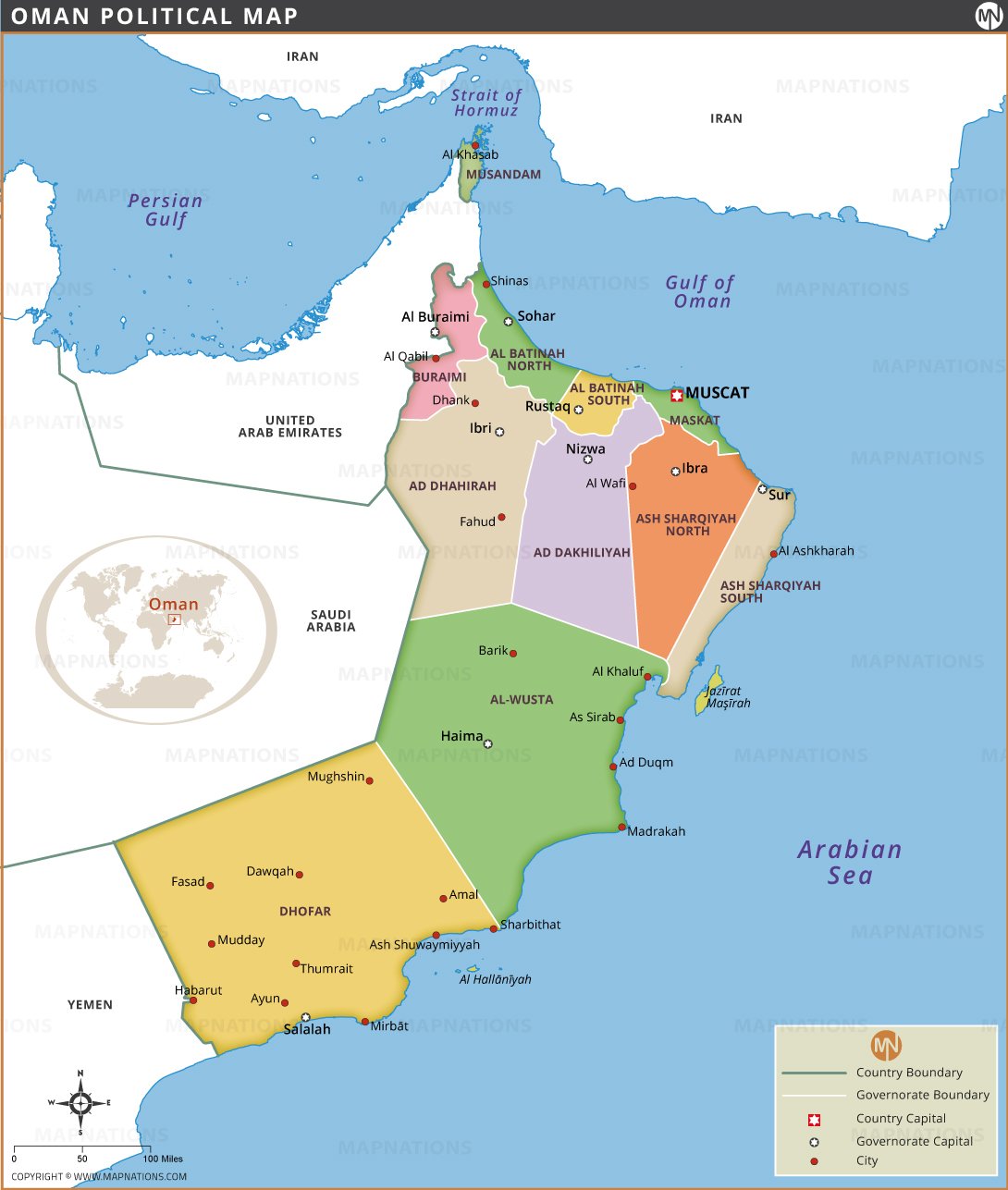
Oman has quietly turned down a push from Iran to jointly levy service fees on commercial vessels moving through the Strait of Hormuz. The rejection completely undermines a flashy announcement made by Iran's Islamic Revolutionary Guard Corps (IRGC), which claimed an agreement was wrapped up following high-level diplomatic talks. Don't miss our previous coverage on this related article.
If you look past the headlines, this standoff tells you everything you need to know about how regional players are navigating the current US-Iran military flashpoint.
What Actually Happened Behind Closed Doors
Iranian Foreign Minister Abbas Araqchi and Omani Foreign Minister Sayyid Badr Albusaidi met in Tehran to discuss the critical shipping lane. Hours after that conversation, IRGC spokesman Hossein Mohebbi told state media that deals had been struck regarding watershares and revenue splits for the waterway. If you want more about the context here, The Guardian offers an informative breakdown.
It was classic public relations overreach.
According to regional sources, the IRGC jumped the gun. The terms weren't finalized. More importantly, Oman’s leadership had no intention of signing off on a scheme that would act as a de facto tolling system for international tankers.
Muscat values its reputation as a skilled Middle Eastern mediator. They broker cease-fires, host nuclear talks, and maintain functional ties with Washington and Tehran. Slapping fees on commercial cargo under Iranian pressure would have shattered that delicate diplomatic balance overnight.
The Washington Factor and Trump's Threats
You can't talk about the Strait of Hormuz without looking at the United States. President Donald Trump made his stance crystal clear, dropping blunt warnings about what would happen if the Sultanate cooperated with Iran's tolling ambitions. Trump explicitly threatened severe military retaliation if Oman got in the way of regional maritime security.
With a reimposed US naval blockade actively squeezing Iran, any revenue-sharing or toll agreement would be dead on arrival without American clearance. Muscat recognized the danger immediately. Agreeing to Iran's demands would turn a critical transit lane into a direct battleground with the White House.
Why the Strait of Hormuz Remains a Global Flashpoint
The Strait of Hormuz isn't just another shipping lane. Roughly a fifth of the world's petroleum passes through this narrow maritime choke point. When tensions spike here, global energy markets panic.
Iran routinely tests the limits of international law in the Gulf, attempting to establish post-war frameworks that grant Tehran extended control over regional logistics. Charging for "environmental and security services" was a creative backdoor attempt to legitimize authority over waters that are legally designated for international transit passage.
By pulling back from the proposal, Oman signaled that regional coercion has its limits. Tehran can issue statements through the IRGC all it wants, but neighboring states aren't willing to risk their own security architecture or invite foreign airstrikes to validate domestic propaganda.
Watch how Iran pivots next. When public claims fall apart under diplomatic reality, the pressure usually shifts back to the water. Protect your supply chains, monitor insurance premia closely, and don't take IRGC announcements at face value.