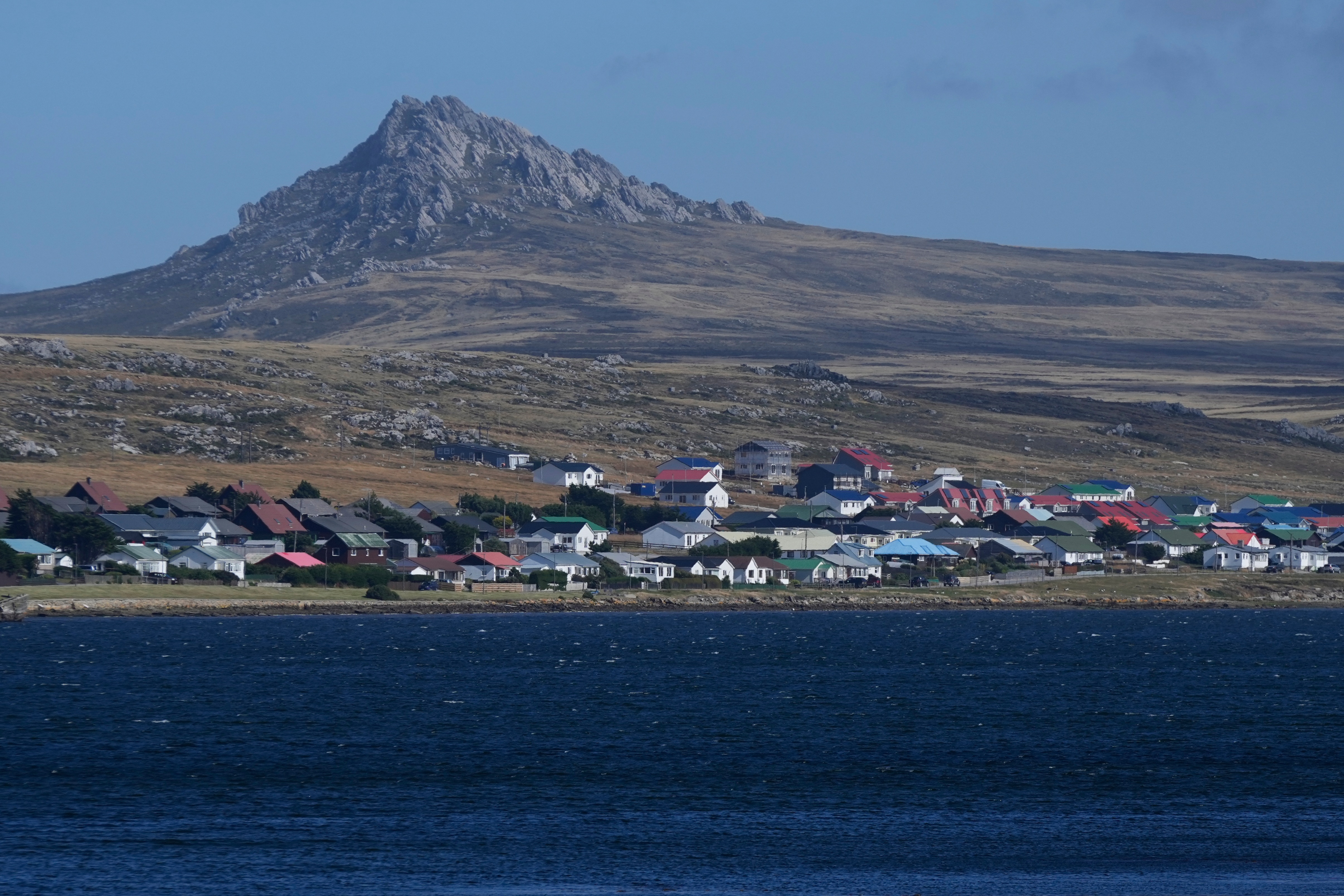
Javier Milei doesn't care about Thatcher anymore. He cares about 1.7 billion barrels of oil and a sinking domestic poll number.
When Argentina's libertarian president stood before national television cameras to declare that "winds of change" favor Buenos Aires in the South Atlantic, he wasn't just recycling 19th-century maps of the Malvinas. He was reacting to a very modern financial panic: Rockhopper Exploration and Navitas Petroleum marching closer to drilling the North Falkland Basin’s Sea Lion field.
Stock markets noticed. Rockhopper dropped roughly 10% in a single morning. Navitas slipped over 4.5%.
And Donald Trump—irritated that London didn't dispatch ships for Washington's Iran-related postures—offered a casual, transactional "I always review every position." Milei turned that shrug into a strategic doctrine.
Why the Falklands Oil Reality is Different This Time
For decades, the South Atlantic sovereignty dispute felt like diplomatic theater. Argentina argued Spain's 1833 inheritance; Britain pointed to a 99.8% referendum vote where islanders rejected Argentine rule; Washington played polite neutral referee.
Deep-water commercial extraction changes the math. Sea Lion sits roughly 220 kilometers north of the archipelago. Capital expenditure gets locked in, cash flows materialize, and local autonomy shifts from subsidized outpost to self-funding energy hub.
Milei labeled the project illegal under UN non-unilateral action frameworks. Buenos Aires initiated legal proceedings targeting 45 hydrocarbon-linked entities, prompting service giants Schlumberger, Halliburton, and Baker Hughes to distance themselves publicly from the block.
The Domestic Survival Trap
Let's be honest about Milei's political calculus.
He spent two years cozying up to London, praising Thatcher, and prioritizing orthodox fiscal austerity over nationalist chest-beating. Domestic populist critics hammered him for abandoning the archipelago.
Inflation fatigue hurts. Real wages bruise households. When you need a distraction that costs zero fiscal bullets while projecting sovereign testosterone, you talk about the South Atlantic.
He didn't announce amphibious landings. He announced administrative investigations, naval base funding in Tierra del Fuego, and shareholder restrictions. It's low-risk grievance export with high domestic media mileage.
What London and Washington Actually Calculate
Britain's Wes Streeting called the address domestic political theater. London’s defense stance remains unshakeable because British political survival requires treating island self-determination as non-negotiable bedrock. If a Labour-led or conservative UK government flinched on Falklands residency rights, domestic fallout would shred their credibility overnight.
Washington's angle is pure transactional leverage. A leaked Pentagon memo earlier in 2026 flagged Falklands neutrality reviews as a punitive stick for NATO slackers. Trump uses sovereignty stances like parking meter coins—insert them when allies lag on defense spending or naval deployments, pocket them when convenient.
The Real Risks for Energy Investors
If you're tracking offshore South Atlantic equities, stop looking at flags and start tracking regulatory compliance friction.
- Service tier pullouts: Tier-1 oilfield service providers won't risk freezing Latin American asset footprints or secondary compliance gray zones for a mid-tier North Falkland appraisal phase.
- Financing contagion: Insurance syndicates hate multi-jurisdictional title disputes combined with active executive penal decrees. Cost of capital for non-major operators scaling South Atlantic punchlines spikes fast.
- The 2028 horizon: Actual first oil is slated out near 2028. Long lead times mean political regimes in Buenos Aires, Washington, and London will turn over twice before the first tanker fills.
Milei wants a scalp he can broadcast on X with an acronym celebrating the script. London wants quiet continuity. Washington wants compliance from NATO capitals.
The oil sits under cold water. The rhetoric heats the screen. Don't confuse the noise for an invasion fleet.