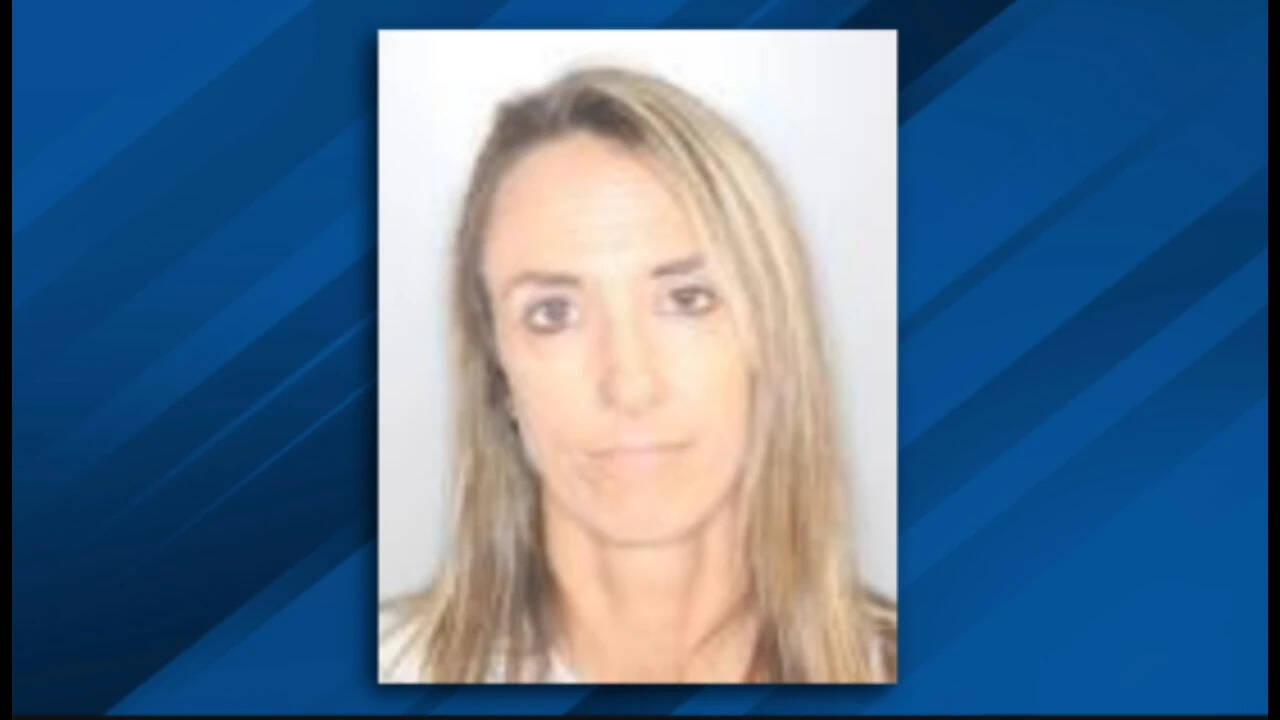
When a law enforcement officer uses public tracking tech to monitor an ex-partner thousands of times, the conversation shifts quickly from bad behavior to broken system safeguards. Laurie Moore, a 13-year veteran investigator with the Albany County Sheriff's Office in New York, allegedly ran more than 4,000 unauthorized queries through automated license plate reader networks. Roughly 3,000 of those searches targeted her former girlfriend's vehicle.
This case isn't just about one rogue investigator abusing her badge. It exposes the terrifying ease with which powerful surveillance tools can be hijacked for personal stalking, raising urgent questions about who watches the watchers.
How the Flock Camera System Was Exploited
The technology at the center of this controversy relies on automated license plate readers (ALPRs), specifically systems built by Flock Safety. These camera networks sit on street corners and highway poles, snapping photos of passing vehicles, logging timestamps, and tracking vehicle movements across municipal lines. Cops use them to locate stolen cars, hunt down suspects, and piece together crime scenes.
Moore's access began around late 2024. Over the following months, investigators discovered she queried five different individuals without any official justification. Alongside the 3,000 checks on her ex-girlfriend, she ran hundreds of searches on four other people and improperly accessed New York Department of Motor Vehicles databases.
She entered fake case numbers and bogus justifications into the system logs. The software accepted the text blindly, proving that basic internal reporting fields are easily bypassed when officers treat database constraints as mere bureaucratic suggestions.
The Alarming Scale of ALPR Abuse Nationwide
If you think this is an isolated incident, look at the wider data. Independent groups like the Institute of Justice track police misuse of automated plate readers across the country, logging hundreds of similar privacy violations. Officers nationwide have routinely used state and federal databases to check out romantic interests, neighbors, or business rivals.
When trusted personnel can pull up real-time location histories without immediate flag triggers, the surveillance state effectively becomes a stalker's best friend. Agencies pitch these tools as public safety necessities, yet they rarely build hard technical blocks to prevent internal snooping until a massive scandal forces their hand.
How Albany County Responded Too Late
Following an outside tip and an internal audit, Albany County Sheriff Craig Apple suspended Moore indefinitely. She now faces criminal charges including official misconduct and second-degree falsifying business records. Another command staff member was placed on administrative leave as the fallout spread through the department.
Sheriff Apple publicly lamented the betrayal, calling Moore one of his best investigators. Yet sympathy for an individual employee misses the institutional failure. Only after the 4,000 unauthorized searches came to light did the department change its internal policy.
Under the new rules, rank-and-file staff are entirely cut off from direct Flock database access. Now, searches require supervisor approval and mandatory internal affairs audits every thirty days, tied strictly to verifiable active case files.
What Needs to Change Right Now
If law enforcement agencies want to retain public trust in automated surveillance, policy tweaks after a disaster aren't enough. Technical guardrails must be baked into the software from day one.
- Automated Anomaly Detection: Systems should flag repetitive searches of the same license plate or queries originating outside an officer's assigned jurisdiction immediately, rather than waiting for an external whistleblower.
- Mandatory External Oversight: Internal affairs units auditing themselves too often shield bad actors until the damage is irreversible. Independent civilian oversight boards should review high-volume database queries.
- Stricter Penalties: Misusing state surveillance tools to stalk private citizens should carry severe felony consequences rather than light misdemeanor charges.
Until departments treat data privacy with the same urgency they apply to street patrols, stories like this will keep repeating across the country. Check your local municipal policies regarding automated license plate readers, and demand that your local representatives implement real-time automated audits before another abuse of power goes unnoticed for years.