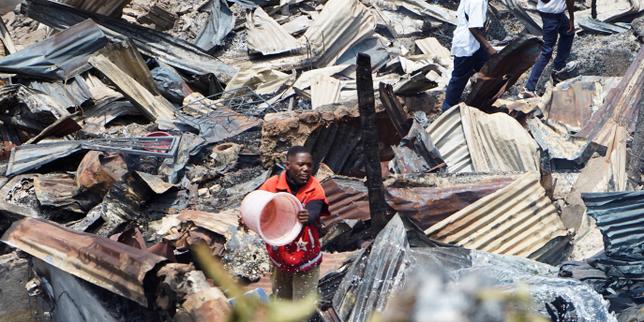
When a raging fire tore through a neighborhood in Bukavu on September 10, 2026, it didn't just reduce homes to ash. It exposed a terrifying reality for children trying to get an education in eastern Democratic Republic of Congo. At least fourteen schoolchildren—some sources place the toll even higher—lost their lives in the ensuing panic and chaos.
People want to look away. They want to call it a tragic accident and move on. But you cannot understand this disaster without looking at the severe infrastructure crisis plaguing urban centers like Bukavu, where chronic overcrowding, fragile housing, and an absence of basic safety regulations turn everyday mishaps into mass casualty events.
The Anatomy of a Disaster in Bukavu
The fire didn't start in a vacuum. Sparking from a residential structure, the flames rapidly consumed nearby school facilities while classes were in session. Because many schools in the region are shoehorned into densely packed neighborhoods with poorly spaced buildings, narrow alleyways, and zero emergency exits, a single spark becomes an immediate death trap.
When the fire broke out, terror took over. The children tried to flee, leading to a lethal stampede. Most of the victims were young children under ten years old. They never stood a chance against a wall of panic inside cramped corridors.
"Every school term in eastern Congo begins with an unspoken gamble. Parents send their kids off, hoping the building holds, the neighborhood stays calm, and disaster passes them by."
Beyond the Flames: A Fragile Reality
It's easy to blame the fire alone, but local housing density is the real ticking clock. Reports from community leaders indicated that hundreds of surrounding homes were also destroyed, leaving entire families utterly destitute alongside the grieving parents of the students.
When disaster strikes a city already burdened by severe security strains and infrastructural strain, emergency response systems buckle instantly. Fire trucks are scarce. Water pressure is unreliable. Rescue operations rely almost entirely on neighbors grabbing buckets and trying to beat back the flames by hand.
Why Urban Planning Matters for Education
We talk endlessly about school enrollment numbers, teacher salaries, and curriculum updates. We rarely talk about fire codes.
In crowded urban zones across the region, structural safety is treated as an afterthought. Buildings go up fast and close together because land is scarce and poverty forces high density. Without strict municipal oversight, zoning laws, or mandatory fire drills, schools operate on borrowed time.
Fixing this isn't just about handing out aid after the smoke clears. It requires a hard look at how cities expand.
- Enforce minimum distance requirements between residential housing and educational facilities.
- Mandate secondary escape routes in every multi-story or high-density school building.
- Train school staff and students in evacuation protocols before emergencies happen.
Until local authorities mandate structural safety standards that go beyond paper promises, classrooms across eastern Congo remain vulnerable. The children of Bukavu deserved a secure place to learn. Instead, they inherited the consequences of systemic neglect.