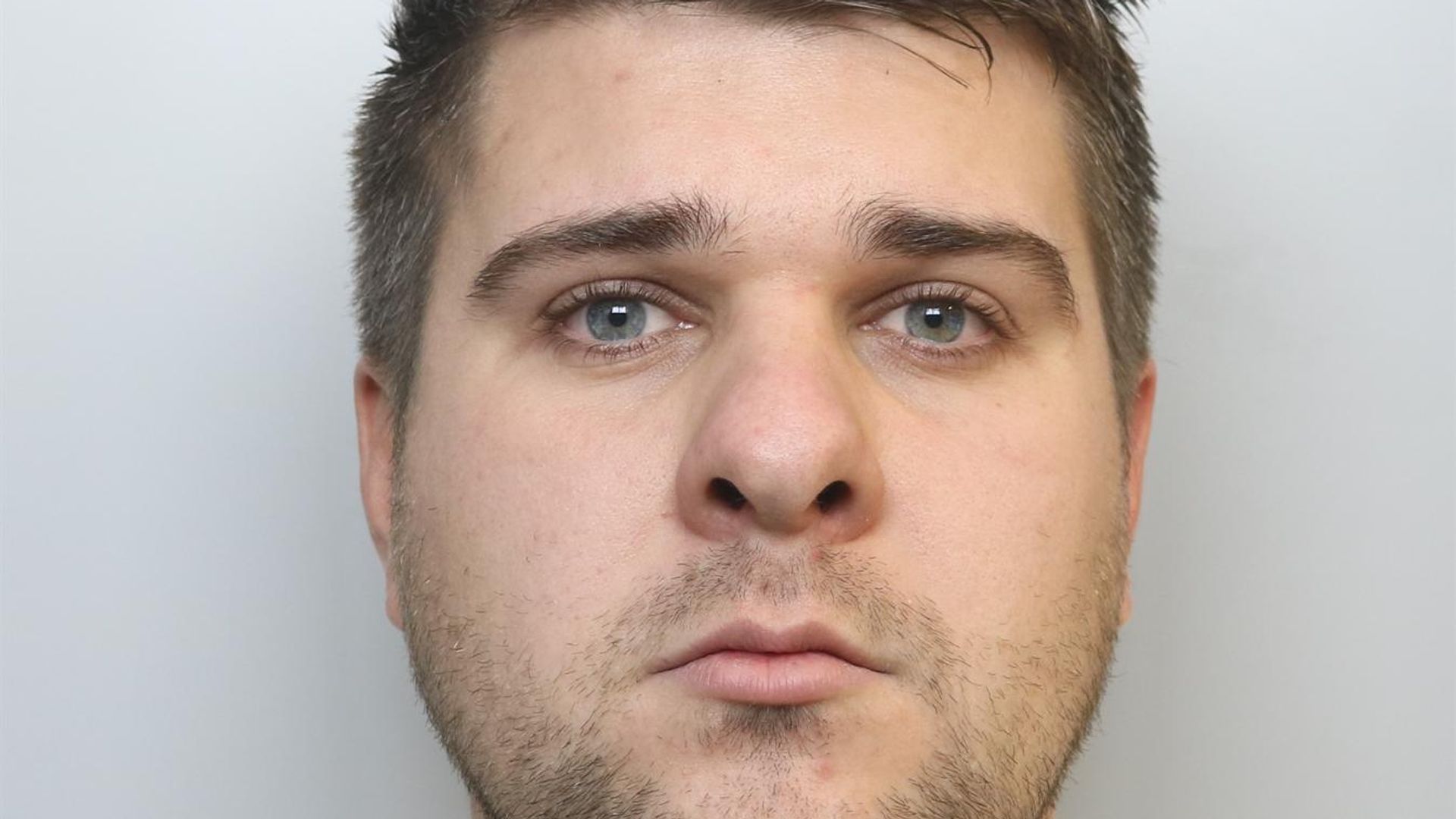
We all want to believe the best in people. That’s why dating apps like Tinder are so dangerous. They don't just facilitate romantic connections; they provide a low-friction playground for predators. Joseph Gibson, a 35-year-old from Wales, just learned this the hard way—or rather, he taught four people a brutal lesson in human nature. He’s been sentenced to three years and two months in prison for a series of frauds that prove just how far a convincing liar can get by mirroring your deepest sympathies and your wildest fantasies.
Gibson didn't just ask for money. He built a digital mythology. He claimed to be a former member of the Special Boat Service, a multi-millionaire worth £400 million, and a cancer patient fighting for his life. He wasn't any of these things. He was a guy behind a screen, exploiting people's trust to empty their savings. Don't forget to check out our earlier post on this related article.
The anatomy of the Tinder trap
Gibson’s strategy was simple but devastatingly effective. He used a technique often seen in high-level confidence games: radical vulnerability paired with a display of extreme, "exclusive" wealth. By acting like he had everything, he made himself seem like a safe "investment" or a partner you’d be lucky to have.
He didn't just say he was rich. He flooded his victims with "evidence." He claimed to own a fleet of superyachts, helicopters, and properties in locations like Dubai, Singapore, and Mayfair. He even went as far as modeling his persona on fictional characters, specifically the "Mr. Grey" archetype from Fifty Shades of Grey. It sounds ridiculous in hindsight, but when you're being love-bombed, your brain ignores the red flags. To read more about the context of this, USA Today offers an informative breakdown.
The most disturbing part was his use of cancer to weaponize sympathy. He sent photos of himself appearing to be in a hospital bed. He messaged victims about radio therapy and health scares. He wasn't just stealing money; he was stealing the victims' capacity for empathy.
Why victims fall for the "miracle" lie
You might wonder how anyone hands over their life savings to someone they barely know. It’s not stupidity. It’s psychological exploitation. Gibson identified people with resources, then created a sense of urgency.
- The Investment Hook: He convinced one woman he could turn £10,000 into £150,000. He sold her on the fantasy of being an "insider" to his high-stakes trading.
- The Emotional Emergency: By claiming he had cancer, he made money seem like a matter of life and death. When you believe someone is dying, you don’t ask for tax documents or secondary verification. You just help.
One victim was left with 93p in her bank account. Another was pushed into an individual voluntary agreement to manage the debt he left her in. These aren't just financial losses; they're life-altering events.
Red flags you cannot afford to ignore
If you're using dating apps, you have to be your own private investigator. If you don't do it, nobody else will.
- The "Exclusive" Secret: If they tell you they are insanely rich but ask you for a small loan or investment help, run. Billionaires don’t use Tinder to find people to help them move money around. Ever.
- The Constant Crisis: Someone who is always in the hospital, always dealing with a legal issue, or always needing "urgent" funds is a red flag. Real life is rarely that dramatic.
- The "Special Forces" Cliché: It’s a common trope for a reason. It sounds impressive, it’s hard to verify, and it gives the predator an excuse for why they can’t show you their workplace or bring you to their "base."
Protect your assets
Trust is earned, not given. Before you share your bank details or send a single penny, do these three things:
- Verify the identity: Use a reverse image search on any photos they send. If they claim
Why Serial Fraudsters Get Away With Cancer Scams For Years
news
Lying about having cancer takes a special kind of cruelty. People who pull off these cons don't just steal money. They weaponize human empathy, forcing their victims to watch a fictional slow death while picking their pockets.
A recent court case exposed a serial fraudster who squeezed money out of people by pretending he was fighting terminal cancer and boasting about a heroic past in the special forces. When the truth finally came out, the scale of the manipulation shocked even seasoned investigators.
We need to talk about why these scams succeed. Empathy is a vulnerability. Con artists know this. They exploit the exact social norms that keep polite society functioning. If someone tells you they are dying, your first instinct isn't to demand medical records. Your instinct is to offer comfort, support, and financial help if they need it.
Fraudsters bank on your politeness. They know you'll feel guilty for doubting them.
The Playbook of a Cancer Faker
Fake illness scams follow a terrifyingly predictable script. If you understand the patterns, you can spot the red flags before your bank account takes a hit.
First, they isolate you. The story usually involves rare treatments, experimental trials abroad, or secret military missions that prevent them from talking to mutual acquaintances. They build an airtight bubble around the lie.
Second, they manufacture constant crises. Just when you think life is stabilizing for them, a new emergency pops up. Rent is due. Medication costs skyrocketed. A sudden hospital admission requires an immediate wire transfer. They keep you in a state of emotional panic. People under stress make terrible auditors.
Third, they refuse standard verification. Real friends facing hardship accept meals, rides, and community help. Con artists pushing cancer narratives usually want cash, gift cards, or direct bank transfers. They make excuses why you can't visit them in the hospital or speak to their doctor.
Why Special Forces Claims Always Follow
Mixing a fake cancer diagnosis with fabricated elite military service is a classic psychological power move. It hits two emotional buttons at once: intense pity and deep patriotic awe.
When a fraudster claims they served in the special forces, they are building a shield of perceived toughness. They frame their financial distress not as weakness, but as a bureaucratic failure by the government or the military. They play the hero who was abandoned by the system.
It makes questioning them feel like an act of betrayal. You aren't just doubting a sick person. You are doubting a war hero. That psychological barrier stops many victims from going to the police much sooner.
How to Protect Your Money and Your Peace
Spotting a con artist requires hardening your boundaries. You don't have to become a cynical monster, but you do need basic financial hygiene.
Stop funding medical treatments directly into personal accounts. If someone genuinely needs help with medical bills, offer to pay the provider or hospital directly. Watch how fast their story changes. Real people dealing with medical debt will happily accept direct payments. Fraudsters want cash they can spend on whatever they want.
Verify the unverifyable. Military records and medical diagnoses are private, but if someone is asking for thousands of dollars based on those claims, asking for proof is entirely reasonable. If they accuse you of lacking empathy or trust, walk away. Healthy relationships survive tough questions. Scams shatter under them.
Trust your gut when something feels off. If the timeline doesn't make sense, or the drama is relentless, step back. Protect your wallet first and let the authorities handle the rest.