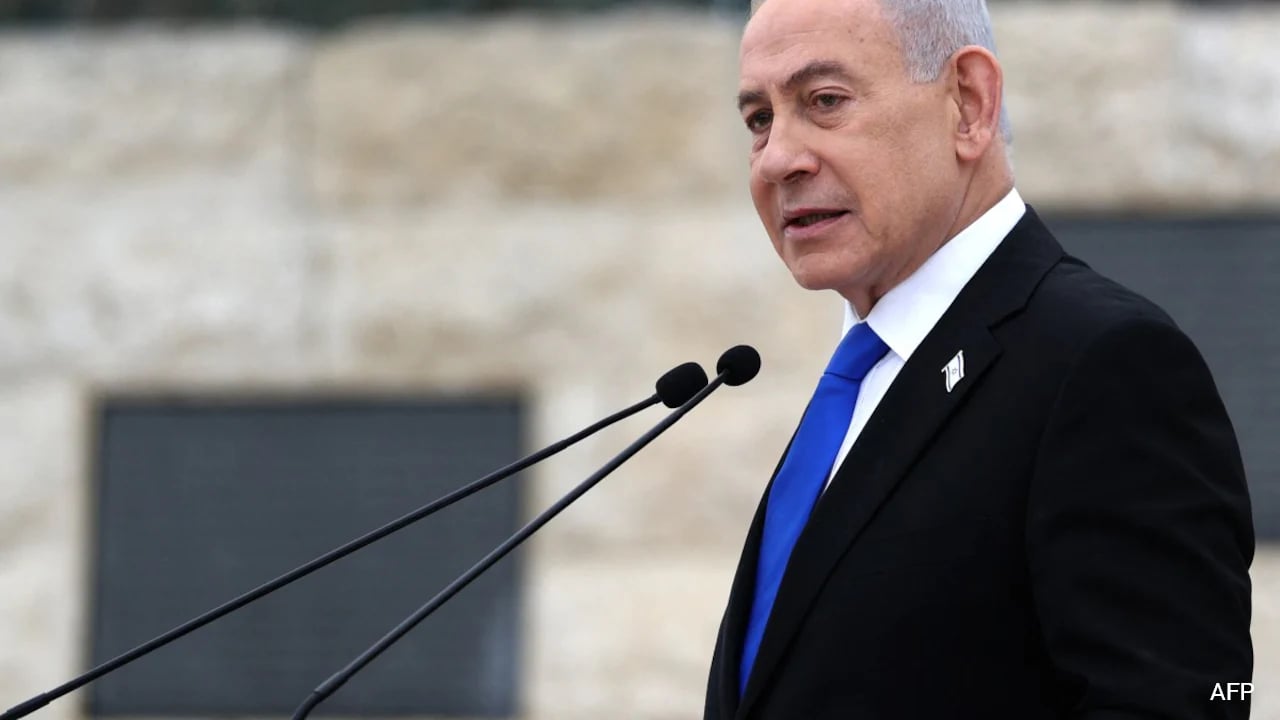
Don't buy into the idea that a signed paper guarantees peace in the Middle East. Just days after Israel, Lebanon, and the United States signed a U.S.-brokered framework agreement, Israeli Prime Minister Benjamin Netanyahu stood in south Lebanon to deliver a reality check. His message was blunt. Israeli troops aren't going anywhere as long as armed Hezbollah fighters stand on the other side of the line.
If you're trying to understand what's actually happening on the ground versus what gets announced in Washington, look directly at the geography. Israeli forces currently occupy a security zone pushing about 10 kilometers inside Lebanese territory. Netanyahu visited these exact frontline positions on Tuesday alongside Defense Minister Israel Katz. He didn't sound like a leader preparing for a quick exit. Instead, he gave soldiers an ironclad directive to strike immediately at any perceived threat.
The reality is that this newly signed June 26 framework creates a massive catch-22 that could keep the Israeli military in Lebanon for a very long time.
The disarmament trap holding troops in place
The core problem with the new deal is its sequencing. The 14-point framework says Israel will withdraw its forces, but only after the Lebanese government disarms Hezbollah.
It sounds great on paper. In practice, it's a mess. Hezbollah leader Naim Kassem quickly rejected the agreement, calling it a humiliation and warning it could spark a civil war. Expecting the weak Lebanese Armed Forces to step in and forcibly disarm a heavily equipped militia is wishful thinking. Netanyahu knows this, and his defense minister openly stated he doesn't expect the Lebanese army to magically turn into lions.
Look at what Israel says it has accomplished since Hezbollah entered the conflict on March 2. Netanyahu claims his military eliminated 9,000 Hezbollah fighters and wiped out 92% of the group's massive stockpile of 150,000 rockets. Yet, even with only 8% of its arsenal remaining, Hezbollah still has thousands of weapons and deep underground networks, like the drone assembly factory Israeli troops recently uncovered.
Israel's Estimated Damage to Hezbollah (As of Mid-2026)
- Pre-war Rocket Stockpile: 150,000
- Remaining Stockpile: 8% (Approx. 12,000 rockets)
- Hezbollah Fighters Killed: 9,000
Why the pilot zones might fail
The treaty sets up small pilot zones where Israeli troops withdraw and hand control to the Lebanese army. It's supposed to be a trial run for a broader peace. But the plan is already fracturing.
While political leaders talk about transitions, the daily reality is defined by ongoing violence. A Lebanese state media report noted an Israeli strike between Qantara and Deir Seryan right inside the zone, while the IDF confirmed it killed a Hezbollah operative spotted near the village of Manzleh. Israel calls these actions necessary threat removals. Hezbollah calls them flagrant ceasefire violations.
With more than 4,200 people killed in Lebanon and a million displaced since March, trust doesn't exist. Netanyahu is leveraging his military advantage to pressure Iran and its proxies, calling the current situation a direct punch in the face to the Iranian axis. He has zero political incentive to pull back and risk letting Hezbollah re-arm.
What happens next on the ground
If you're watching this situation unfold, ignore the sweeping statements about permanent peace and watch these specific indicators instead:
- The Pilot Zone Handover: Watch the first official territorial transfer. If the Lebanese army fails to keep Hezbollah out of these initial pockets, the entire withdrawal schedule will freeze.
- The UNIFIL Debate: The UN wants to extend its peacekeeping mandate at the end of the year, but Israel wants them gone, arguing the UN completely failed to stop Hezbollah's original military buildup.
- The Local Backlash in Beirut: Watch how much political chaos Hezbollah creates inside Lebanon. If protests turn violent, the Lebanese government won't have the bandwidth or the nerve to enforce disarmament.
The diplomatic framework exists, but Netanyahu made it clear that military logic trumps political timelines. Expect the Israeli army to hold its positions in southern Lebanon for the foreseeable future.