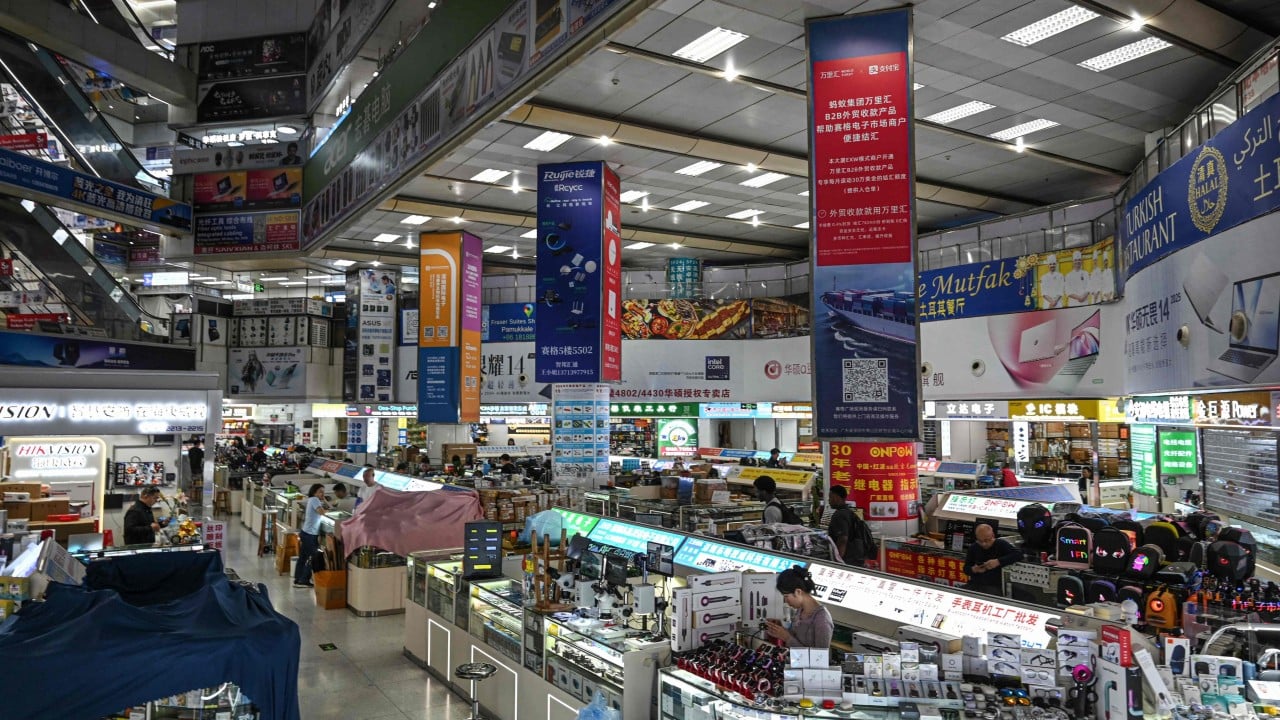
If you walk down the neon-lit aisles of Huaqiangbei, the massive electronics market in Shenzhen, the mood is tense. For years, this sprawling hub has been the go-to place for cheap DIY gaming rigs, custom servers, and wholesale tech parts. But recently, a sudden shift in the supply chain has hit vendors and everyday buyers hard. The cost of key memory products has jumped drastically, with some prices multiplying up to fivefold over the past year.
The culprit isn't a factory fire or a shipping bottleneck. It's the insatiable demand from the artificial intelligence boom. Tech giants are buying up memory chips by the truckload to build AI servers, leaving the consumer market starved for parts.
If you are planning to upgrade your PC or buy a new laptop, you are directly paying the price for this shift.
The AI Server Gold Rush vs Everyday Consumers
The mechanics behind this squeeze are simple. The high-performance hardware needed to run next-generation AI models requires massive amounts of advanced memory. Major manufacturers like Samsung, SK Hynix, and Micron have shifted their production lines to focus heavily on these high-margin enterprise products.
This pivot has left standard consumer components—like the DDR4 and DDR5 RAM sticks you put in a desktop PC—in short supply. Small-scale computer builders and repair shops are feeling the heat. Vendors in Shenzhen who used to survive on tight margins are being forced to pass these skyrocketing costs directly onto their customers.
The price spike has dramatically changed buying habits. Gamers and corporate clients who used to upgrade their hardware every couple of years are holding back. Only those with an urgent, undeniable need for a new computer are actually pulling out their wallets. For everyone else, the premium is simply too high.
The Knock-On Effect on Mobile Devices
This problem isn't confined to desktop towers. The memory squeeze is creeping into the smartphone supply chain too. Industry analysts suggest that the rising cost of flash storage and RAM could push up the retail price of upcoming flagship smartphones.
Even the secondary market is feeling the pressure. Shenzhen serves as a major global hub for high-end refurbished smartphones. Stable or rising prices for these older, premium devices reflect the broader memory scarcity. When new parts cost more, the value of working, used components stays artificially inflated.
What This Means for Your Next Tech Purchase
If you need to buy or upgrade hardware, navigating this market requires a change in strategy. Waiting for prices to drop back to normal might take a while, as AI demand shows no signs of slowing down.
Here is how you can manage your budget during this supply crunch.
- Audit your actual needs. Don't buy more memory than you currently require. If you're building a PC for standard office work or casual gaming, 16GB of RAM is still plenty. You don't need to future-proof with 32GB or 64GB at today's inflated rates.
- Consider the refurbished market carefully. While prices for high-end refurbished units are stable, mid-tier used devices often offer better value right now. Just ensure you buy from certified sellers who guarantee battery health and component authenticity.
- Delay non-essential upgrades. If your current laptop or phone is running fine, keep using it. The premium you'll pay today is essentially an AI tax.
The global tech landscape has fundamentally changed. As long as data centers consume the lion's share of chip production, everyday electronics will remain expensive. Smart buyers will adjust their expectations and stop paying for unnecessary hardware overhead.