Geopolitics in East Asia is changing fast. Japanese Prime Minister Sanae Takaichi isn't waiting around for permission to rewrite the rules. Facing relentless pressure from Russia and China alongside domestic political headwinds, Japan's first female leader is proving she knows how to play hardball.
If you think Tokyo is content to sit back and watch regional security deteriorate, you haven't been paying attention. Takaichi just executed a major Cabinet reshuffle, swapping out ten of eighteen ministers while holding onto critical security heavyweights. She's keeping Defense Minister Shinjiro Koizumi and Foreign Minister Toshimitsu Motegi right where they are. Why? To maintain continuity against aggressive maneuvers from Beijing and Moscow while neutralizing internal party rivals.
Navigating the Regional Pressure Cooker
Regional heavyweights are testing Tokyo daily. Russian military activity near the disputed Northern Territories has ramped up significantly, and Chinese surveillance ships routinely probe Japanese waters. Meanwhile, North Korea continues launching provocative military exercises.
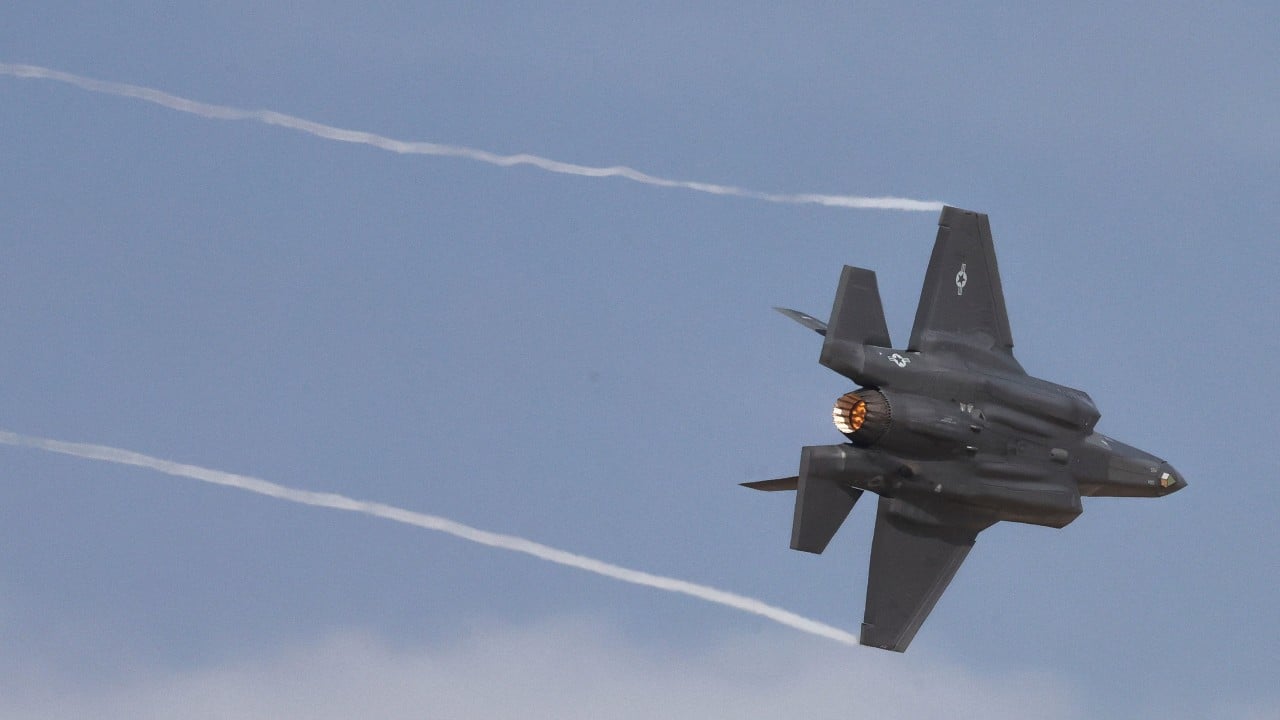
Takaichi's administration isn't just sending polite diplomatic complaints anymore. Tokyo is actively working to update its three core national security documents before the year ends. The goal is simple: upgrade Japan's military capabilities to handle modern warfare, integrating artificial intelligence and combat drones into a more agile defense posture.
Japan already hit its milestone of spending two percent of its gross GDP on defense, reaching an 11 trillion yen budget allocation. But with Washington pushing allies even harder, the financial stakes keep climbing.
Domestic Muscle and Economic Gambit
Political survival requires more than tough talk abroad. Takaichi's initial high popularity ratings have dipped from around seventy percent down to roughly fifty percent, driven by public anxiety over inflation and monetary policy.
To turn public sentiment around, her government pushed through a dramatic two-year consumption tax reduction plan, slashing the rate from eight percent down to one percent alongside direct household payouts. Critics argue this move ignores Japan's massive national debt and invites warnings from international financial watchdogs, but Takaichi is betting that direct relief will shore up her domestic base before parliament reconvenes in October.
At the same time, a recent conservative victory in the Okinawa gubernatorial election handed to conservative candidate Genta Koja gives Takaichi the local backing she needs. She can now push forward with strategic military buildups on Japan's southern island chains to counter regional threats.
What Comes Next for Tokyo
Takaichi heads to New York for the United Nations General Assembly with a full plate. She needs to secure stable footing with Washington while managing the fallout from a tense economic standoff with China.
Tokyo's strategic direction is clear. Japan is shedding its postwar pacifist shell to confront a volatile neighborhood head-on. Watch how the upcoming security document revisions reshape the Indo-Pacific balance of power.
Japan Military Flexes: China, Russia Deploy Spy Ships
This video provides an in-depth look at how Russian and Chinese surveillance activity around Japan is forcing Tokyo to rapidly transform its defense posture.