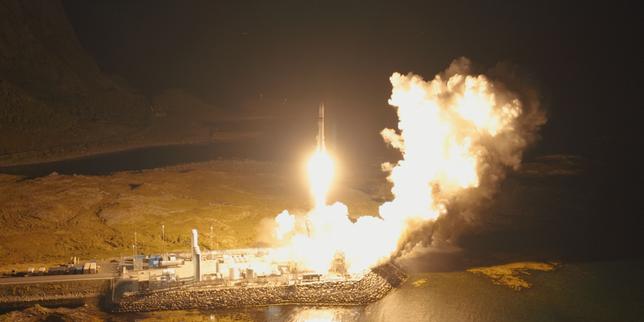
Europe didn't just launch a rocket on September 5, 2026. It finally woke up.
When the Munich-based start-up Isar Aerospace successfully drove its 28-meter Spectrum launcher into orbit from the Andøya Spaceport in Norway, the old guard of institutional European rocketry took notice. No private rocket had ever reached orbit from continental European soil before. For decades, European space ambitions meant massive, state-backed programs managed by heavy committees and launched from French Guiana. Isar just proved that a private, agile team can build, fund, and fly a competitive orbital vehicle from northern Europe.
If you think this is just another corporate PR win for the aerospace sector, you are missing the bigger picture. This launch marks a structural break in how Europe accesses the stars.
Breaking the State Monopoly on Orbit
For a long time, European space policy suffered from a glaring vulnerability: heavy reliance on institutional heavyweights. While SpaceX revolutionized commercial flight cadence across the Atlantic, European payloads frequently hitched rides on foreign rockets or waited years for heavy institutional schedules to align.
Isar Aerospace changes the math. Backed by the European Space Agency’s Boost! program and commercial funding, the company designed Spectrum to haul up to 1,000 kilograms to low Earth orbit. More importantly, their Munich manufacturing facility is built to churn out more than 30 rockets a year.
That is industrial-scale production, not boutique aerospace craftsmanship.
- Private capital is finally moving into European hardware.
- Geographic independence is expanding beyond Kourou.
- Small-to-medium payload deployment is becoming routine.
The Shift Toward True Strategic Autonomy
Politicians love talking about European sovereignty, but sovereignty without independent launch capability is just an empty phrase. When nations cannot guarantee their own access to space, every domestic satellite is exposed to geopolitical friction.
Isar's successful second flight satisfies a major milestone for the European Launcher Challenge, proving that continental private enterprise can deliver where bureaucracy stalled. Competing private European ventures like Spain's PLD Space and other commercial upstarts are watching closely. The monopoly of state-driven monopolies is fracturing into a competitive commercial market.
Clients are already voting with their contracts. Isar recently locked in agreements with international players like Astroscale Japan for debris removal missions. They are also expanding infrastructure footprints globally, including pad leases in North America, ensuring they play on an international stage rather than remaining a regional novelty.
What Comes Next for Small Launchers
Reaching orbit once is a massive technical hurdle. Doing it reliably at scale is where most start-ups break. Isar must now transition from a developmental disruptor to a high-cadence commercial provider.
The market doesn't care about historic milestones once the champagne bottles are empty. Satellite operators want fixed pricing, reliable insurance terms, and predictable launch windows. If Isar can scale its Munich production lines and maintain flight discipline, they won't just disrupt Europe's space ecosystem. They will force the entire continent's aerospace industry to run at startup speed.
Stop waiting for institutional programs to fix Europe's launch gap. The commercial market is already building the replacements.