You can pull up a supercomputer in your pocket, sequence a genome over a weekend, or watch automated systems write code in real-time. Yet, human beings are still struggling with the exact same tribal impulses that plagued our ancestors in caves.
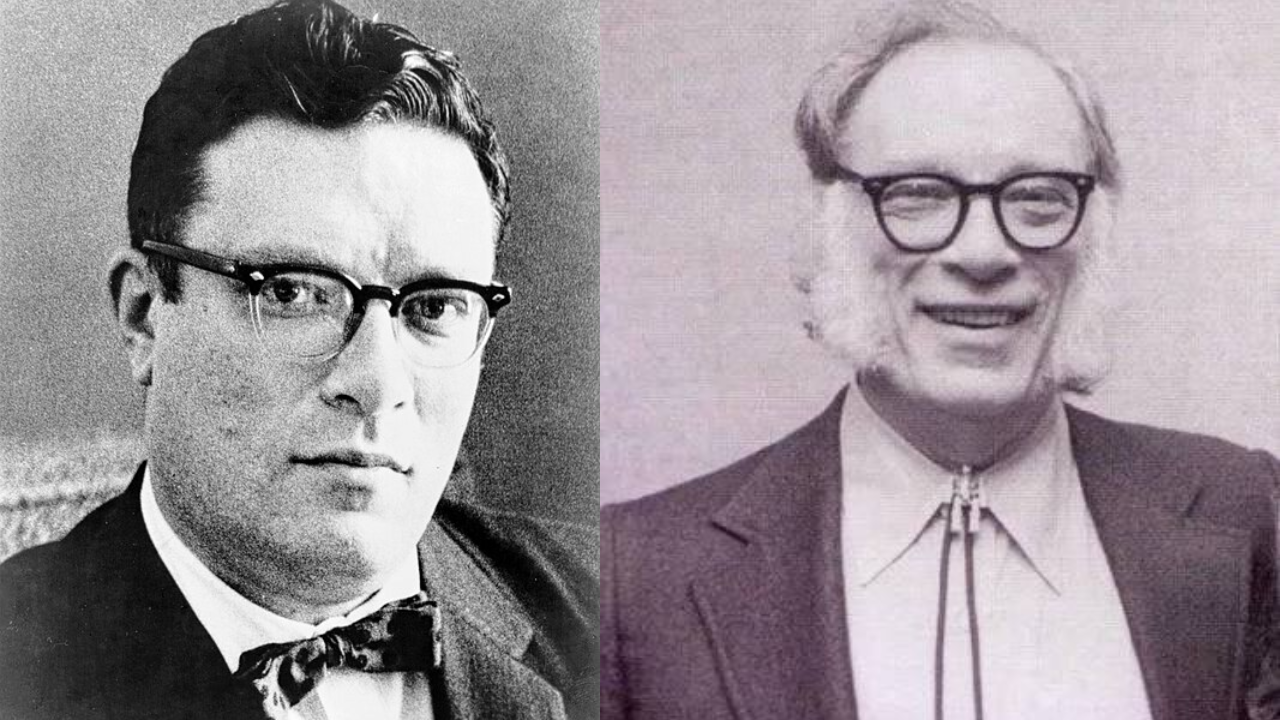
Isaac Asimov famously captured this brutal mismatch decades ago, noting that science gathers knowledge faster than society gathers wisdom. Most people brush this off as a nice quote for a social media graphic. They treat it like poetic philosophy that doesn't affect daily rent, jobs, or traffic. That is a massive mistake.
The gap Asimov warned about is actively tearing modern infrastructure, public discourse, and mental health apart. We built an engine that runs at lightspeed while human judgment is still walking on foot.
The Core Problem With Endless Information
Information is cheap. Understanding is rare. We live in an era where data is completely commodified, yet genuine perspective feels harder to find than ever.
Think about how a typical news cycle works. A major scientific breakthrough happens, or a new tech platform launches with zero guardrails. Within minutes, millions of people have raw access to tools and facts they are completely unequipped to process.
- Data Overload: You get exposed to more technical data in one morning than a 19th-century scholar processed in a year.
- Context Collapse: Facts are stripped of nuance, packaged into headlines, and weaponized for clicks.
- Ethical Lag: Society adopts innovations long before anyone stops to ask if they actually make human life better.
Asimov understood that piling up facts doesn't make a culture mature. It just gives children sharper tools to break things with. When you give a society the technical capacity of gods alongside the emotional maturity of toddlers, disaster is inevitable.
Why Technology Outpaces Human Evolution
Biological evolution takes hundreds of thousands of years. Technological evolution now compounds exponentially every single month. This creates a severe lag.
Look at how everyday systems handle massive technical leaps. Social media platforms were engineered using behavioral psychology to maximize engagement, ignoring the obvious collateral damage to human attention spans and adolescent mental health. We didn't build wisdom into the foundation. We built growth metrics.
When the atomic bomb was dropped, physicist Robert Oppenheimer famously quoted Hindu scripture about becoming death, the destroyer of worlds. He realized instantly that scientific capability had outrun human ethics. Every major technical shift repeats this pattern on a smaller scale.
You see it in algorithmic trading systems crashing markets in milliseconds. You see it in biotechnology creating synthetic biology debates that lawmakers can't even comprehend, let alone regulate properly.
Bridging the Gap in Your Own Life
You cannot fix global institutional lag by yourself. But you can stop participating in the frantic rush to consume information while ignoring deep reflection.
Slowing down feels deeply uncomfortable right now because the modern world rewards speed. If you aren't reacting to every breaking news item, you feel left behind. That anxiety is entirely manufactured.
To cultivate actual perspective in a noisy ecosystem, try changing how you process input:
- Impose a Friction Rule: Wait twenty-four hours before sharing any startling study or breaking news piece. Let the initial wave of hype settle so you can see if the underlying facts hold up.
- Prioritize Depth Over Breadth: Stop reading summaries of summaries. Read entire books or long-form analyses written by people who have spent decades studying a single domain.
- Ask Better Questions: Knowledge tells you what a system can do. Wisdom forces you to ask who benefits, who pays the price, and whether the trade-off is worth making.
We don't need more data dashboards. We need more patience, better skepticism, and the courage to admit when we don't know enough to judge a situation. Stop chasing every new piece of noise and start demanding actual meaning.