You think you know hard work. Then you watch a man hoist a fifty-pound basket of fish onto his head at two in the morning, navigating a third of a mile of slimy, scale-littered concrete in pitch darkness.
At the Kasimedu Fishing Harbour in Chennai, India, life isn't romantic. It's a grinding, relentless wager against the open sea. Thousands of workers, from seasoned deep-sea fishermen to young basket carriers, show up every single day to pull a living out of turbulent waters. But behind the vibrant market stalls and the early-morning chaos lies a reality defined by immense physical toll, zero safety nets, and an unbreakable emotional tie to the ocean.
The Brutal Math of the Kasimedu Docks
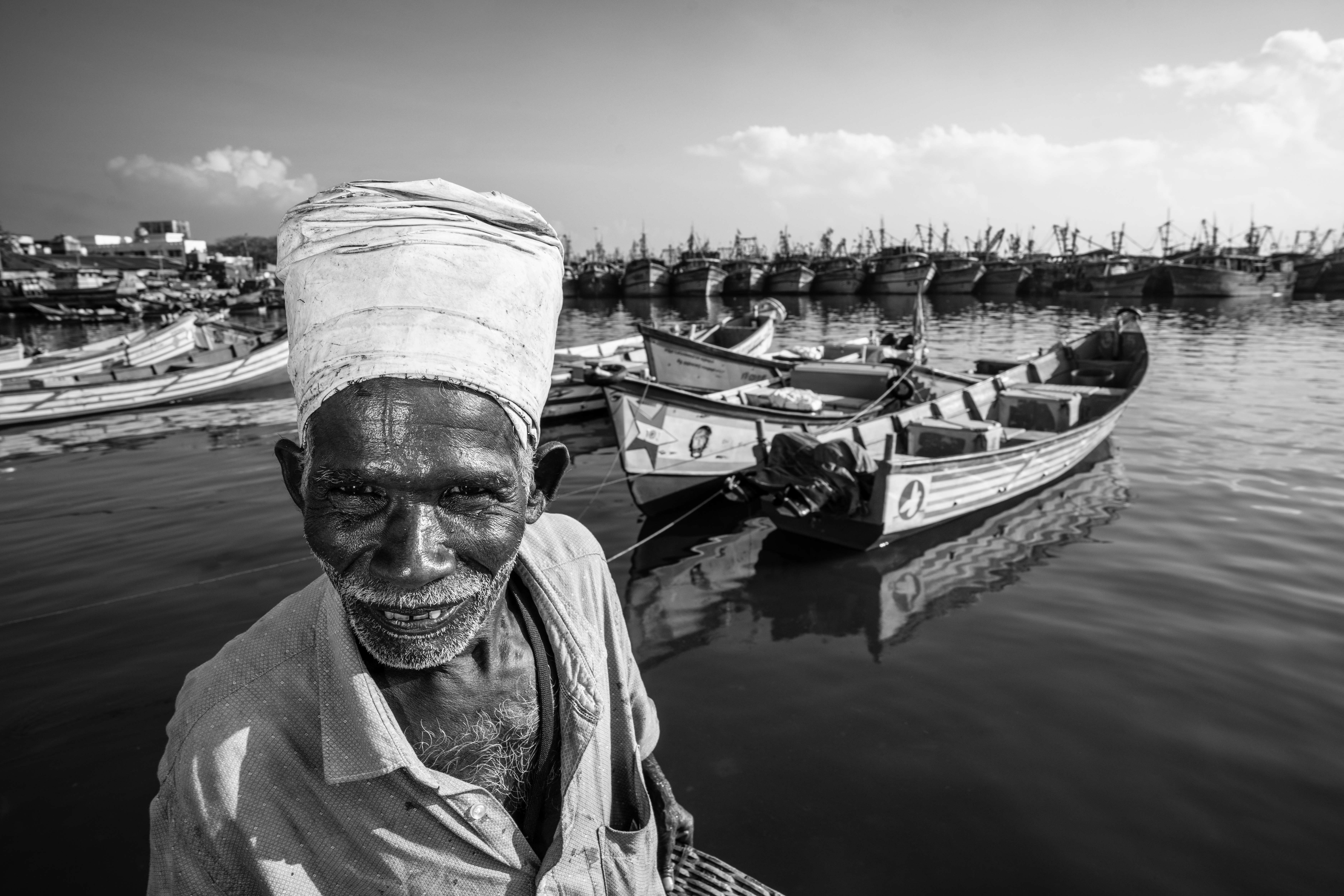
Let’s talk numbers. This harbor was originally designed to accommodate fewer than six hundred boats. Today? It routinely services over a thousand. The congestion alone is staggering, but the economic squeeze is worse.
If you talk to the workers on the ground, you'll hear a common refrain: feast or famine. On average, a fisherman here might clear around $200 a month—provided the season is kind and the catches cooperate. One bad spell of weather, an unexpected engine failure, or a stretch of poor yields can push an entire household into crisis. There are no corporate benefits, no paid leave, and no government safety nets to catch you when you fall.
Take Nandu Kumar. At sixty-five, he has lived every chapter of this waterfront's gritty history. Long before he was selling fish from a harbor shop, Kumar spent years running contraband, smuggling imported alcohol and cigarettes across the coast until economic reforms dried up the trade in 1991. He went back to fishing because the sea was familiar.
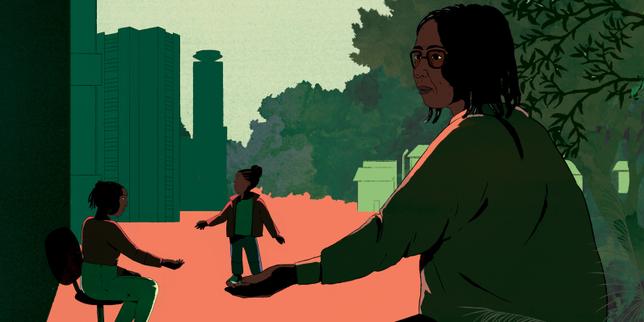
But the sea takes its toll. "This fishing life—it's harshest on the body," Kumar notes, describing decades of persistent shoulder pain and the grim reality of how some men cope with chronic ache on long voyages. When tragedy struck his family—claiming both his son-in-law to a drowning accident and later his grieving daughter—Kumar stopped going out on weeks-long boat trips. He took in his infant grandchildren and pivoted to selling fish on land, trading the violent unpredictability of the open water for the steady hustle of the shore.
Why the Younger Generation Keeps Coming Back
It’s easy to assume that young people would flee this kind of backbreaking labor the second they get a chance. Many do. The grueling conditions and low margins drive some toward safer desk jobs or alternate industries.
Yet, there is a stubborn pull that defies logic. That fierce independence baked into the culture keeps drawing people back. Plenty of individuals who try out corporate or urban employment end up walking away from it. By mid-life, they find themselves drifting right back to the docks, unable to shake the rhythm of the tides.
Kumar compares the ocean to a mother's lap. You can travel far, you can try to leave it behind, but the gravitational pull of the water is too strong to resist permanently.
The True Cost of Your Seafood Dinner
When you buy fish at a market or order it at a restaurant, you’re looking at the final, sanitized step of a brutal supply chain. You don't see the basket men wading through seawater and fish scales before dawn. You don't see the families managing the financial gamble of a three-week voyage that yields next to nothing.
The people powering Chennai’s coastal economy operate largely out of sight, bearing the brunt of ecological shifts, overcrowding, and economic vulnerability. Their resilience is remarkable, but resilience shouldn't have to substitute for basic security.
Next time you look at a plate of fresh catch, remember the hands that carried it, the bodies broken by the weight, and the silent sacrifice behind the daily auction. If we want to understand the true cost of our food, we have to look past the market stalls and face the harsh, unvarnished truths of the people who risk everything for the sea.