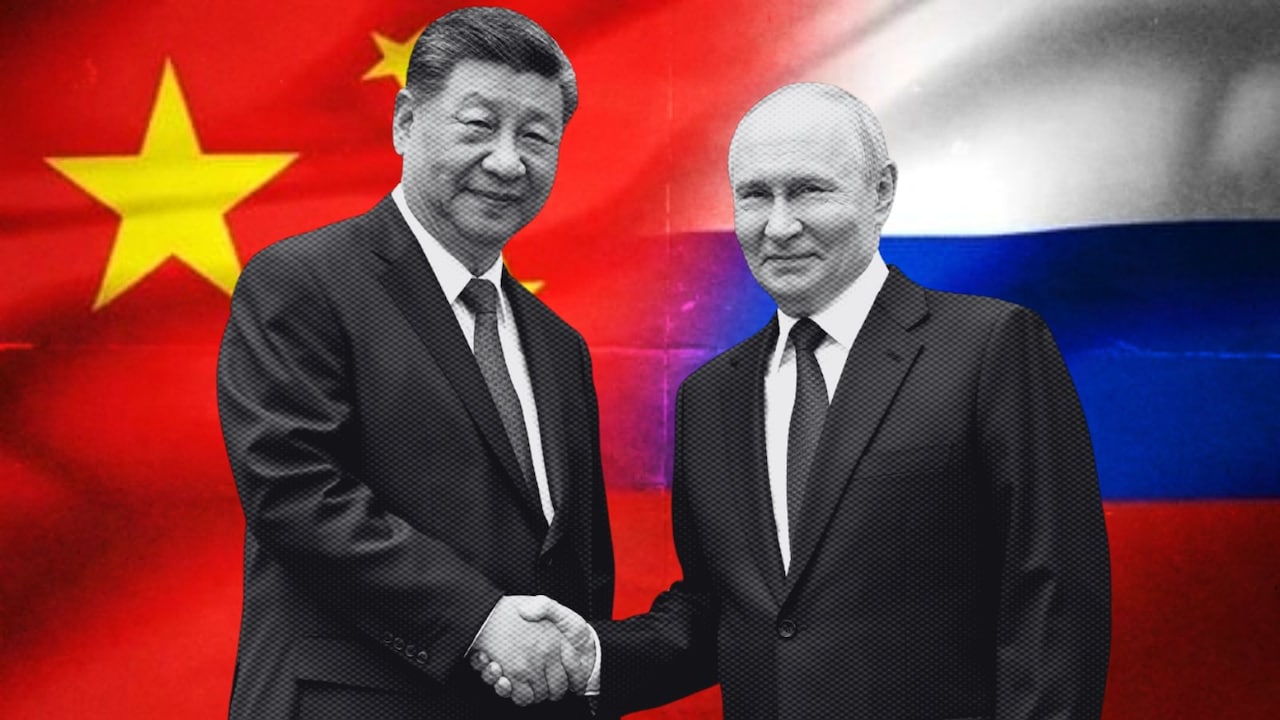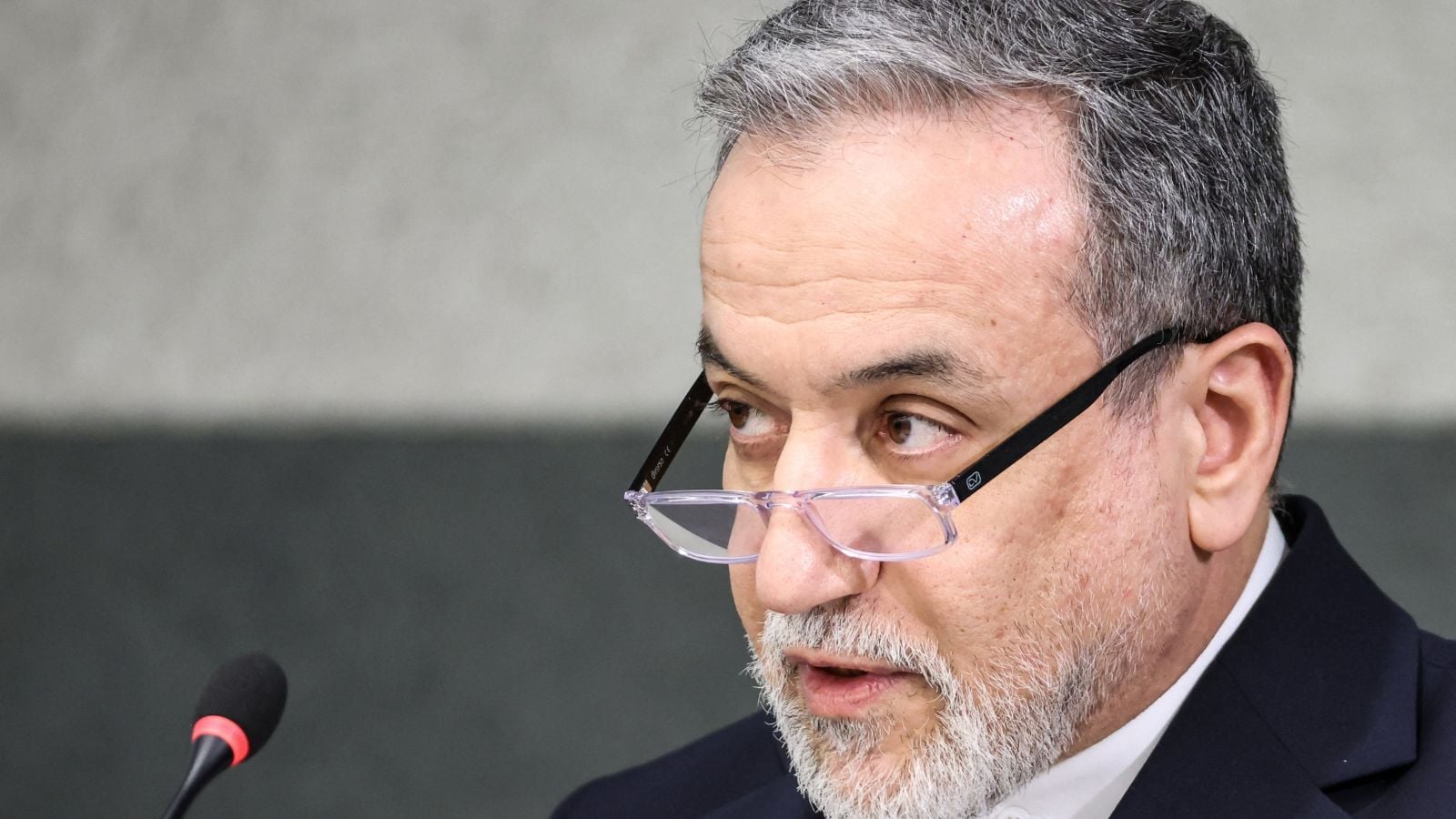
When Iranian Foreign Minister Seyyed Abbas Araghchi touched down in Beijing on September 16, 2026, it wasn't just a standard diplomatic routine. Timing matters in international relations. This high-profile visit to meet Chinese counterpart Wang Yi happened precisely as Beijing prepared for President Xi Jinping's upcoming trip to the United States.
If you're wondering why Tehran is doubling down on its ties with China right now, look at the map and look at the calendar. West Asia is boiling over with military friction involving the US, and Iran wants a heavy-hitter ally in its corner before superpower summits start rolling out.
The Beijing-Tehran Alignment
Let's cut through the official diplomatic fluff. Iran's foreign minister Araghchi visiting China is about strategic insurance. Tehran has been under immense pressure, navigating harsh sanctions and direct military confrontations. When Iranian President Masoud Pezeshkian recently addressed the 18th BRICS Summit in New Delhi, he made it clear that developing countries need to band together against what he termed unilateral and inhumane measures.
Araghchi's meetings in Beijing build directly on that momentum. He and Wang Yi already held consultations earlier in July on the sidelines of the Shanghai Cooperation Organisation meetings in Kyrgyzstan, followed by a pull-aside chat at the BRICS Summit. Now, they are locking down their talking points face-to-face.
The Washington Factor
Why does this meeting keep heads turning in Western capitals? Because it precedes Xi Jinping's planned journey to the United States on September 24 for high-stakes talks with US President Donald Trump.
Beijing sits in a unique position. China maintains massive economic leverage over Iran—buying its oil and investing through long-term frameworks—while simultaneously managing its complex rivalry with Washington. By hosting Araghchi just days before sitting down with Trump, Beijing signals that its partnership with Tehran remains intact, regardless of American pressure.
What’s Actually on the Table
You won't find every detail in the official press releases, but a few core issues drive this conversation:
- Regional Stability: The fallout from ongoing conflicts in West Asia threatens global energy supply chains and maritime routes like the Strait of Hormuz.
- Sanctions Countermeasures: Both nations face heavy restrictions from Western financial systems, making alternative trade mechanisms a daily necessity.
- Global Governance Reforms: Aligning diplomatic strategies ahead of major multilateral summits to push back against Western-dominated frameworks.
Iran needs diplomatic oxygen. China wants stability in energy markets while projecting global leadership. That mutual dependency is why Araghchi's trip to Beijing is turning heads from Washington to Brussels. Watch how these positions translate when the cameras start flashing in the US later this month.