When the ground shakes violently in the archipelago, every single second dictates who lives and who doesn't. A powerful 7.7-magnitude earthquake has struck off Indonesia's eastern Flores island, triggering an urgent scramble.
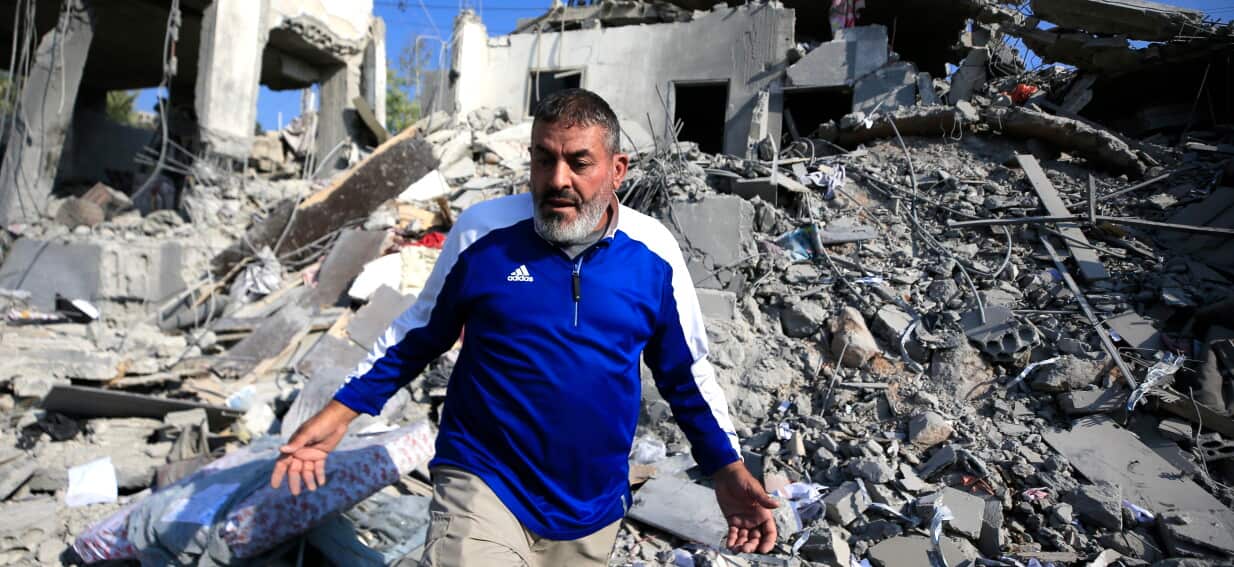
Emergency teams are facing brutal conditions. The National Disaster Mitigation Agency (BNPB), led by Suharyanto, confirmed that the death toll has climbed to 47 as of Saturday, with dozens more injured and scores trapped under collapsed structures. Nearly 160 houses alongside public buildings, schools, and medical facilities have sustained severe structural damage across the popular tourist region.
The Anatomy of a High-Stakes Search Operation
You don't truly understand disaster response until you look at the logistical nightmare of island geography. When an earthquake hits eastern Flores, specialized heavy equipment cannot simply teleport to the site. Roads are blocked by landslides, communication lines flicker in and out, and aftershocks keep shaking loose rubble onto the teams working below.
Suharyanto stated clearly that rescuing trapped survivors remains the absolute priority for response teams on the ground. Helicopters and fixed-wing planes are on standby to push emergency provisions into isolated pockets where conventional transport is impossible. Meanwhile, international offers for technological aid are rolling in, including satellite observation support from the European Union to map structural collapses from orbit.
Why Indonesia Remains Ground Zero for Seismic Vulnerability
People always ask why these earthquakes cause such catastrophic damage despite modern engineering standards. The reality is stark. Indonesia sits squarely on the Pacific Ring of Fire, an intensely active seismic arc where tectonic plates constantly grind against each other.
Many local structures—especially residential homes outside major commercial hubs—lack the reinforced framing needed to withstand high-magnitude shocks. Soft soil compositions in certain valleys amplify seismic waves, turning ordinary tremors into destructive forces. It's a compounding mix of geography, population density, and legacy construction methods that leaves communities disproportionately exposed.
What Happens Next on the Ground
Aid distribution is already scaling up. The International Federation of Red Cross and Red Crescent Societies has begun preparing emergency supplies for roughly 2,000 residents forced into temporary shelters. Medical tents are filling up, and triage units are operating around the clock to treat trauma cases and fractures.
If you're following this crisis or coordinating humanitarian aid donations, keep a close watch on verified channels like the BNPB for official updates. The immediate window for pulling survivors from the wreckage is narrow, and the coming days will test the resilience of local emergency networks to their absolute limit.