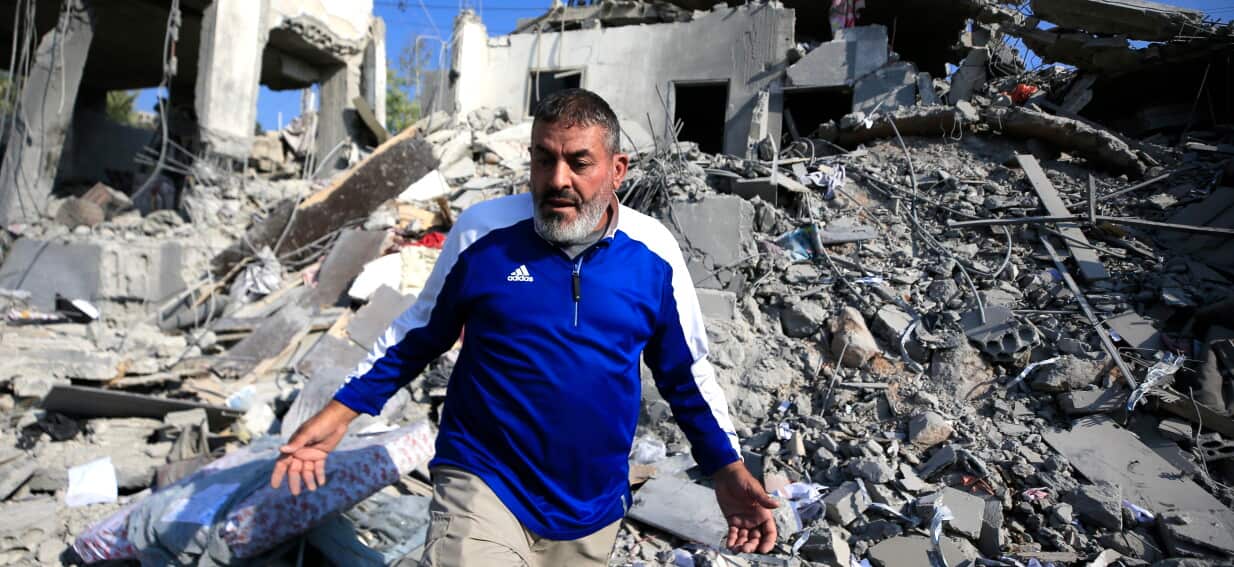
The ground in southern Lebanon is shifting again. It isn’t just the physical impact of airstrikes anymore. It’s the entire framework of the shaky ceasefire that has been keeping the border from spiraling back into full-scale war since June. When news broke that at least 11 people were killed in overnight raids—including women and children in the village of Ansar—it didn’t just mark the deadliest attack in weeks. It signaled that the status quo is fundamentally unsustainable.
I’ve watched these tensions for months. You see a pattern emerging. One side claims a military target was neutralized; the other points to the tragic reality of civilian deaths. Meanwhile, the actual diplomatic negotiations are being held hostage by the next explosion.
What is really at stake in the border zone
The core issue isn’t just about where missiles land. It’s about the presence of Israeli troops in southern Lebanon. Israel has maintained that its forces will stay put until Hezbollah is disarmed. The group, in turn, views this as a non-starter, calling it a demand for surrender.
When you strip away the official statements, you’re left with a dangerous reality. The Israeli military insists they hit a "central headquarters" of Hezbollah’s elite Radwan Force. They claim they didn’t know civilians were present until after the fact. But that explanation does nothing to change the political fallout. Lebanese Prime Minister Nawaf Salam didn’t mince words, publicly stating that the women and children killed were not military targets.
This is where the trust gap becomes an abyss. When one side argues that civilian deaths are the result of an adversary using human shields, and the other side argues that the strike was a deliberate act of aggression, there is no middle ground left for negotiators to work with.
Why the ceasefire is failing
You might ask why these attacks are happening if there is a deal in place. The answer is simple: the deal is a house of cards. The framework was meant to eventually lead to the Lebanese army taking control, but that’s a long-term goal that ignores the short-term reality on the ground.
Hezbollah isn’t just going to pack up because a peace deal was signed. Israel isn’t going to withdraw its troops while it feels vulnerable to rocket fire. This tension creates a vacuum where "retaliation" becomes the default setting.
Look at what happened with the strike on the Ali al-Taher hill. It was the deepest strike into Lebanese territory in two months. That’s not a random tactical decision. It’s a message. When Israel hits deeper into Lebanon, they’re essentially telling Hezbollah that there are no "safe zones" for their operations. Hezbollah’s response—promising that these attacks will be "met with what they deserve"—is the only language they have been using for years.
The cycle of blame and its consequences
International observers and U.S. officials are caught in the middle of this. A U.S. State Department official recently suggested that a permanent Israeli military presence is inconsistent with the commitments made in the ceasefire agreement. Yet, here we are.
Honestly, the rhetoric coming from both sides is becoming more entrenched, not less. The Israeli Prime Minister’s office claims these strikes will actually make the negotiations "more serious." That’s a bold claim. To most observers, it looks like the exact opposite is happening. Every time civilians are killed, it becomes politically impossible for Lebanese leaders to make any concessions at the negotiating table. The public pressure alone forces them to take a harder line.
Where do we go from here
If you are trying to understand where this ends, you have to look past the military optics.
- National unity is the immediate goal. Lebanese leaders are calling for it, but with Hezbollah’s influence and the pressure from internal factions, a unified national response is incredibly difficult to achieve.
- Watch the diplomatic sponsors. The countries that brokered the initial ceasefire have to decide if they are willing to apply real pressure on both sides to stop the escalation. Right now, they seem to be watching from the sidelines.
- Expect more volatility. As long as Israeli troops remain in the south and Hezbollah continues to view their presence as an occupation, the potential for another "deadliest raid" is extremely high.
There is no sign that either side is ready to back down. The tragic loss of 11 lives in Ansar and Deir El Zahrani is a grim reminder that in this environment, civilians are the ones who pay the price for a peace that exists only on paper. The diplomatic window is not just closing—it is being systematically dismantled, strike by strike. We are witnessing a slow-motion collapse of a regional security arrangement, and the next few weeks will likely determine whether it can be salvaged or if the region is headed toward another major escalation.