Hong Kong just did something it swore it would never do. The global capital of laissez-faire capitalism, famous for a historical posture of positive noninterventionism, has officially rolled out its very first five-year development plan.
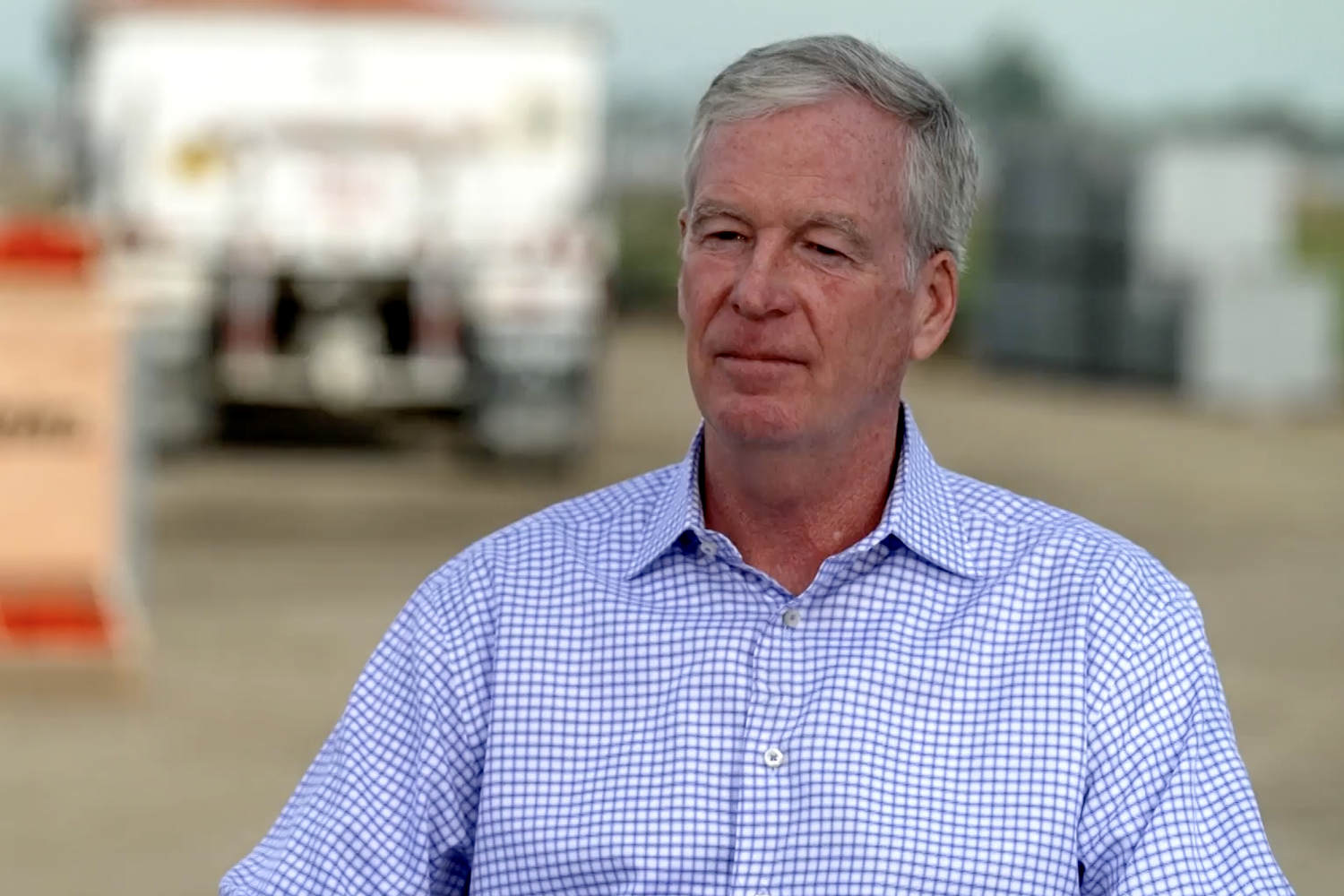
For decades, the standard playbook here was simple. The government built the infrastructure, maintained the rule of law, and stepped completely out of the way. Private enterprise did the heavy lifting. But economic gravity changes. Facing intense regional competition and shifting global realities, Chief Executive John Lee unveiled a 60,000-word blueprint spanning 2026 to 2030.
If you think this is just empty administrative theater, you're missing the entire point of what's happening on the ground.
Moving Past the Pure Finance Trap
Everyone knows Hong Kong as a powerhouse for international finance, shipping, and trade. That isn't changing, but leaning on finance alone leaves the economy vulnerable to external shocks. The new strategy aims to aggressively diversify the city's growth engine.
The plan establishes 22 core indicators—including 5 binding targets and 17 anticipatory goals—that tie local economic performance directly to measurable outcomes. Among them, the government wants to boost the ratio of domestic expenditure on innovation and technology activities relative to GDP from 1.63% to 3%.
That is an aggressive jump for a jurisdiction that historically left research funding entirely up to market whims. To make it happen, officials are anchoring industrial policy around spatial engineering.
The Northern Metropolis Blueprint
The physical anchor of this entire strategy is the Northern Metropolis, a massive development zone hugging the border with Shenzhen. Instead of cramming more commercial skyscrapers into an already saturated central business district, the government is shifting focus northward.
The strategy aims to produce 900 hectares of spade-ready land in this area during the plan period. That represents a staggering 650 percent increase over the previous five years. The goal isn't just concrete and steel. Plans include dedicated university towns designed to house artificial intelligence and robotics clusters, creating an integrated innovation chain alongside Shenzhen's manufacturing might.
Critics love to frame this integration as the end of Hong Kong's distinct economic identity. Honestly, that argument ignores how trade and capital actually move.
Maintaining the Edge While Aligning with Beijing
Aligning with mainland China's broader national framework doesn't mean erasing what makes Hong Kong unique. In fact, the blueprint explicitly protects the attributes that keep the city globally irreplaceable.
The common law system remains intact. The Hong Kong dollar is still freely convertible, and the city retains its crown as the world's largest offshore renminbi business hub. In fact, the plan pushes to expand renminbi settlement capabilities further, pairing it with an ambitious push to build a robust local gold trading and commodity ecosystem. Backing offshore renminbi assets with physical gold bullion stored locally gives international investors a level of structural assurance that few other places can replicate.
You're looking at a hybrid model. It combines the structured long-term vision of a state-backed strategy with the open capital flows of an international common law hub.
What This Means for Business Owners and Investors
If you're trying to figure out where to place your capital over the next few years, stop looking only at legacy banking stocks. Pay attention to the execution risks and the real-world spending targets built into this roadmap.
- Watch the Land Release: Track how fast those 900 hectares in the Northern Metropolis transition from paperwork to active construction sites. Infrastructure supply dictates real estate and tech clustering.
- Track the Green Transition: The government is backing its sustainable bond program aggressively through 2030. Cross-border decarbonization financing in the Greater Bay Area is creating immediate entry points for climate tech firms.
- Monitor Offshore Renminbi Flow: As liquidity tools and short-term debt instruments expand via the monetary authority, multinational corporations trading with Asia need to adjust their treasury management to leverage these settlement channels.
Hong Kong is done waiting for the invisible hand to fix its structural hurdles. By mixing proactive governance with free-market discipline, the city is forcing a new economic reality. Adapt to the blueprint or get left behind.