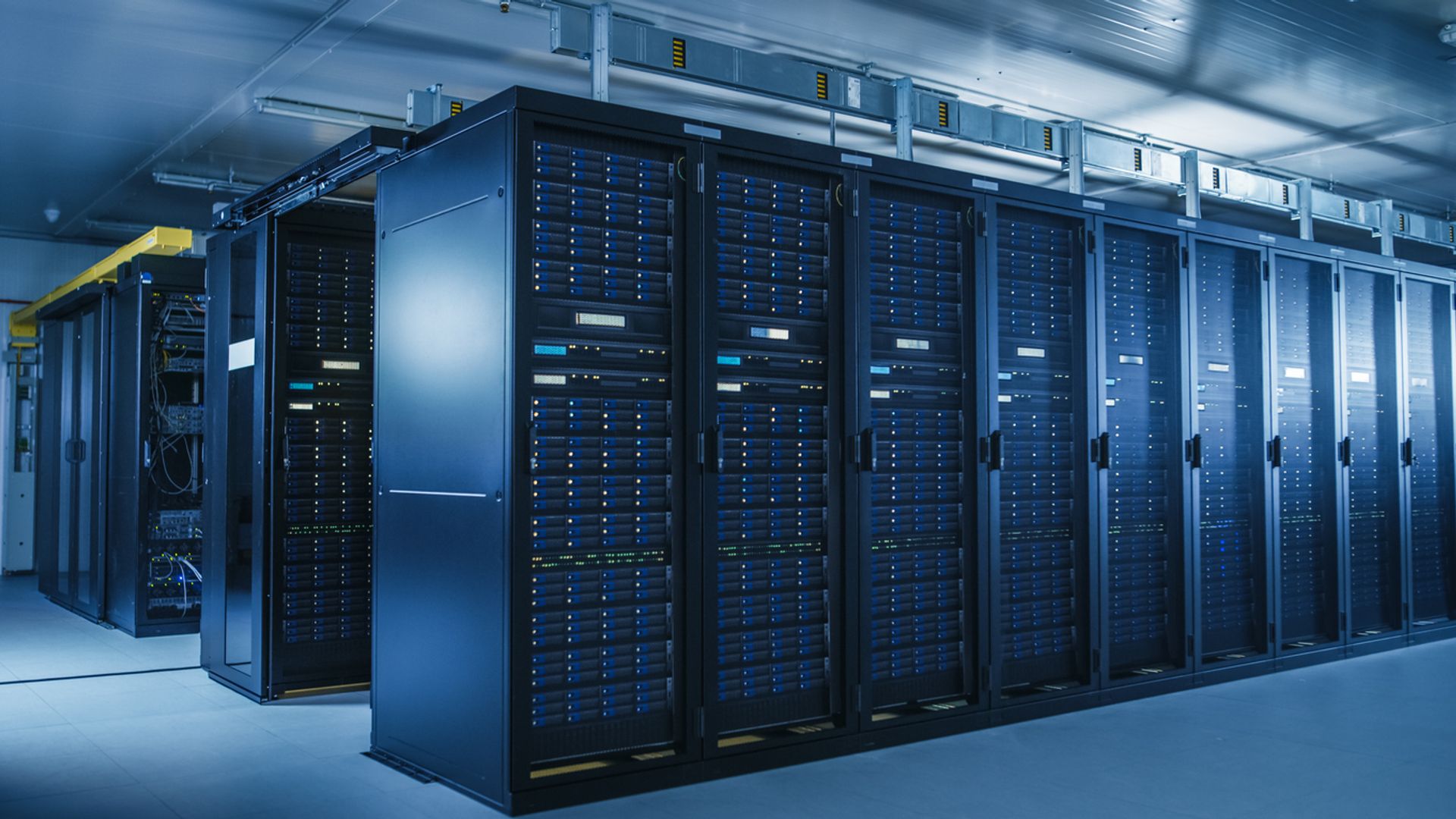
Money follows infrastructure. When a quartet of senior industry leaders jumps ship to build a massive digital footprint, the tech sector listens. Astor has just secured a powerhouse team to drive a massive 5 billion euro project pipeline across Europe, targeting the severe infrastructure bottlenecks choking modern artificial intelligence and cloud computing.
If you've been watching the tech landscape over the past few years, you know the real bottleneck isn't software capability or algorithm design. It is raw, unadulterated power and floor space. Meanwhile, you can read related events here: Why The Outkick Transition Without Clay Travis Changes Sports Media Forever.
The High Stakes of European Digital Expansion
Demand for data storage and processing power has outpaced supply. Every major enterprise wants to deploy artificial intelligence models, yet finding suitable physical sites with enough electricity is becoming nearly impossible. Major European hubs face grid connection delays lasting years.
Enter Astor. By bringing on board this experienced executive quartet, the firm is positioning itself to bypass traditional development hurdles. They aren't just building routine server shacks. They are targeting high-capacity, next-generation facilities designed to handle dense AI workloads without collapsing regional power grids. To understand the bigger picture, we recommend the recent report by The Wall Street Journal.
Why does a 5 billion euro pipeline matter right now? Because capital is flooding into physical assets. Investors are realizing that digital services cannot scale without physical concrete, liquid cooling arrays, and secure energy procurement.
Behind the Executive Shift
Talent migration in the infrastructure space tells a clear story. Top operators go where the capital and backing are strongest. Moving to Astor gives this leadership group the financial muscle needed to acquire prime real estate and secure heavy-duty power purchase agreements.
Traditional commercial real estate developers often stumble when entering the digital infrastructure arena because they underestimate power density requirements. Modern server racks draw massive amounts of electricity, requiring specialized cooling and direct energy grid integrations. This quartet brings deep operational know-how that generic property firms lack.
The strategy relies on speed. Markets move fast, and companies waiting three years for a transformer upgrade will lose out. Astor aims to streamline site acquisition, planning permission, and grid connectivity to deliver capacity when clients need it.
What This Means for the Broader Tech Market
Expect a scramble for remaining grid allocations near major European economic centers. As Astor rolls out its multi-billion euro strategy, smaller regional operators will either need to find niche markets or risk getting squeezed out by well-capitalized giants.
Enterprise clients should prepare for tighter competition over tier-one facility space. Securing dedicated data center capacity early is now a boardroom-level priority rather than an IT afterthought.
Keep an eye on how these regional hubs handle local energy consumption regulations. Building massive digital plants requires navigating strict environmental compliance, especially in nations prioritizing green energy transitions. Astor's execution will set a benchmark for how heavy digital infrastructure scales across the continent in the years ahead.