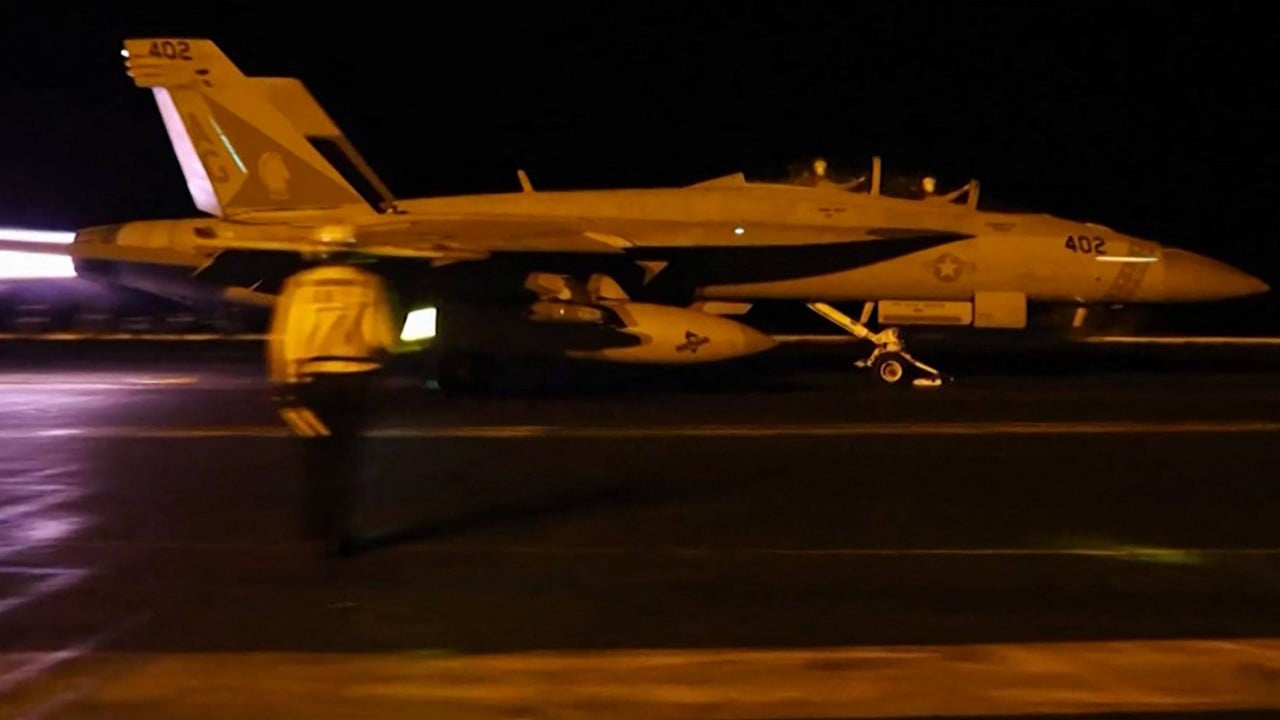
Donald Trump says the US hit Iran "very hard" in recent days. Strikes slammed targets near Bandar Abbas, Bushehr, and areas right around Tehran. Yet, if you think sustained aerial bombardment will force Tehran into a permanent peace deal, you haven't been paying attention to the Middle East.
Airpower alone doesn't compel ideologically committed adversaries to sign unconditional surrenders. It rarely has in modern history. The renewed strikes across the Strait of Hormuz look less like a decisive victory strategy and more like an endless cycle of tactical escalation. Building on this theme, you can also read: Why The Us Virgin Islands Housing Authority Corruption Crisis Is A Warning For Federal Aid.
The Flaw in the Trump Air Campaign Strategy
Strikes by US Central Command targeted Iranian coastal defense systems, missile launch pads, and drone facilities. CENTCOM says these actions degrade Iran's ability to threaten commercial shipping. That sounds great on a military briefing slide. On the ground, the math changes completely.
A foreign policy doctrine relying purely on air power assumes the target will panic when the bombs drop. Iran's leadership doesn't work that way. When US missiles hit southern ports like Chah Bahar or Konarak, Iranian forces respond by launching cheaper, asymmetric weapons. A single US precision missile can cost millions of dollars. The Iranian drone it destroys costs a tiny fraction of that amount. Observers at Reuters have also weighed in on this trend.
Former defense officials are already raising alarms about this disparity. Running through high-tier munitions stockpiles at this speed limits preparedness elsewhere, especially in the Indo-Pacific. Bombing military targets sends a strong message, but it doesn't dismantle the political or strategic apparatus that keeps the Iranian regime fighting.
Why the Strait of Hormuz Crisis Is Escalating
The real core of this conflict isn't just military posturing. It's control over the Strait of Hormuz, the choke point for roughly twenty percent of global oil and gas shipments.
When Washington reinstated a naval blockade on Iranian ports and suggested charging cargo fees in the strait, Tehran retaliated. Iranian cruise missiles targeted US assets and regional infrastructure in neighboring Gulf countries. Oil markets reacted immediately, pushing Brent crude past $85 a barrel.
Both sides claimed they wanted to preserve the earlier 60-day interim deal. In reality, their goals remain totally incompatible.
- Washington wants free transit in the strait, a total halt to Iran's nuclear development, and an end to regional proxy support.
- Tehran demands an end to all US and Israeli strikes, immediate relief from economic sanctions, and unfreezing billions in overseas funds.
Neither side is willing to back down first. When every military action is framed as a matter of national survival, compromise looks like defeat.
Economic Pressure vs Military Force
Some analysts argue that economic strangulation, rather than constant bombing, is the only way to squeeze Tehran. Iran's domestic economy is already under severe stress. Inflation is high, currency values have plummeted, and public dissatisfaction runs deep.
Yet economic sanctions take time to work. They require international coordination, discipline, and patience. Relying strictly on airstrikes gives the impression of decisive action while ignoring the structural factors driving the conflict. Bombing a country's infrastructure often rallies domestic support around the government, even an unpopular one, against an external enemy.
What Needs to Happen Next
If the goal is long-term stability rather than a forever war in the Gulf, tactical bombing runs won't cut it. Moving forward requires concrete, grounded steps:
- Set Realistic Terms for Shipping Security: A unilateral attempt to control or tax traffic through international waterways only invites asymmetric attacks on tankers. Multilateral naval escorts with international consensus work better than solo blockades.
- Prioritize Targeted Economic Levers: Stifling revenue streams tied directly to military manufacturing hits harder over six months than destroying a few launch sites overnight.
- Establish Clear Diplomatic Off-Ramps: High-intensity military pressure without a realistic, achievable diplomatic exit forces the opposing side to fight endlessly. Tehran needs a clear pathway to sanction relief tied directly to verifiable actions on shipping lanes.
Relying on air superiority to resolve deep geopolitical disputes is a trap. Until Washington pairs its military posture with a coherent, sustainable diplomatic strategy, "hitting them very hard" will only produce more retaliation, higher energy prices, and a conflict that refuses to end.

:max_bytes(150000):strip_icc():focal(599x0:601x2)/Matt-Damon-Luciana-Barroso-120524-13-8d0beed390b54c3ea0b2a105ee170326.jpg)
