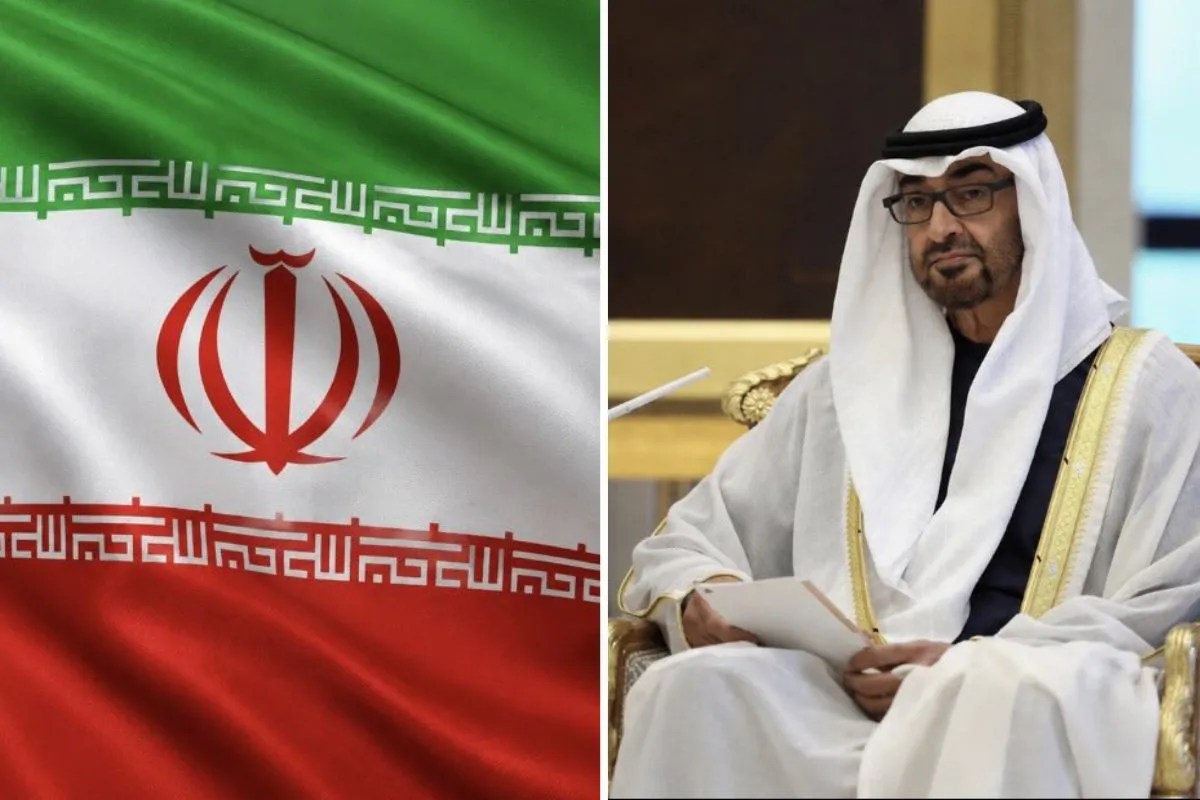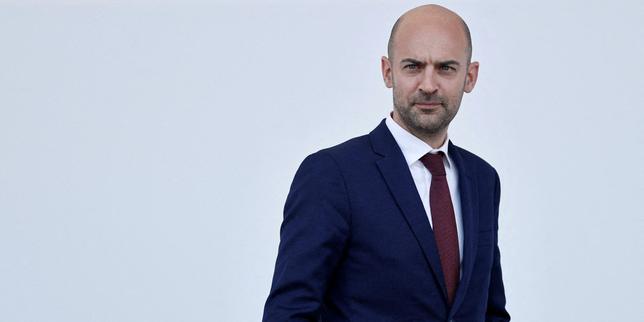
The diplomatic floor between Paris and Tehran has basically collapsed. After weeks of posturing, the French government officially confirmed it's expelling two Iranian diplomats. This move, announced by Foreign Minister Jean-Noël Barrot on August 18, 2026, isn't just a standard bureaucratic shuffle. It's a clear signal that the gloves are finally off.
If you’re wondering why this matters, look at the timeline. It all started on July 19, when two French embassy staff members were picked up in Tehran. Paris says they were held for four hours, interrogated, and physically abused. Tehran calls it a routine check on "suspicious meetings."
When the dust settled, those two French officials left Iran. They didn't think they’d be blocked from returning. But on August 17, Iranian authorities made it official: those two individuals are barred from ever stepping foot in the country again.
The logic of diplomatic retaliation
In international relations, tit-for-tat is the standard language. When a country crosses a line—in this case, by harassing accredited diplomats and then effectively persona-non-grata-ing them—the target country almost always responds in kind. By expelling two Iranian diplomats, France is playing by the book.
But let’s be honest. Does this actually solve anything?
Usually, these expulsions are more about optics and domestic pressure than they are about achieving a long-term strategic win. Barrot had promised consequences for the "intolerable" treatment of his staff back in July. He had to deliver. If he didn't, the French government would look weak, not just to Tehran, but to its own public.
Why Tehran is pushing back now
The Iranian intelligence ministry has been vocal about its frustrations. They’ve accused the French of running a "vast project" to influence Iranian internal affairs. They specifically pointed to the work these diplomats were doing in cultural and scientific programs.
For the Iranian regime, any foreign presence in civil society—even cultural or academic—is often viewed through a lens of existential paranoia. They don't see an "attaché culturel"; they see a potential destabilizer. By labeling these French officials as threats to national independence, Tehran justifies its hardline stance. It’s a classic move to frame domestic unrest as a product of "foreign interference."
The human cost of the standoff
While ministers exchange heated words, the real losers are the people actually trying to build bridges. The two French diplomats weren't there to topple a government. They were managing programs for artists and researchers.
These aren't just empty titles. These programs provided a tiny, fragile lifeline for Iranian academics and creators to engage with the outside world. When those connections are severed, the isolation grows deeper. It’s a grim cycle. Tehran clamps down, France reacts, and the ordinary people who benefit from that international exchange end up locked in the middle of a political fortress.
Is there a way out
Probably not soon. Both sides are currently digging in. Tehran has doubled down on its accusations of "illegal activities," and Paris has made it clear that diplomatic immunity isn't an optional perk—it's the bedrock of their presence in the country.
When you look at the trajectory of the last month, it’s hard to see where the de-escalation happens.
- The initial spark: The July 19 incident.
- The escalation: The public accusations of assault and intimidation.
- The current status: Reciprocal expulsions and a complete freeze on the return of embassy staff.
The next step is likely a further thinning of diplomatic staff on both sides. As the "corridor" between the two embassies gets emptier, the chance for a quiet, back-channel fix vanishes.
What you need to watch next
Don't expect a sudden thaw. Keep an eye on how other European capitals respond. France isn't acting in a vacuum; the European Union has already condemned the "aggression" against the French staff. If other EU nations follow suit with their own diplomatic protests, this could turn into a broader European-Iranian freeze.
The reality of 2026 is that diplomacy is becoming increasingly performative. We're watching a breakdown of the old rules. If you're hoping for a quiet resolution, you're likely going to be disappointed. Expect more tension, more noise, and fewer open doors. The standoff isn't just about two diplomats anymore. It’s about the total breakdown of trust.