The news coming out of the Democratic Republic of Congo is bleak. Officials report that the latest Ebola outbreak has claimed over 2,300 lives. With nearly 5,000 confirmed cases, it’s already the deadliest in the nation's history. But the numbers aren't even the scariest part. The real issue is that we are losing the race against this virus.
Tedros Adhanom Ghebreyesus, the head of the World Health Organization, didn't mince words during a recent emergency meeting. He admitted that the global response is effectively playing catch-up. The virus had a head start. It’s still spreading through regions where the state barely exists.
The Reality Of The Ground Situation
You cannot understand this crisis without looking at where it's happening. The outbreaks are concentrated in the north and east of the DR Congo. These aren't areas with high-functioning healthcare systems or stable government oversight. They are remote. Many communities have been living with the threat of armed groups for decades.
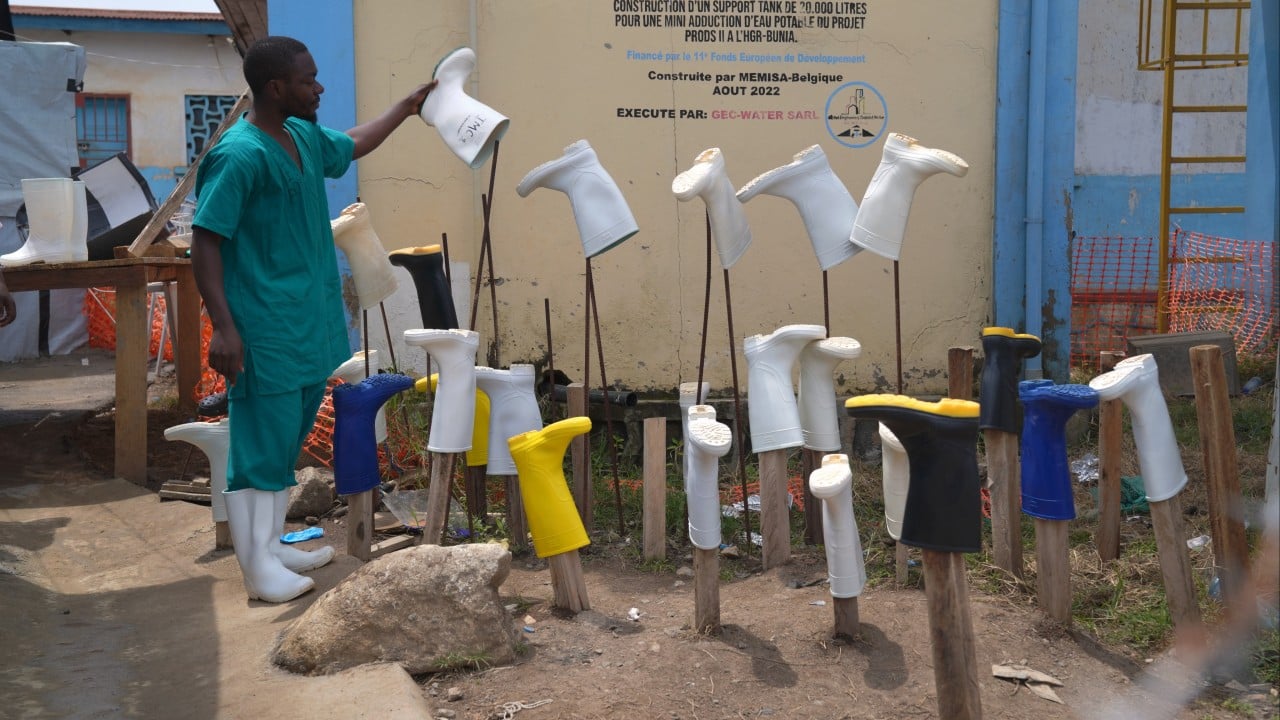
When you combine a highly contagious virus with a complete lack of medical infrastructure, you get a disaster. Health workers are struggling to even reach these villages. Contact tracing becomes a monumental task when you’re operating in zones controlled by different factions. It’s not just about finding vaccines; it’s about physically getting them to where they are needed while dodging conflict.
Why This Outbreak Is Different
Many people assume Ebola is contained once a treatment center is built. That’s a massive misconception. If the community doesn't trust the medical teams, they won't report symptoms. They might hide their sick loved ones out of fear. In previous crises, we have seen that the social response is just as important as the clinical one.
When the local population doesn't feel safe, or when they view outsiders with deep suspicion, transmission chains stay hidden. The virus keeps moving. It’s not just the biological pathogen we are fighting; it’s the lack of trust in official responses.
The Risk Of Regional Spread
The WHO isn't worried about the DR Congo alone. The fear is that the virus will cross borders. We live in a connected world. If the epidemic reaches major urban centers or neighboring countries with higher population density, the scale of the emergency changes instantly.
We saw during the West African epidemic in 2014 how quickly things can escalate once the virus reaches cities. The challenge now is preventing that migration before it happens.
What Actually Needs To Happen
You’re probably wondering if there’s a way out. There is, but it requires a change in strategy.
- Invest in local trust. Stop sending in teams that don't speak the local dialect or understand the customs. We need community leaders, teachers, and religious figures at the forefront of the messaging.
- Improve rapid diagnostic capability. We shouldn't be waiting days for results. If we can't test, we can't isolate.
- Address the security gaps. Health initiatives need to be coordinated with regional stability efforts. You can't perform effective contact tracing in the middle of an active conflict zone without support.
I’ve seen enough of these outbreaks to know that bureaucracy kills more people than the virus itself. We need to cut the red tape. Money must reach the frontline workers immediately, not get stuck in administrative offices in capital cities.
Moving Forward
This isn't a problem that will fix itself in a few weeks. The Ebola virus has proven it can adapt to the chaos of remote, unstable environments better than our current medical systems can. Unless we drastically shift our approach to prioritize community engagement and regional logistical stability, this nightmare will continue to expand.
The goal isn't just to treat the infected. It's to stop the next cluster before it emerges. Pay attention to the reporting from the ground. If you see signs that local health committees are being bypassed by international agencies, that’s a red flag. Success here isn't measured by the amount of funding announced, but by the number of new chains of transmission broken every single day.
Keep a close eye on the border regions in the coming weeks. That’s where the next front of this battle will be won or lost.