You’ve probably seen the headlines today. Moderna and Merck announced that their personalized mRNA cancer vaccine, intismeran autogene, hit its primary goal in a major Phase 3 clinical trial. If you’re like most people, you’re wondering if this is finally the miracle cure we’ve been promised for years.
Let’s skip the corporate spin. Here’s the reality of what just happened. Also making news in this space: Why Breast Cancer Care In Gaza Has All But Vanished.
What Actually Happened With The Vaccine
The trial, known as INTerpath-001, followed over 1,100 patients who had high-risk melanoma surgically removed. These patients were already on Keytruda, an immunotherapy drug that basically takes the "brakes" off the immune system. The researchers added this experimental mRNA vaccine to the mix to see if it could better train the body to hunt down any lingering cancer cells.
The result? It worked. The combination significantly reduced the risk of the cancer returning or causing death compared to taking Keytruda alone. Additional insights into this topic are explored by WebMD.
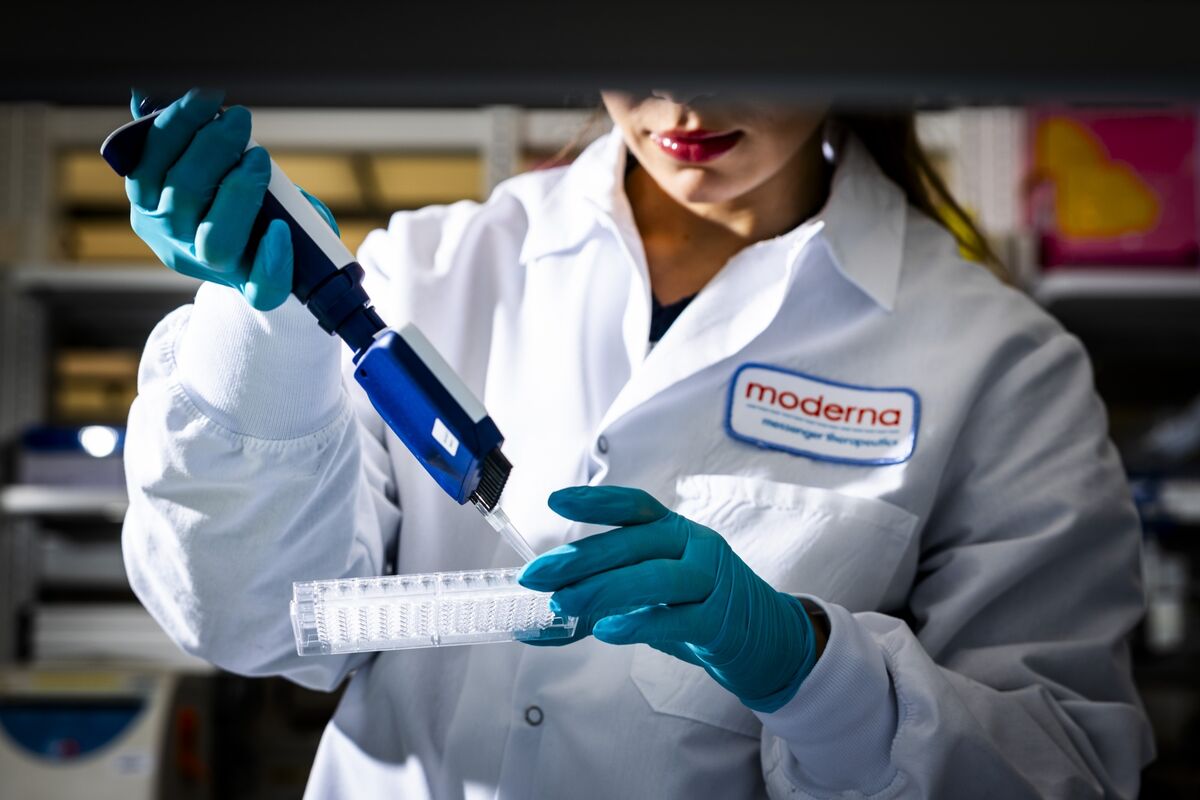
This is a big deal. For years, "cancer vaccine" was a term that mostly existed in theoretical research labs. Now, it’s a clinical reality. We are looking at a treatment that uses the same mRNA platform behind the COVID-19 vaccines, but with a twist: it’s entirely custom-made for the individual.
Why This Is Different From Standard Treatment
Most cancer treatments are "one size fits all." You get the same chemo or the same drug as the person in the next hospital bed. This vaccine throws that model out the window.
The process is fascinatingly personal. Doctors take a sample of your specific tumor. They sequence your DNA to find the exact mutations that make your cancer unique. A computer algorithm then picks up to 34 of those mutations and builds a synthetic mRNA "instruction manual" for your immune system.
When you get the shot, your body starts producing those specific proteins. Your immune system sees them, recognizes them as foreign invaders, and launches a targeted attack. It’s the difference between a blunt hammer and a precision-guided missile.
The Reality Check
Before you get too excited, let’s be clear about the limitations. We haven’t seen the full data yet. While the companies say the results are statistically significant, the peer-reviewed study hasn’t been published, and the public hasn't seen the raw numbers.
Furthermore, this isn't a "cure" in the sense that you take a pill and it’s gone. This is an adjuvant therapy. It’s meant to prevent recurrence in people who have already had their tumors surgically removed. It’s a tool to keep the cancer from coming back, not necessarily a way to shrink an existing, massive tumor.
Also, scaling this is a logistical nightmare. Every single dose is manufactured for one specific person. Think about the production complexity. You need tumor sequencing, algorithm processing, and custom manufacturing for every patient. How do you do that for millions of people? We don’t know yet.
What This Means For You
If you or a loved one are currently dealing with melanoma, don't run to your doctor demanding this vaccine tomorrow. It isn’t FDA-approved yet. However, this result creates a clear path for regulatory filings. Moderna and Merck are moving fast.
The bigger picture is even more interesting. This technology is being tested for other types of cancer, including lung and kidney. If it works for melanoma, there is no reason to think it can’t be adapted for other solid tumors. We are witnessing the beginning of a shift in how we treat cancer—from poisoning the whole body to teaching it how to defend itself.
Keep an eye on the upcoming medical conferences where the full data will likely be presented. That’s when we’ll see if the "clinically meaningful" results translate into the kind of long-term survival rates that change medicine forever.
For now, stay informed and talk to your oncologist about clinical trials if your current treatment plan isn't yielding the results you need. Progress is moving faster than ever. It's happening right now.