Trade talks between Ottawa and Washington just imploded, and Ontario Premier Doug Ford isn't biting his tongue. When 50 percent U.S. tariffs hit billions in Canadian exports, the gloves came off. If you think this is just standard political posturing, look closer at the cross-border supply chains currently taking direct fire.
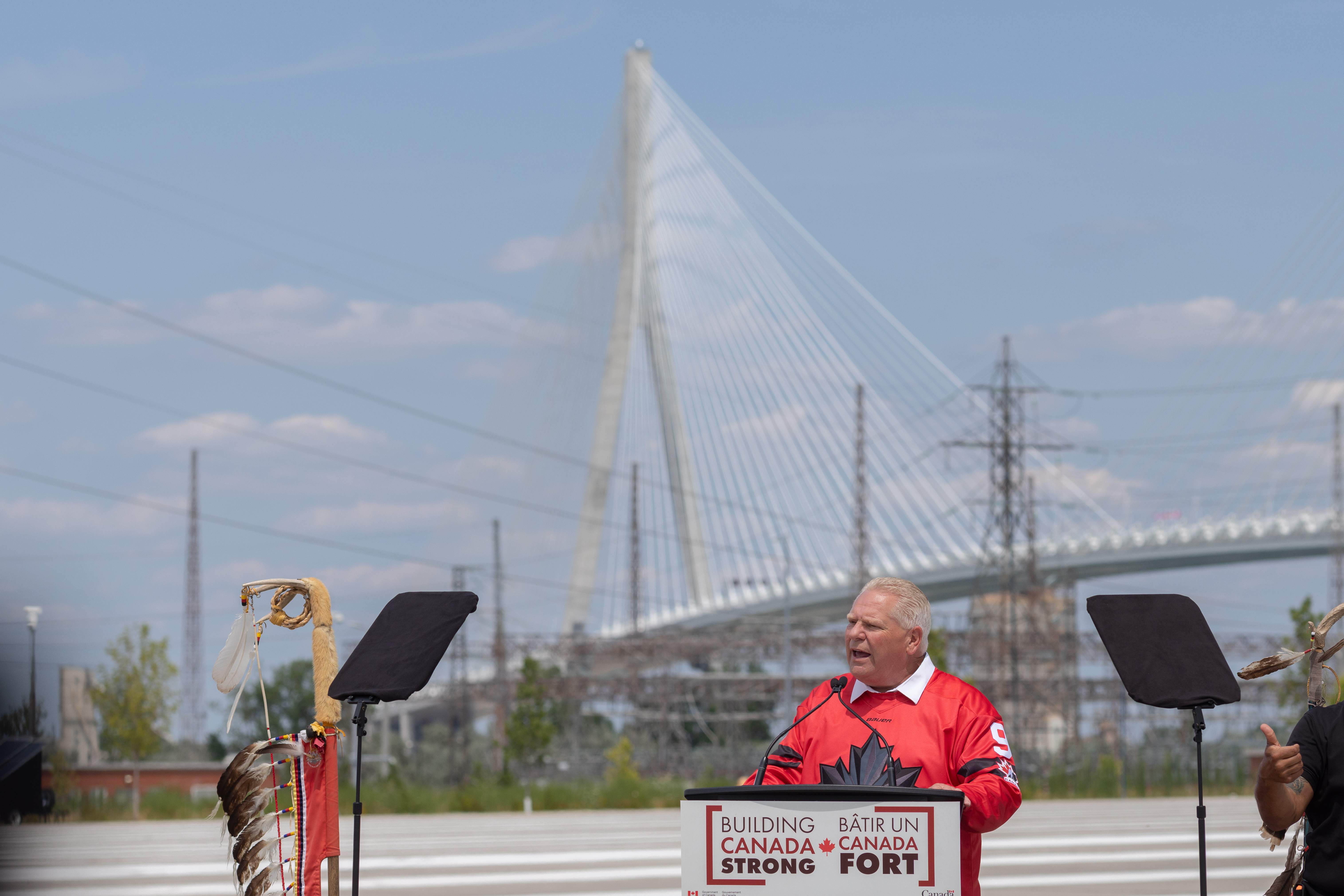
Ford didn't hold back in his recent media rounds. He backed Prime Minister Mark Carney's decision to walk away from a collapsing trade framework, calling the American terms unacceptable. He also argued that Ontario is ready to use critical provincial assets as economic leverage if the White House keeps moving the goalposts.
What Sparked the Latest Escalation
The friction boiled over when bilateral negotiations collapsed right before a crucial deadline. Washington introduced steep 50 percent tariffs on roughly $20 billion to $28 billion worth of Canadian goods. Ottawa responded by pledging dollar-for-dollar retaliatory measures targeting key American exports after Labour Day.
Ford labeled the trade dispute an economic war. He praised the federal government for refusing a bad deal that would have gutted Ontario's core manufacturing, steel, and auto sectors. Workers across the province face immediate uncertainty, which explains why provincial leaders are pushing for a unified Team Canada front.
The Nuclear Options on the Table
Ontario holds cards that Washington cannot easily ignore. Ford explicitly warned that everything remains on the table, including power and natural resources.
- Electricity Exports: Ontario supplies power to roughly 1.5 million customers across Michigan, New York, and Minnesota. During previous trade disputes, the province applied a 25 percent electricity surcharge that caught immediate attention south of the border.
- Critical Minerals: High-grade nickel, uranium, and other minerals mined in Ontario are vital to U.S. defense manufacturing and tech supply chains. Cutting off these exports would force American defense contractors into scramble mode.
- Automotive Integration: Michigan and Ontario assembly lines share parts that cross the border multiple times. Tariffs here disrupt both sides, but U.S. plants rely heavily on integrated Canadian production lines.
Why This Fight Differs From Past Disputes
Previous tariff spats followed a predictable script of quiet diplomacy and minor compromises. This time, the rhetoric is sharper. Ford invoked former U.S. President Ronald Reagan during an interview with The Associated Press, suggesting that a staunch advocate of free trade would be disgusted by current protectionist policies.
Trump's team claims Canada has taken advantage of trade imbalances for years, pointing to domestic manufacturing decline. Yet Canadian officials argue that Washington's demands go beyond normal trade adjustments, touching on cultural protections and restrictions on foreign policy independence.
What Happens Next for Businesses and Workers
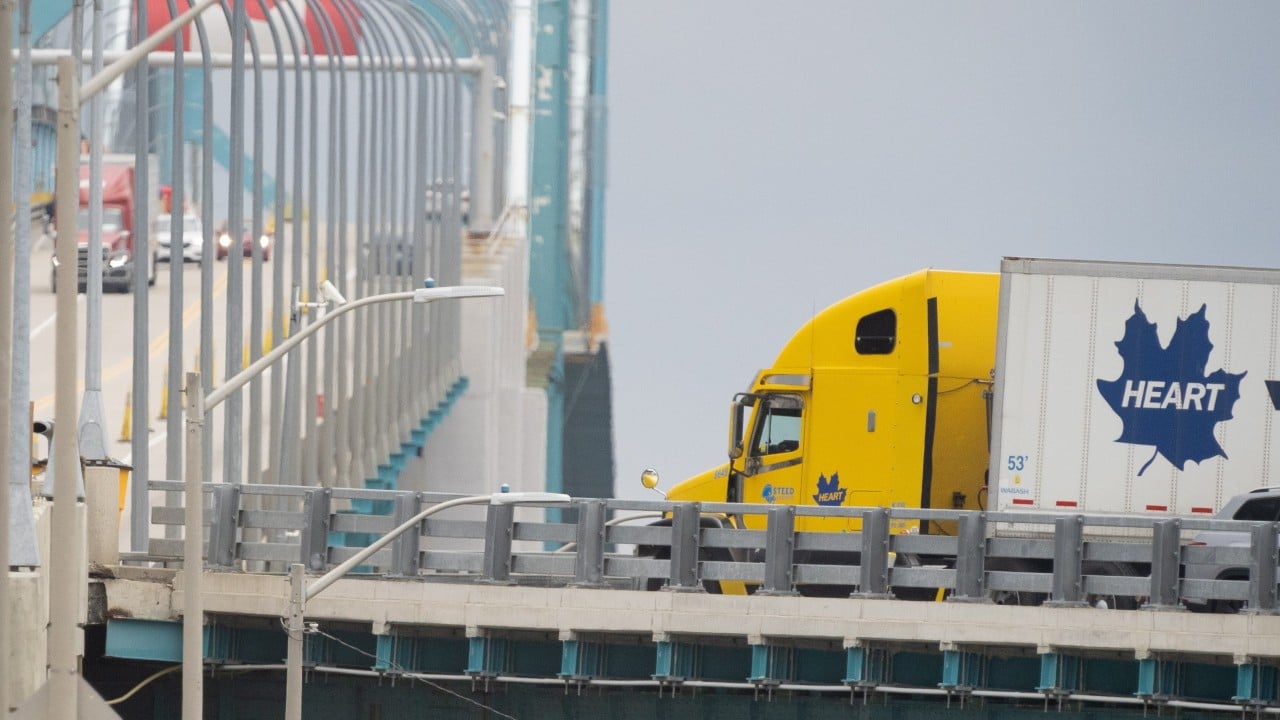
If you run a cross-border business, expect severe friction through the autumn months. Supply chains in the automotive and steel industries must pivot fast. Companies are actively recalculating logistics costs as retaliatory tariffs loom large.
Watch for how federal and provincial governments deploy their promised support funds. Workers need concrete job security, not just political rhetoric. Prepare for higher consumer prices on appliances, electronics, and agricultural equipment once matching tariffs take full effect. Stay agile, protect your supply lines, and assume border delays will get worse before they get better.
Doug Ford Full Remarks: Trump “Can't Be Trusted” as Canada Trade War Escalates
This video provides the full context of Ontario Premier Doug Ford's press briefing regarding the collapse of trade talks and the province's strategy against U.S. tariffs.