You think you just have a typical case of summer food poisoning. You ate a salad, maybe some fresh berries, or a taco loaded with cilantro. Then the stomach cramps start. Within hours, you're running to the bathroom with a case of watery, explosive diarrhea that refuses to stop. Days turn into weeks. You lose weight. You feel totally exhausted.
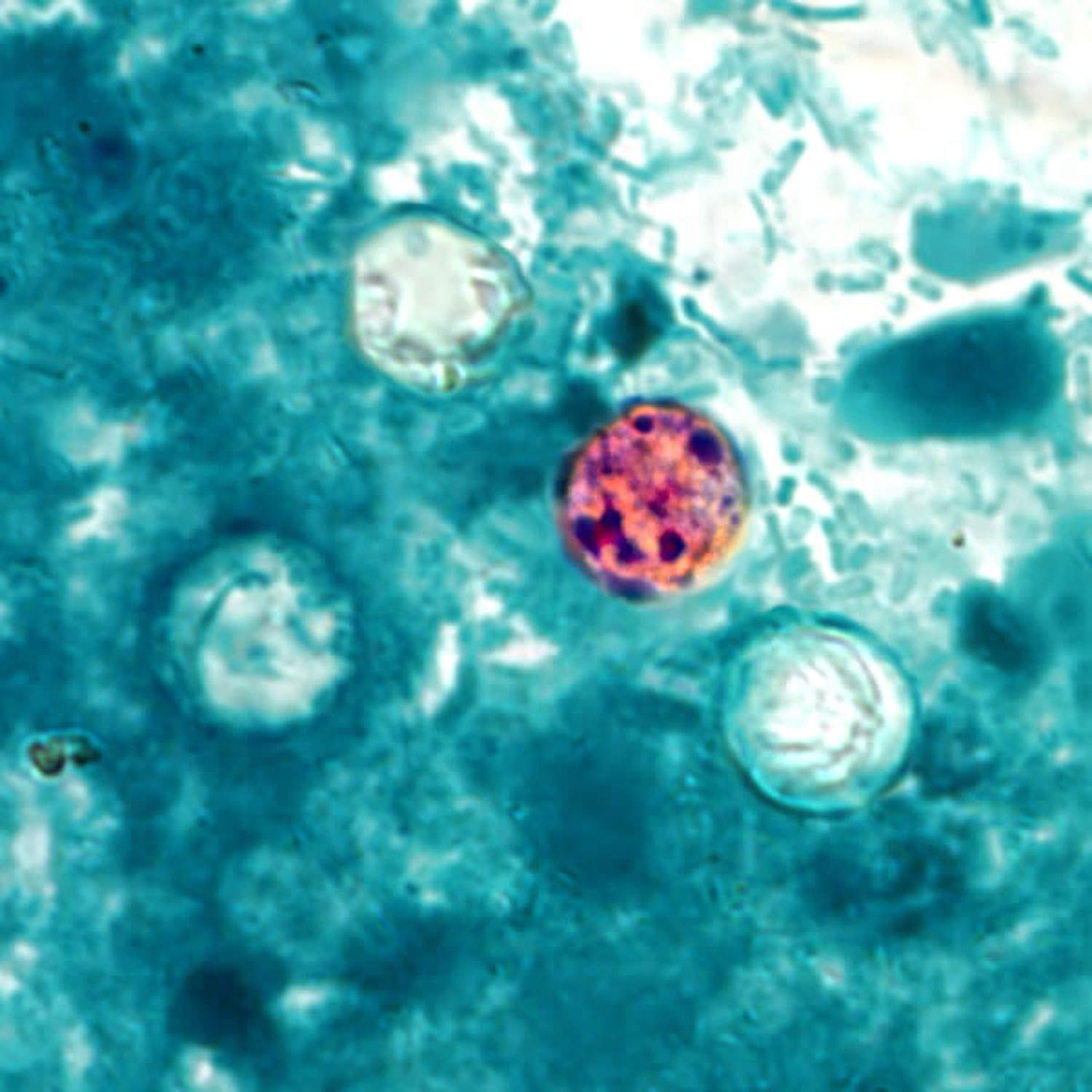
This isn't a normal 24-hour stomach bug. It's cyclosporiasis, an intestinal illness caused by a microscopic parasite called Cyclospora cayetanensis. Right now, cases are quietly skyrocketing across the United States.
Official data from the Centers for Disease Control and Prevention (CDC) shows hundreds of confirmed domestic cases spread across more than 30 states. But that's just the tip of the iceberg. The real situation on the ground is much worse. Local health departments are overwhelmed. In Michigan alone, health officials reported more than 1,200 cases—massively outpacing their typical yearly average of just 50 cases. Neighboring Ohio has logged hundreds more, with a massive cluster centered right around the state line.
Public health experts are scrambling. They don't know exactly what food is causing it. They don't know which grocery stores or restaurants served it. Worst of all, the systems we rely on to track these outbreaks are lagging badly behind the actual spread.
The Reality Behind the Summer Parasite Surge
Cyclospora isn't a new threat, but the scale of the current outbreak is catching people off guard. The parasite thrives in warm weather, making May through August prime time for infections.
The CDC surveillance numbers always tell a delayed story. While federal charts might show under a thousand officially confirmed domestic cases, state data reveals thousands of additional cases under analysis. The lag happens because diagnosing a parasitic infection takes time, and tracking it across state lines is surprisingly clunky.
This isn't a problem limited to one region. Cases have popped up from Florida to New York, and all the way out to Texas and Wisconsin. The vast majority of these people didn't travel internationally before getting sick. They caught it right here at home, eating everyday items from local grocery stores, salad bars, or restaurants.
Why Public Health Officials Cannot Stop the Spread
It feels like we should be better at this. We have advanced technology and massive regulatory agencies. Yet, whenever a Cyclospora outbreak hits, investigators end up playing a frustrating game of catch-up.
There are a few reasons why this parasite leaves experts completely stumped.
The Lab Problem
You can't grow Cyclospora in a laboratory petri dish. With bacterial outbreaks like Salmonella or E. coli, scientists can easily culture the bacteria, sequence its DNA, and match it to a specific food source or farm. Cyclospora doesn't work that way. Because technicians can't reproduce the parasite in a lab, drawing concrete genetic evidence from a contaminated piece of lettuce or bunch of herbs is incredibly difficult.
The Disappearing Evidence
The incubation period for cyclosporiasis is long. It usually takes about a week—sometimes up to 14 days—after eating the contaminated food for symptoms to appear. Think back to what you ate exactly nine days ago. Do you remember every ingredient in your lunch? Probably not. By the time a patient feels sick enough to see a doctor, gets tested, and talks to a health inspector, the contaminated food is long gone. It was eaten or thrown away weeks ago.
The Ingredient Mix-Up
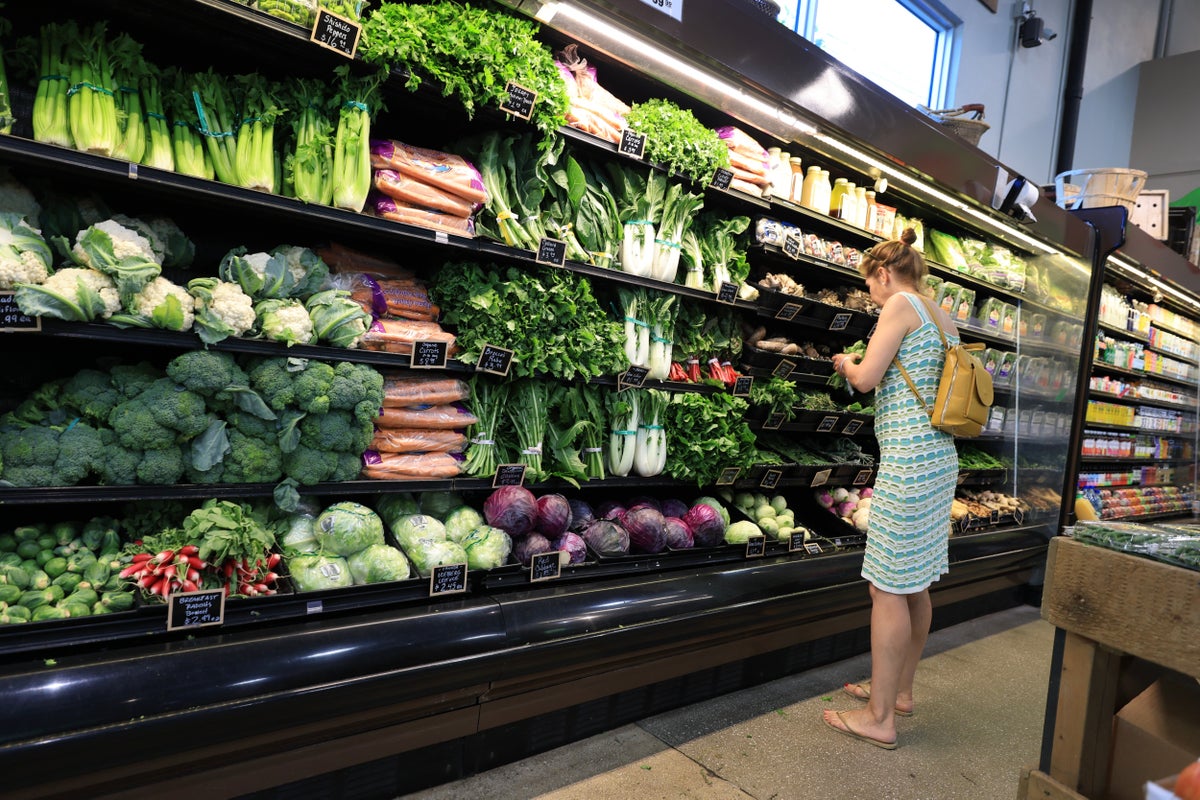
Past outbreaks have been linked to fresh produce like basil, cilantro, mesclun lettuce, and raspberries. Think about how these items are distributed. A single processing plant might buy cilantro from five different farms, chop it all up, mix it together, and ship it to hundreds of restaurants and grocery chains. Pinpointing the exact farm of origin becomes a supply-chain nightmare.
The Symptoms You Cannot Ignore
A lot of people mistake Cyclospora for a standard bout of stomach flu or standard food poisoning. That is a mistake. Norovirus usually burns itself out in 24 to 48 hours. Cyclospora does not.
The defining symptom is frequent, highly intense, watery diarrhea. It can come and go in waves, tricking you into thinking you are finally getting better, only to return violently a day later.
Along with the severe diarrhea, infected individuals often experience:
- Intense abdominal cramps and bloating
- Extreme, prolonged fatigue that leaves you bedridden
- Loss of appetite and rapid weight loss
- Persistent nausea and occasional vomiting
- Low-grade fever and body aches
If left untreated, these symptoms can persist for weeks, or even months. The constant fluid loss puts patients at a massive risk for severe dehydration. This is especially dangerous for young children, older adults, and anyone with a compromised immune system. Dozens of people have already been hospitalized during this current spike simply because their bodies couldn't keep up with the fluid loss.
Why Washing Your Produce Won't Fully Protect You
The standard advice for avoiding foodborne illness is always the same: wash your fruits and vegetables. While that's generally good practice, it's not a silver bullet against Cyclospora.
The parasite enters the food supply when produce is grown in fields or washed with water that has been contaminated with human feces. Once the parasite sticks to the surface of a leaf of cilantro or the rough skin of a berry, it's incredibly difficult to wash off. It has a sticky outer shell that resists standard chemical sanitizers and routine rinsing with tap water.
The parasite doesn't spread directly from person to person. When an infected person passes the parasite in their stool, those parasites actually need days or weeks out in the environment to mature and become infectious to someone else. You won't catch it from shaking hands with someone who has it, or even caring for a sick family member. You get it directly from the contaminated food source.
What To Do If You Get Sick
Most standard medical tests for food poisoning do not look for Cyclospora. If you go to an urgent care clinic and provide a standard stool sample, they will likely check for common bacteria like Salmonella or Campylobacter. They will completely miss this parasite unless your doctor specifically orders a gastrointestinal pathogen panel or a specialized stool examination for ova and parasites.
If you've had watery diarrhea for more than a few days, you need to be direct with your healthcare provider. Tell them about the ongoing national outbreak. Demand a specific test for Cyclospora.
Getting a correct diagnosis matters because typical over-the-counter anti-diarrheal medications won't cure the infection. Common antibiotics used for bacterial food poisoning don't touch it either. Cyclosporiasis requires a specific, 10-day course of an oral antibiotic combination called trimethoprim-sulfamethoxazole, widely known by the brand names Bactrim or Septra.
Actionable Steps for Safety Right Now
Since health officials haven't recalled a specific product yet, protecting yourself requires changing how you handle fresh food during the peak summer months.
- Cook your herbs and greens: Heat kills the parasite. If you're worried about the current spike, skip raw cilantro, raw basil, and uncooked bagged salads for the next few weeks. Sauté your greens and stir your herbs into hot dishes instead of using them as raw garnishes.
- Be cautious at salad bars: Buffets and salad bars mix large quantities of produce from various batches. If one batch of lettuce or raw veggies is contaminated, it can easily taint everything else in the tray.
- Scrub firm produce: For fruits and vegetables with firm surfaces, like melons or cucumbers, use a clean vegetable brush to physically scrub the exterior under running water before cutting into them. This prevents your knife from dragging any surface parasites through the flesh of the food.
- Track what you eat: Keep a basic food log or save your grocery receipts. If you do happen to fall ill, having an exact record of what fresh items you bought and where you bought them can help local health investigators find the source faster.
- Prioritize hydration: If you start showing symptoms, don't just drink plain water. Use oral rehydration solutions or electrolyte-packed beverages to counteract the severe fluid loss while you wait to see a doctor.