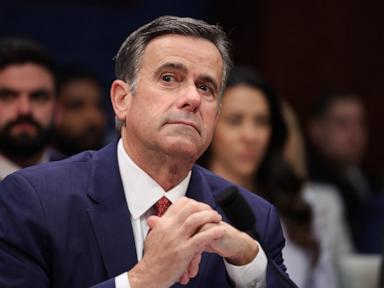
Secret diplomatic flights rarely stay secret for long. When a United States Air Force transport jet touched down in Moscow, global intelligence circles immediately recognized that high-stakes backchannel diplomacy was underway. CIA Director John Ratcliffe didn't fly into the Russian capital for pleasantries. Multiple sources confirmed that his primary objective was delivering a blunt, uncompromising message to Russian intelligence officials: do not test NATO.
This unannounced visit exposes a growing anxiety inside Western intelligence. Washington is increasingly convinced that Moscow might miscalculate and push boundaries beyond the borders of Ukraine, risking a much wider conflagration.
Decoding the Moscow Mission
Why send the head of the CIA to Moscow instead of relying on traditional diplomatic channels? Because conventional diplomacy has stalled. U.S. intelligence assessments flagged a disturbing pattern of behavior. We are looking at repeated hybrid operations, cyberattacks, localized sabotage across Europe, drone incursions into Romania, and missiles drifting into Polish airspace.
These incidents aren't random accidents. They look like deliberate stress tests. Moscow wants to see how the alliance reacts to provocations that sit just below the threshold of a conventional military invasion.
Ratcliffe's message aimed to strip away any ambiguity. The White House wanted Russian leadership to understand that testing alliance unity or launching proxy operations against member states like Estonia or other eastern flank allies will trigger a severe and direct response. President Trump later downplayed the trip as "semi-routine" during a media appearance, but the sheer logistics of moving a CIA director secretly into enemy territory tell a different story.
The Ukraine Pause and the Wider Middle East Chessboard
You cannot look at this Moscow visit in isolation. The timing overlapped with a delicate military pause. Washington asked Ukrainian leadership to hold off on drone and missile strikes targeting Moscow and other Russian urban centers while the U.S. delegation was on the ground. Kyiv agreed to a brief standstill, showing how tightly coiled tensions are right now.
At the same time, Ratcliffe expanded the agenda beyond European security. He also confronted Russian officials regarding Iran. With shipping lanes choked and global markets jittery, the U.S. intelligence chief warned Moscow about crushing secondary sanctions if the Strait of Hormuz is not reopened to commercial shipping traffic. Moscow and Tehran have deepened military and intelligence ties, sharing drone technology and regional intelligence. By linking European security warnings directly to Middle Eastern shipping lanes, Washington signaled that it views these theaters as interconnected fronts.
What Happens Next
The Kremlin quickly pointed out that Ratcliffe did not meet directly with Vladimir Putin, choosing instead to hold talks with Russian intelligence counterparts. That detail matters. It suggests the visit was functional and operational rather than political theater. It was a message dropped directly on the desks of the people who plan intelligence operations and hybrid warfare.
Will this stop the probing? Probably not entirely. Moscow loves operating in the gray zone, pushing boundaries until it hits a brick wall. But by making this trip public through leaks and media reports, the U.S. has removed the element of quiet deniability. Russia knows the red lines have been drawn in absolute terms. Keep an eye on eastern European border security and cyber defense logs over the next few weeks. That is where you will see whether the warning actually landed.