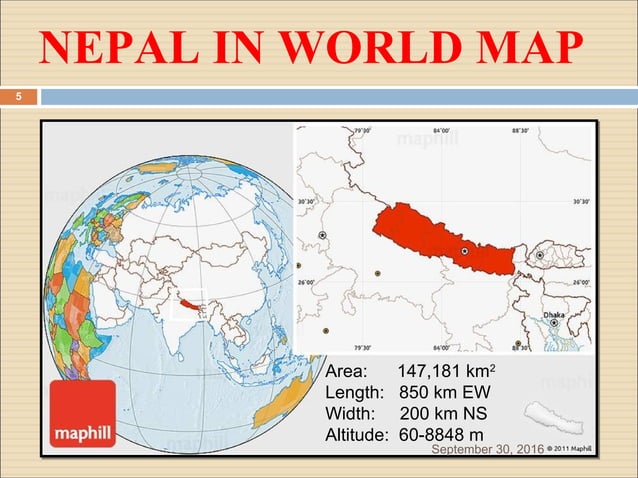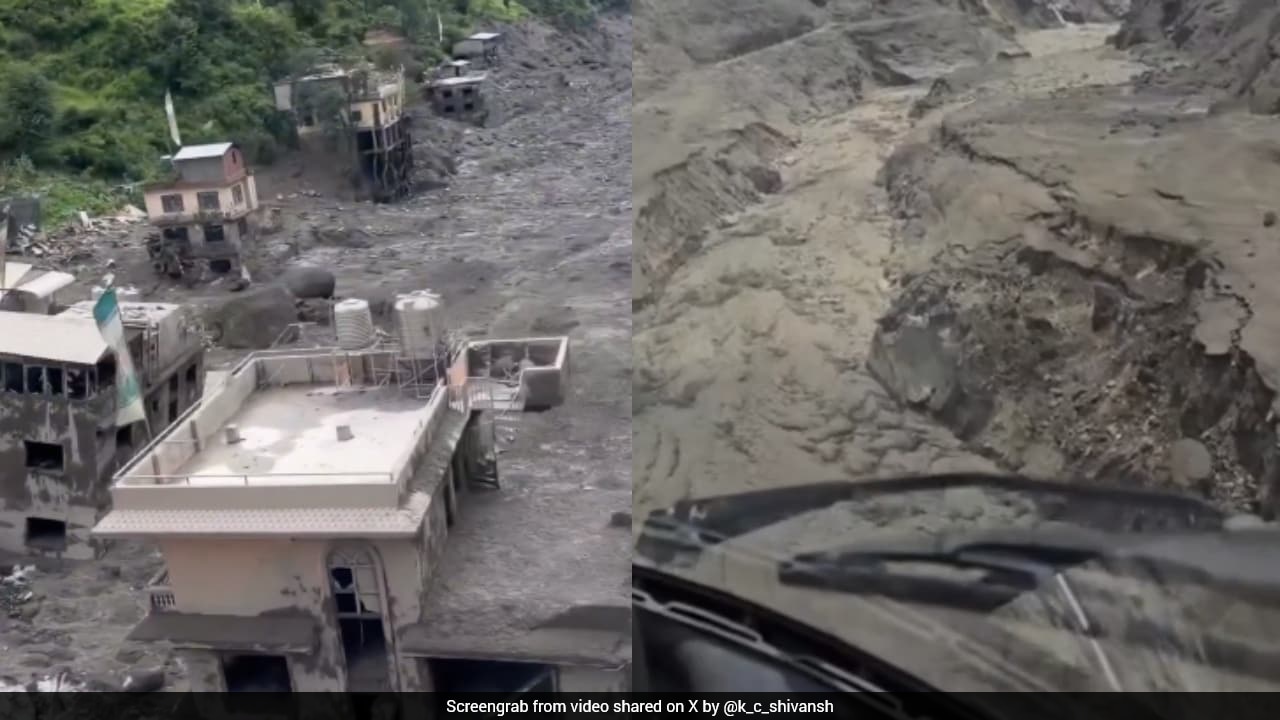
When you look at the aerial footage coming out of Nepal right now, you don't just see muddy water. You see entire river valleys rewritten in a matter of minutes. The devastating flash floods tearing through the Bhote Kosi and Trishuli river basins haven't just damaged infrastructure—they've completely erased settlements, turning vibrant local communities into barren landscapes of sludge and debris.
Over 160 people are confirmed dead, hundreds remain missing, and rescue operations by the Nepali Army are struggling against massive walls of mud. But focusing solely on the rising water misses the actual mechanical horror of what happened. This disaster wasn't born from a routine monsoon overflow. It started miles away high up in the mountains when a massive wall of mud, ice, and rock collapsed from the banks of the Lhende River near the China border.
The Myth of Normal Monsoons
Most people assume these catastrophic valley floods are just extreme versions of heavy seasonal rain. They aren't. US monitors and geological experts have confirmed that the trigger was a catastrophic glacier and slope collapse. When millions of tons of frozen debris give way upstream, it acts like an earthen dam breaking, sending an unstoppable wall of slurry barreling down steep mountain gorges.
By the time the water hit districts like Rasuwa and Nuwakot, it carried enough kinetic energy to snap concrete bridges like toothpicks and swallow entire buildings.
- Traditional flood warnings rely on measuring rainfall accumulation over days.
- Glacier collapses happen instantly without giving downstream villages hours to prepare.
- River systems like the Trishuli become high-speed conveyor belts for boulders and silt.
If you are tracking disaster response, you quickly realize standard early-warning systems are broken. Sirens tied to rainfall gauges are completely useless when the threat is a sudden high-altitude avalanche of ice and mud dropping straight into a river channel.
The Human Toll and Missing Pilgrims
The human cost of this disaster extends far beyond local residents. Among the hundreds missing are a large number of Indian pilgrims traveling through the region. Rescue teams are finding that familiar landmarks have vanished entirely. Roads used for decades are now buried under twenty feet of heavy grey sediment.
Helicopters are pulling survivors from isolated pockets of land, but countless areas remain completely cut off. The International Federation of Red Cross and Red Crescent Societies has pointed out that entire market hubs have simply ceased to exist.
What Comes Next for Mountain Communities
We need to completely rethink how we build near Himalayan river corridors. Sitting back and calling these events "once-in-a-century anomalies" is a dangerous cop-out. As global temperatures continue to alter high-altitude permafrost and glacial stability, these sudden outbursts will happen again.
Governments must stop approving infrastructure projects in high-risk gorge zones without installing upstream seismic and ice-movement sensors. Until we treat glacial destabilization as an active, ticking hazard rather than a distant climate abstract, aerial videos of wiped-out villages will keep becoming our grim new normal.