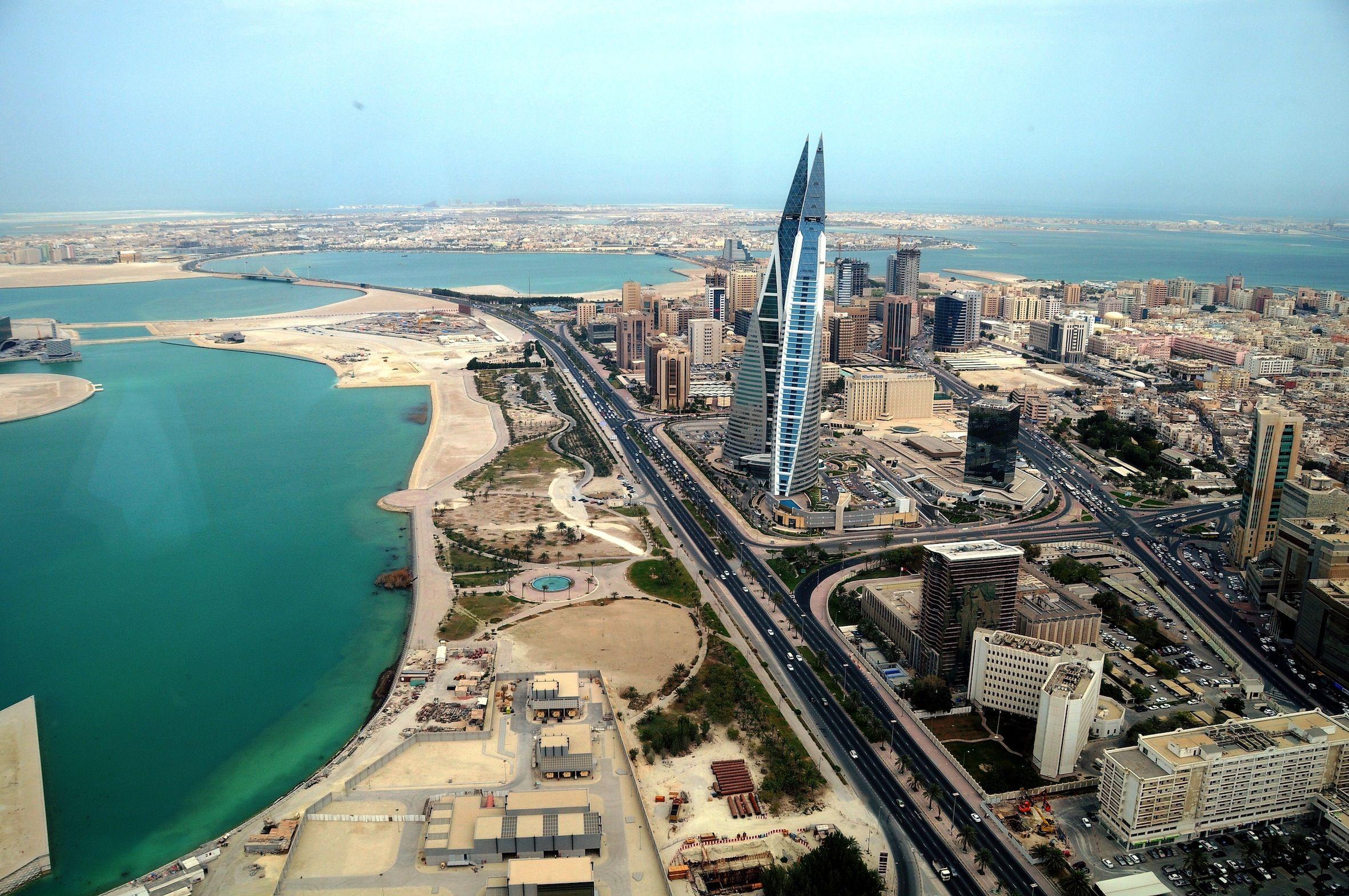
Geopolitical lines in the Gulf are hardening fast. While regional diplomats scramble to keep vital maritime trade flowing, Bahrain has drawn a hard boundary. Manama announced it will not join any collective ministerial meeting involving Iran to discuss the Strait of Hormuz until bilateral diplomatic ties are officially restored.
You need to understand what's driving this hardline stance. It's not just a diplomatic snub. It's a calculated reaction to persistent threats against critical infrastructure across the region. Don't forget to check out our recent article on this related article.
The Breaking Point Behind the Boycott
When Iran proposed a ministerial gathering in Oman to brief Gulf nations and Iraq on maritime security and transit lanes through the Strait of Hormuz, Tehran framed it as a gesture of good faith. But Bahrain saw things differently.
Manama's Ministry of Foreign Affairs issued a sharp statement rejecting what it termed a "policy of appeasement." The kingdom pointed directly to recent attacks targeting civilian and economic assets—including strikes on a local ammonia tank and drone assaults on regional energy pipelines—as proof that security cannot be bought through quiet diplomacy while threats remain active. If you want more about the background here, TIME offers an in-depth breakdown.
Bahrain severed diplomatic ties with Iran back in 2016 during a previous regional crisis. While other Gulf powers like Saudi Arabia reestablished formal channels with Tehran in recent years, Bahrain has kept its distance.
Why the Strait of Hormuz Matters Right Now
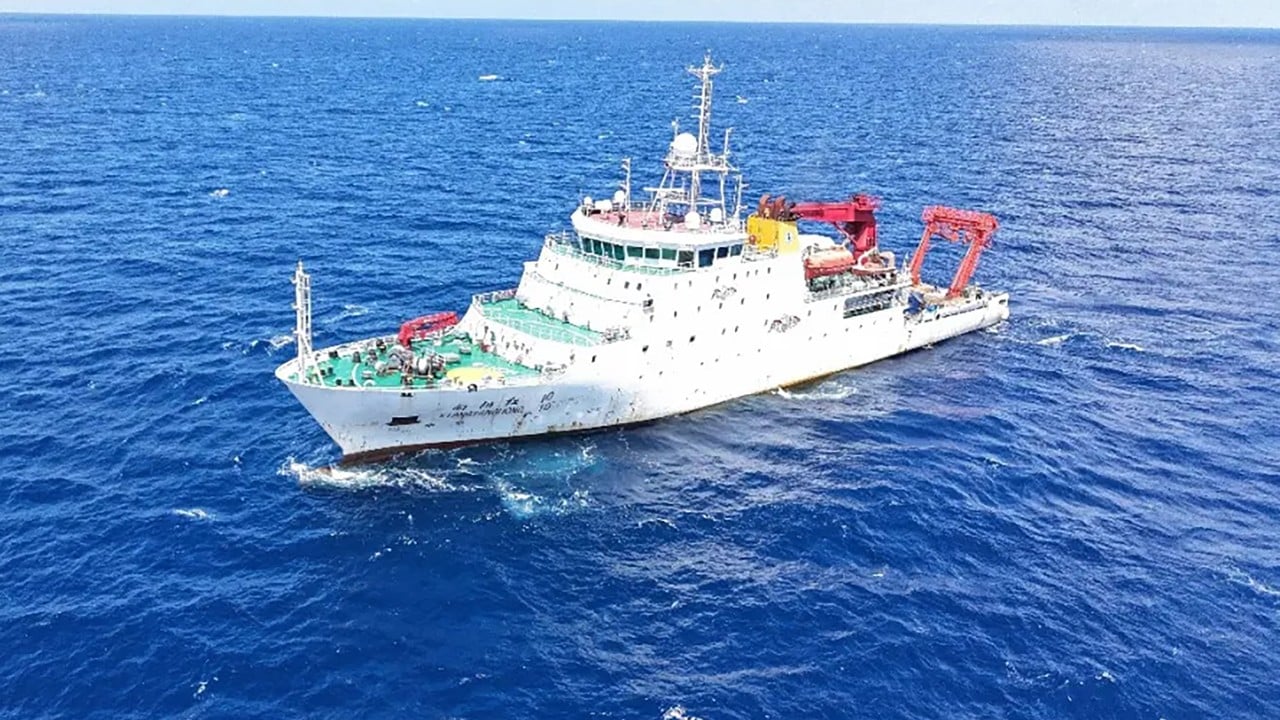
The Strait of Hormuz remains a central flashpoint. Roughly a fifth of global oil and gas passes through this narrow maritime corridor. But current tensions, fueled by ongoing conflicts and blockades, have turned the waterway into a high-risk zone for commercial shipping.
Iran wants international recognition of its control over the strait, which includes demands to levy fees and issue permits for ships navigating the corridor. Washington and several regional actors reject these conditions outright. Oman has attempted to mediate temporary transit agreements, but cooperation remains fractured.
Bahrain insists that any genuine stability requires four non-negotiable pillars:
- A complete halt to all hostile attacks.
- International accountability and compensation for damages.
- Strict respect for state sovereignty, banning the use of territories as launchpads for aggression.
- Resolving disputes strictly through legal channels.
What Happens Next for Gulf Security
Manama isn't just sitting out of talks; it's actively shifting the diplomatic battlefield to international forums. Bahrain's foreign minister is chairing a United Nations Security Council Arria-formula meeting focused on protecting freedom of navigation and securing critical maritime chokepoints like Hormuz and the Bab al-Mandab Strait.
If you're watching Middle Eastern energy markets or maritime logistics, don't expect a quick diplomatic breakthrough. Regional security is fracturing into bilateral camps. Until basic security guarantees and formal recognitions are met, key players like Bahrain refuse to play along with Tehran's multilateral proposals.
Check out this Bahrain Won't Attend Iran-Gulf Negotiations on Hormuz video for further context on the breakdown of diplomatic talks in Oman.
http://googleusercontent.com/youtube_content/1