International law just ran headfirst into raw geopolitical reality. When the Permanent Court of Arbitration in The Hague ruled that India cannot unilaterally suspend the 1960 Indus Waters Treaty, it issued a clear legal verdict. But New Delhi didn't even blink. India dismissed the tribunal as an illegally constituted body and refused to play along, leaving the future of South Asia's most crucial water-sharing agreement hanging by a thread.
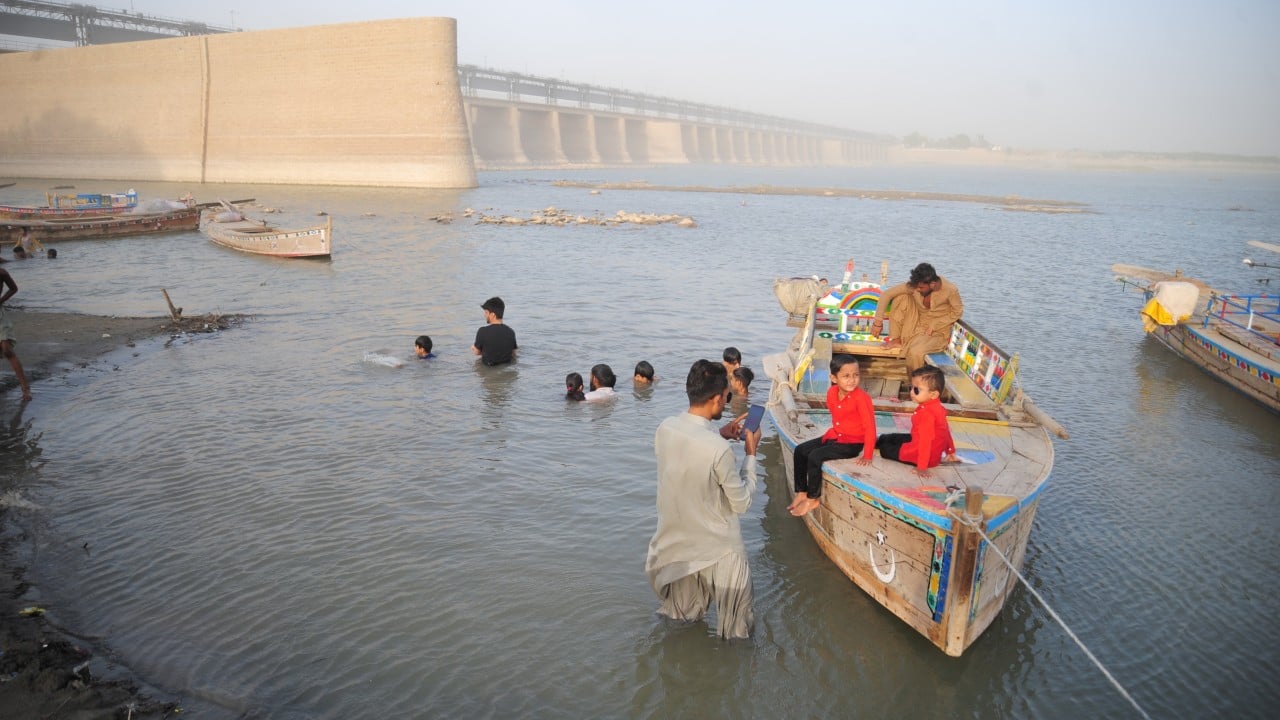
If you are trying to understand why this water dispute matters right now, the answer comes down to survival. Millions of people across the region rely on the Indus basin for drinking water and agriculture. When nuclear-armed neighbors stop talking and start treating shared rivers as diplomatic leverage, the stakes stop being theoretical. You might also find this similar article insightful: Why Russia's Strike Near The Polish Border Changes The Calculus For Nato.
Why New Delhi Pulled the Plug
To grasp how we got here, look back at April 2025. Following a deadly militant attack on tourists in Indian-administered Kashmir, New Delhi announced it was placing the historic Indus Waters Treaty in abeyance. The message was blunt. India argued that cross-border terrorism made normal bilateral cooperation impossible, signaling that cross-border pacts shouldn't survive when security collapses.
Islamabad panicked, and rightly so. Pakistan applied to the Permanent Court of Arbitration to challenge India's move, arguing that a foundational treaty governing the Ravi, Sutlej, Beas, Indus, Jhelum, and Chenab rivers cannot just be tossed aside on a whim. As discussed in recent reports by NPR, the implications are widespread.
The tribunal agreed with Pakistan on every single count. The five-member court ruled that the treaty contains no clause allowing unilateral suspension, dismissing India's arguments regarding national sovereignty, climate change, and security concerns. The court even slapped temporary restrictions on India's Ratle hydroelectric project on the Chenab river, prohibiting concrete work above specific levels until a World Bank-appointed neutral expert delivers a final verdict.
The Core Problem With International Rulings
Here is what global legal analysts often miss: a court ruling only works if both parties recognize its authority. India boycotted the entire proceeding in The Hague, maintaining that the tribunal violates the structural framework of the original treaty, which relies on a dual-track system involving neutral experts and arbitration.
Because New Delhi refuses to acknowledge the jurisdiction of the court, the legal victory in The Hague gives Islamabad moral weight on the world stage, but very little practical control on the ground. India is the upper riparian state. The rivers flow from or through Indian territory before reaching Pakistan. Without cooperation, data sharing, and joint site inspections—which have basically stalled out since 2022 and 2023—Pakistan is left flying blind on water flow management.
What Comes Next for the Indus Basin
The standoff is not going away anytime soon. The World Bank-backed neutral expert proceedings on the Ratle project are expected to run until mid-2027. Until then, construction limitations ordered by The Hague will sit at the center of a bitter diplomatic tug-of-war.
Meanwhile, hydrologists point out that the 1960 treaty was built for a different era. Exploding populations, outdated water management strategies, and severe climate fluctuations mean the Indus basin is already straining under demands the original drafters never imagined. When neither side is willing to compromise, legal wins and diplomatic boycotts only lock both countries deeper into a permanent crisis.
Watch the ground realities on the rivers closely over the next year. Treaties survive on mutual trust, and right now, that trust is entirely gone.
Hague Verdict on Indus Waters Treaty Explained
This video breaks down the Hague ruling on the Indus Waters Treaty, the controversy over the Ratle project, and what the legal deadlock means for regional water security.
http://googleusercontent.com/youtube_content/1