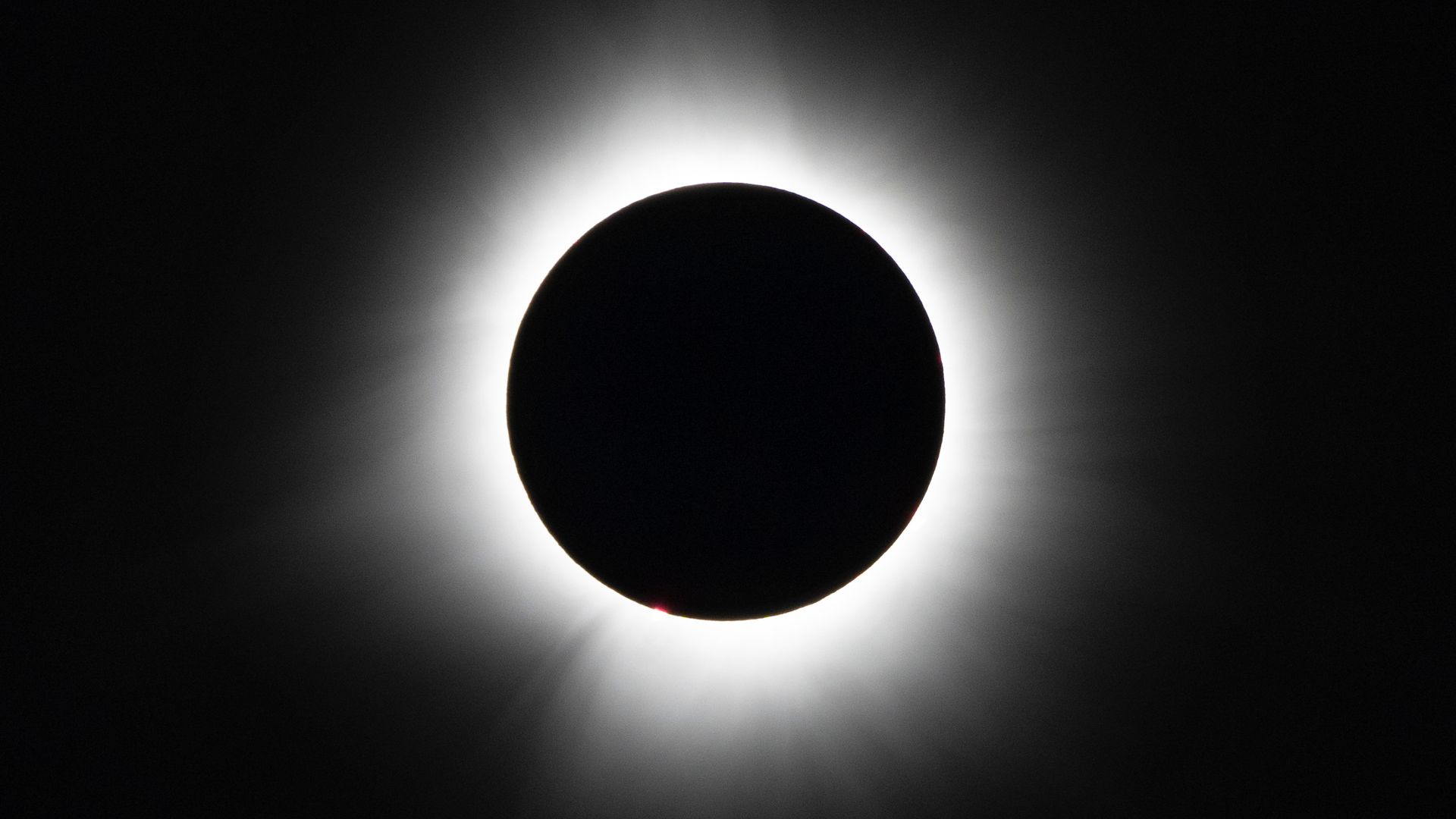
You are looking at the calendar for August 12, 2026, and wondering if the hype about the upcoming solar eclipse is real. It is. For millions of people across Europe and parts of the Northern Hemisphere, this marks the first major solar spectacle in nearly three decades. If you missed the famous 1999 alignment, this is your chance to redeem yourself.
Forget sitting indoors or glancing casually out an office window. This event happens late in the day for European observers, meaning the geometry of the sunset lines up to create a dramatic visual setup. Let's look past the generic astronomy headlines and break down where you actually need to stand to witness the best views. You might also find this related coverage insightful: Why Skechers Are Actually The Secret Weapon For Walking Europe.
The Path of Totality Explained
If you want the full experience—where the moon completely swallows the sun and day turns to an eerie twilight—you have to get inside the narrow path of totality. For this specific event, that path slices across some dramatic terrain.
It starts near the Arctic, clips Greenland and Iceland, and then sweeps down into northern Spain and parts of the Balearic Islands. As highlighted in recent articles by The Points Guy, the implications are significant.
- Greenland and Iceland: Expect the shadow to hit in the late afternoon or early evening. Weather is always a wild card here, but the rugged landscapes provide an incredible backdrop.
- Spain: This is the jackpot for most travelers. Cities like Bilbao, Zaragoza, Valladolid, and Valencia sit squarely in the path of totality.
If you are staying in Madrid or Barcelona, you are close, but you are not quite there. Both cities will experience a massive partial eclipse—around 99%. Do not let that high percentage fool you into thinking you are safe to stay put. A 99% partial eclipse and a 100% total eclipse feel completely different. Without totality, you miss the corona and the sudden drop in temperature. Rent a car, drive the short distance into the path of totality, and thank yourself later.
What to Expect If You Are Staying in the UK and Ireland
You won't get totality if you are watching from London, Cardiff, Edinburgh, or Dublin. Instead, you are getting a deep partial eclipse where roughly 90% to 95% of the sun is blocked.
The maximum phase happens right around the early evening hours, just as the sun begins its descent toward the horizon. Because the sun is low, you need to ditch any spot blocked by city buildings or dense tree lines. Find a high hill, an open coastline, or a park with an unobstructed view of the western horizon.
Keep your expectations realistic. The sky won't pitch black like midnight. It will look and feel like a heavy, strange dusk or a very thick cloud cover rolled in right before sunset.
Weather Risks and How to Beat Them
Planning travel around an eclipse means gambling with meteorology. Local forecasts point to parts of Spain and Portugal holding the highest statistical probability of clear, cloudless skies. Northern Europe always carries a higher risk of late-day cloud interference.
If you are heading to Spain, monitor regional wildfire smoke patterns as the date approaches, as hazy air can dull the sharpness of the horizon views. Being mobile is your best defense. Do not lock yourself into a single viewing spot days in advance if satellite maps show a storm system creeping your way.
Essential Safety Gear You Cannot Ignore
People always underestimate eye safety during a partial eclipse. Because the sun is never fully covered in places like London, New York, or Madrid (if you stay in the center), you cannot take off your certified solar viewing glasses at any point during the peak.
Standard sunglasses—even dark ones stacked three deep—do not offer enough protection. Buy ISO-certified eclipse glasses ahead of time. Cheap knockoffs flood the market right before major celestial events, so order from reputable astronomy retailers or museum shops.
Plan your transit home now. Millions of travelers will crowd Spanish highways and rural roads immediately after the final sliver of the eclipse passes. Pack extra water, keep your fuel tank full, and stay ahead of the traffic rush.