Conservation usually fails because it ignores economics. Tell villagers to stop cutting down trees while they struggle to feed their families, and the trees eventually disappear. But give people a reason to keep the forest alive, and the chainsaw stays silent.
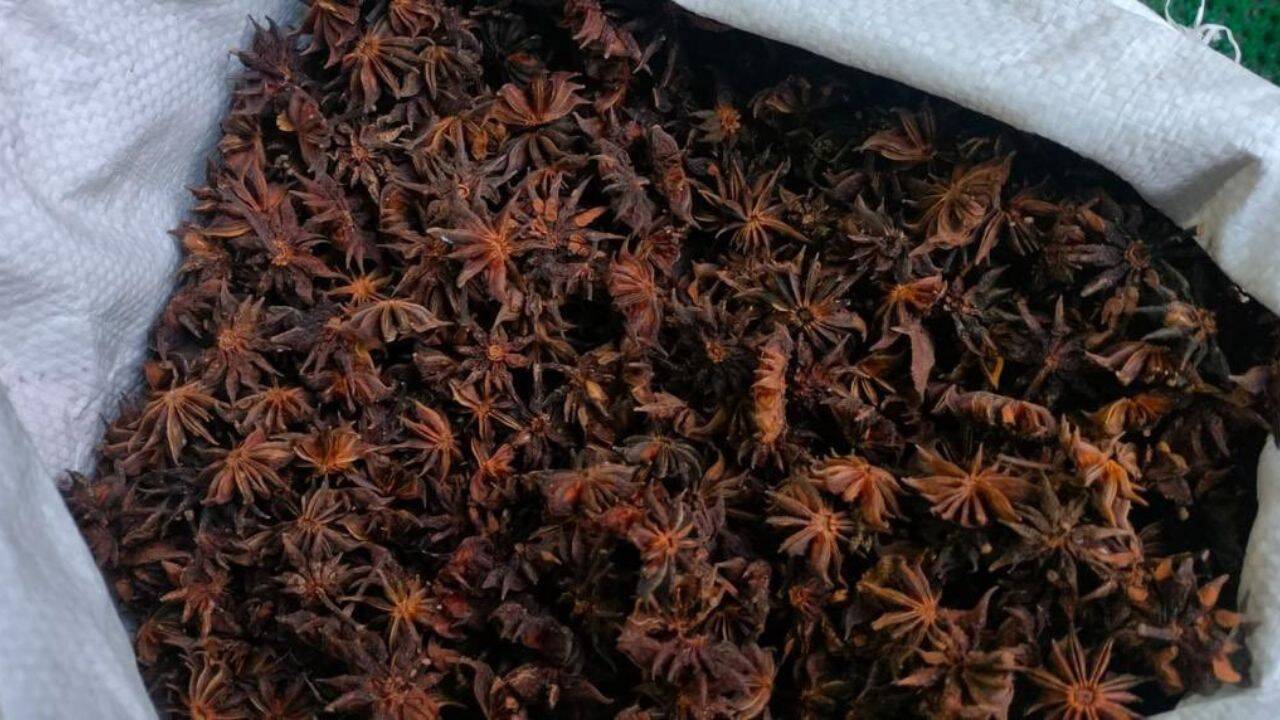
In the rugged terrain of Arunachal Pradesh’s West Kameng district, a thorny shrub is rewriting the rules of environmental protection. Known locally as Khagi, Erma, Shyein, or Yarma—scientifically identified as Zanthoxylum—this wild Himalayan spice produces a tiny fruit that leaves a sharp, citrusy punch and a numbing tingle on the tongue. For generations, tribal kitchens used it to season meat curries and local chutneys. Today, that exact flavor is protecting 100 square kilometers of natural habitat while bringing in a cash turnover of Rs 39 lakh.
The Shift From Random Foraging to Organized Trade
For decades, the economy around this native spice was messy. Families went into the woods during autumn, picked the wild shrub from abandoned fields or forest edges, and sold small portions to middlemen from Guwahati or Tezpur. Prices fluctuated wildly. Worse still, only the outer husk mattered to commercial buyers, meaning the seeds were tossed aside as useless waste.
Everything shifted when local communities decided to organize. Working alongside institutional frameworks like WWF India, villagers built a collective model for harvesting, drying, and marketing the spice. They secured direct supply channels with major corporate buyers like Dabur India. Crucially, this unlocked a market for both the husk and the seeds, turning what used to be waste into extra income.
Between 2024 and 2026, households harvested more than 10 metric tonnes of Zanthoxylum. Over 200 families directly benefited, splitting a massive financial return that changed household stability across the region. Individual growers pull in an extra Rs 5,000 to Rs 10,000 per season just from this single crop, supplementing standard agricultural earnings from kiwi, tomatoes, and beans.
Funding Forest Patrols Through Spice Harvests
The real genius of this initiative isn't just the extra cash in a farmer's pocket. It is the Community Conserved Area (CCA) fund.
When the spice is sold collectively, a portion of the proceeds goes straight back into a local management fund. In recent cycles, roughly Rs 6 lakh from the spice trade was funneled directly into community welfare and conservation operations. This money pays for boots on the ground: regular forest patrols and dedicated biodiversity monitoring.
When the forest pays your bills, you protect it. Villagers no longer view trees as passive timber waiting to be cleared, but as vital assets that guarantee their annual livelihood.
Protecting Transboundary Wildlife Corridors
The ecological footprint of keeping these 10,000 hectares intact is massive. The region sits directly along the borders of Bhutan’s Sakteng Wildlife Sanctuary, forming a critical transboundary landscape for rare Himalayan wildlife.
Walking through these conserved patches means maintaining crucial movement corridors for vulnerable species. Clouded leopards, red pandas, Asian golden cats, marbled cats, Himalayan black bears, and Arunachal macaques all roam these protected zones. Alongside them, valuable medicinal plants like Swertia chirayita and Paris polyphylla thrive under a canopy that locals now actively defend.
Support local indigenous cooperatives when buying specialty forest produce, and demand transparent supply chains that reward traditional stewards rather than industrial middlemen.