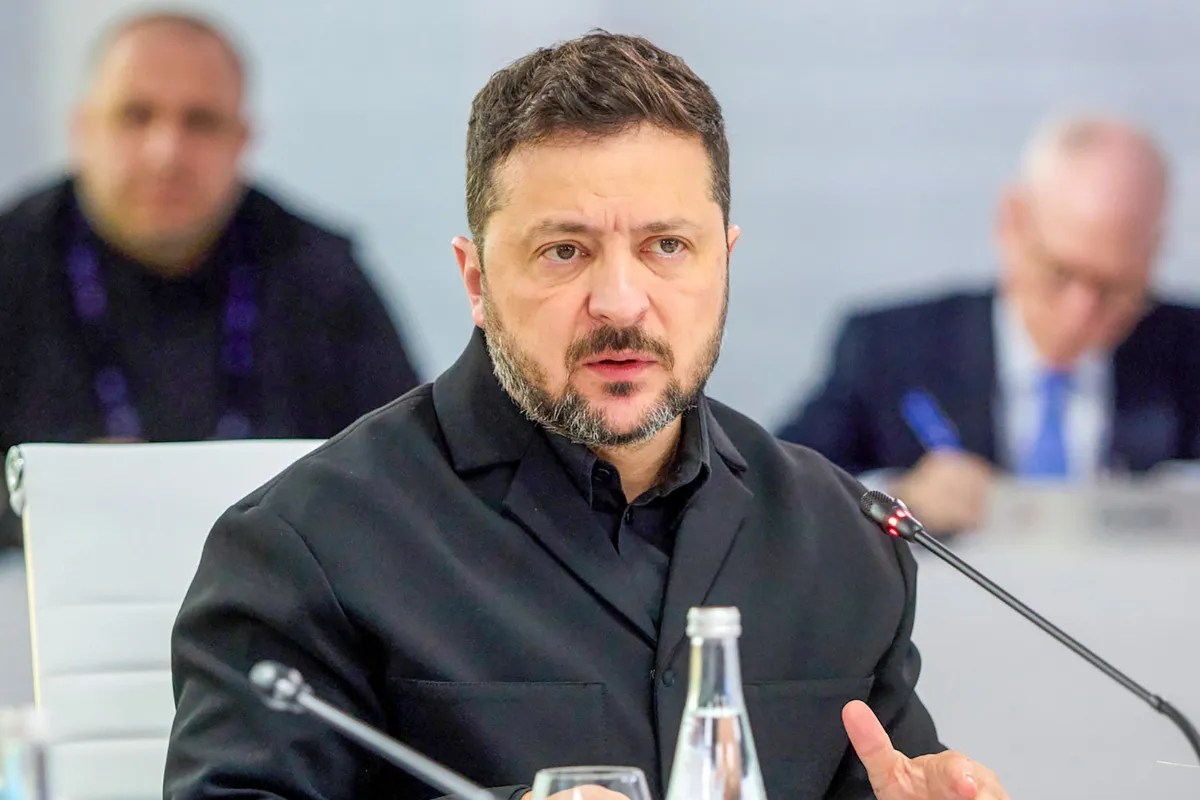
Diplomatic breakthroughs rarely happen in a vacuum, but they usually don't arrive right after a high-profile explosion either. Ukrainian President Volodymyr Zelenskyy has floated a fresh ceasefire proposal with Russia. It is a bold diplomatic pivot. Yet, the timing tells a wilder story. Just as Kyiv extended an olive branch, a Russian drone slammed directly into the headquarters of Ukraine's security service, the SBU, right in the heart of the capital.
If you think peace is just around the corner, you are missing the brutal reality on the ground. Let's look at what is actually happening behind closed doors and why this moment feels entirely different from the peace talks of previous years.
The Timing Problem Behind the Ceasefire Proposal
Zelenskyy's new push for a halt in fighting comes while diplomatic gears are grinding behind the scenes. US envoys Steve Witkoff and Jared Kushner have been gearing up for high-stakes visits to the region. Everyone wants a quick exit strategy from Europe's bloodiest conflict since the Second World War.
Moscow's response to diplomatic overtures? More kinetic pressure.
The drone strike on Volodymyrska Street didn't just hit any building. It targeted the central SBU complex sitting right in front of the historic Saint Sophia Cathedral. By aiming straight at the security chief's private office, Moscow sent a loud message. They aren't ready to drop weapons just because Washington or Kyiv waves a white flag.
Why Daytime Strikes Change the Math
Air raid sirens in Kyiv are nothing new. Citizens have lived through years of nocturnal bombardments, intercepting Shahed drones and cruise missiles in the dead of night.
Lately, Moscow changed its playbook. They have ramped up daytime attacks using advanced jet-powered drones. These machines move faster, dodge standard air defenses more effectively, and strike downtown areas when streets are crowded. Hitting a heavily guarded government district in broad daylight shows an aggressive escalation, proving that air defense umbrellas in major Ukrainian cities face terrifying new pressure.
Foreign Minister Andriy Sybiha didn't mince words, calling the attack a severe escalation. When capitals take direct hits while peace terms are sliding across desks, negotiations turn into psychological warfare.
What Washington Wants Versus What Putin Delivers
The US administration has shifted some of its diplomatic bandwidth toward other massive global flashpoints, but the European theater remains a ticking time bomb. Envoys trying to broker a settlement are finding out that neither side trusts the other's definition of a ceasefire.
Zelenskyy needs a pause to rebuild infrastructure, shore up shattered energy grids, and stabilize exhausted frontline units. Putin, on the other hand, watches Russian forces grind forward in the east while testing new aerial vectors over central Kyiv. Why stop an offensive when your opponent's capital is still within striking range of advanced drone tech?
You cannot negotiate from a position of mutual exhaustion if one side believes time is on their side.
The Ground Reality You Aren't Hearing About
Look past the headlines about high-level meetings and diplomatic envoys. The human toll keeps mounting, and military strategies are evolving into a grim technological race.
- Air Defense Strain: Jet-powered drones shorten response times for interceptor teams, turning central Kyiv into an active drone alley.
- Symbolic Targets: Striking near ancient landmarks like Saint Sophia Cathedral is calculated to inflict maximum psychological damage on the Ukrainian public.
- Shifting Global Focus: With Washington juggling multiple international crises, Ukraine knows its window for forced diplomatic leverage is narrowing.
Zelenskyy’s proposal is a calculated gamble. He is testing whether international pressure can force a diplomatic track before winter deepens and military margins shrink further.
Expect more kinetic surprises before any real table gets set. Keep your eyes on the actual frontline movements rather than the press releases, because words in Kyiv and drones in Moscow are telling two entirely different stories right now.


