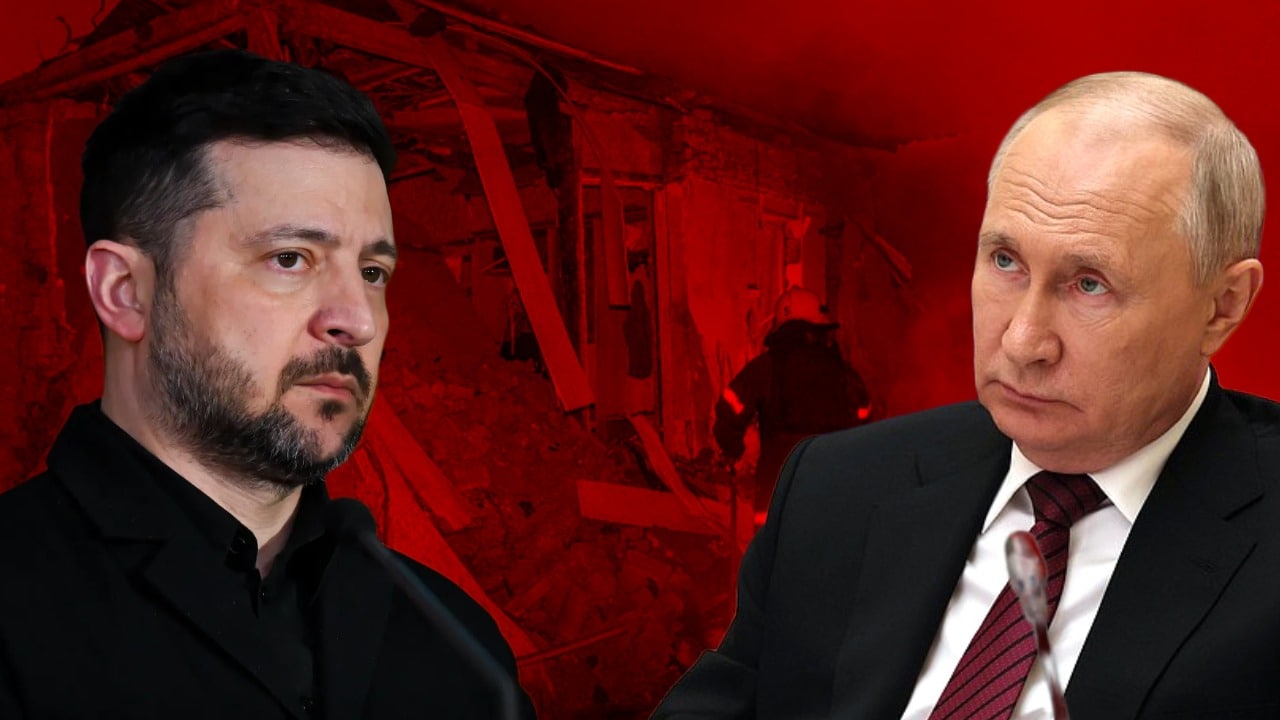
Diplomatic chess moves rarely happen by accident. When Ukrainian President Volodymyr Zelensky recently stated he would sit across the table from Vladimir Putin at the upcoming G20 summit in Miami, he wasn't just tossing out casual media commentary. He was signaling a strategic shift. For years, direct talks felt completely impossible. Now, with the United States holding the G20 presidency this year and special envoys moving back and forth between Moscow and Kyiv, the calculus around ending the war is shifting in real time.
If you look past the standard political theater, the core question is simple. Can a single summit in the United States actually break a multi-year military stalemate? Let's break down what is driving this sudden push for high-level diplomacy, what negotiators are whispering behind closed doors, and why you should care about the outcome.
The Washington Push Behind the Scenes
Diplomatic momentum doesn't appear out of thin air. Over the past few weeks, American negotiators Steve Witkoff and Jared Kushner traveled to both Moscow and Kyiv. That kind of shuttle diplomacy always carries weight. Zelensky publicly acknowledged those visits as a positive signal, noting that showing up in both capitals demonstrates a baseline level of respect for everyone caught in the middle of this grinding conflict.
At the same time, Donald Trump and Vladimir Putin held a lengthy, reportedly frank phone call. That conversation changed the rhythm of the international response. When Washington sets the agenda for the Group of 20 major economies, the guest list becomes a major geopolitical battleground. Remember, Russian officials have already attended preliminary G20 gatherings in places like North Carolina, causing visible frustration among European allies who prefer total diplomatic isolation for Moscow.
Putin receiving an invitation to Miami changes the entire atmosphere. Zelensky knows this. Instead of dodging the prospect of a shared room, he leaned right into it.
Moving Past Words to Real Results
Zelensky made his stance clear during an interview with broadcaster Deutsche Welle. He didn't care about the rhetorical sparring matches or what Putin might say to the cameras. In his words, results matter. Nothing else does.
"It's not about words. What I will tell him or what he wants to tell me, it doesn't matter. It doesn't matter. Matters only result. Result matters. That's it."
That blunt pragmatism strips away the usual fluff of international summits. Ukrainian leadership is under immense internal and external pressure. Years of destruction, shifting frontlines, and economic strain mean that holding out for a total military victory on the battlefield is hitting hard realities. Meeting face-to-face isn't about finding sudden friendship. It is about testing whether any actual compromise can survive contact with reality.
The Hurdles Standing in the Way
Of course, getting both leaders into the exact same room in Miami is easier said than done. Several massive obstacles remain on the table.
- The Arrest Warrant Factor: International legal questions surround Putin's travel plans, making high-profile international summits complicated logistical nightmares for host nations.
- European Anxieties: European partners worry that fast-tracking bilateral deals brokered by Washington could leave continental security frameworks sidelined.
- Territorial Red Lines: Neither side has publicly budged on the core geographic disputes that triggered the fighting back in 2022.
Even with those massive roadblocks, the pressure to find an off-ramp is mounting. Energy meetings in Houston and finance discussions in North Carolina show that the global economy is already trying to find ways to reintegrate Russian participation, or at least manage the fallout of ongoing isolation.
What Comes Next for the Global Stage
If the G20 summit in December actually brings Zelensky and Putin into the same building, security protocols will break records. But the real test won't be the handshake or the lack thereof. The test will be whether secret back-channel concessions can turn into a binding ceasefire framework.
You should watch the lead-up to December closely. Pay attention to what American envoys say, but keep a sharper eye on how Kyiv and Moscow handle prisoner swaps and energy infrastructure talks in the interim. Real peace deals are never born in a single afternoon under flashing television lights. They are forged in the quiet compromises made long before the cameras ever start rolling.