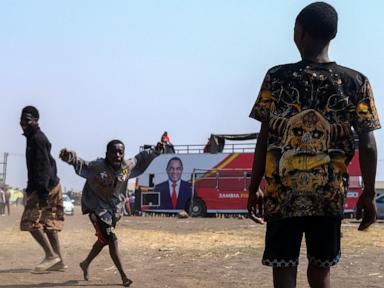
You can't talk about the future of global energy without talking about Zambia.
As this southern African nation gears up for its scheduled August general elections, the stakes go way beyond local politics. Global superpowers are watching closely. Why? Because Zambia sits on top of massive deposits of critical minerals that power everything from electric vehicles to smartphones. Discover more on a similar topic: this related article.
If you think this is just another regional vote, you're missing the bigger picture. Let's break down what's actually happening on the ground.
The Mineral Wealth Driving the Spotlight
Zambia isn't just rich in resources; it's foundational to the worldwide shift toward green energy. More reporting by NBC News explores related views on the subject.
The country is targeting a massive boost in copper production, aiming for 3 million metric tonnes annually. Copper isn't optional anymore. It's the wiring for the modern world, essential for renewable energy systems and electric grid upgrades.
Beyond copper, the national strategy highlights ten other critical metals and minerals:
- Cobalt
- Nickel
- Lithium
- Graphite
- Manganese
- Rare earth elements
- Uranium
- Tin
- Coltan
- Sugilite
Global demand for these materials has skyrocketed. Major economies like the US, China, and European nations are actively vying for stable supply chains. That turns every political shift in Lusaka into a matter of international economic security.
What's at Stake in the Upcoming Vote
The Electoral Commission of Zambia locked in the election roadmap, setting the general vote for August. Campaigns run through the middle of August, and political tensions are already palpable.
Opposition figures have raised questions about institutional trust and fairness. Even so, major political players plan to stay in the race, acknowledging that walking away solves nothing.
Voters care deeply about economic pressure, job creation, and how foreign mining investments translate into actual local benefits. Local communities want better infrastructure, cleaner operations, and fair wages. When smelting accidents or environmental issues hit the news, they instantly turn into fierce campaign debates.
Navigating the Geopolitical Tug-of-War
China, Western nations, and regional players all maintain heavy commercial interests in the Zambian mining sector. Infrastructure projects, such as transport corridors designed to move minerals efficiently to ports, are constant focal points of diplomatic strategy.
For the average citizen, the core frustration remains straightforward: wealth sits right beneath their feet, yet translating macro-level mineral booms into everyday prosperity takes relentless policy execution.
Keep an eye on how candidates address resource nationalism, tax policies for multinational mining corporations, and transparency in government spending as election day approaches. The choices made at the ballot box will shape regional stability and global supply chains for the next decade.
Take time to look beyond surface-level headlines. Watch how local candidates address economic diversification and accountability.