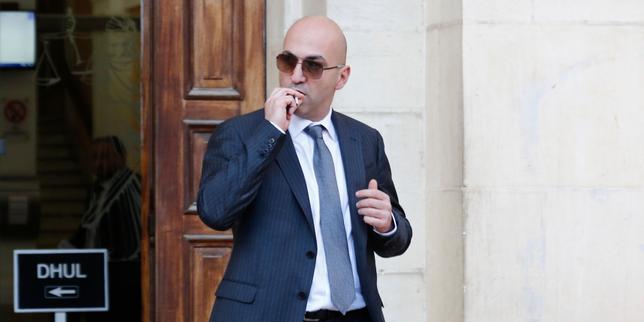
Nearly nine years after a car bomb tore apart the life of Malta’s most fearless investigative reporter, the courtroom doors in Valletta swung open to reveal a shocking outcome. A Maltese jury cleared wealthy businessman Yorgen Fenech of orchestrating the 2017 assassination of Daphne Caruana Galizia.
The verdict arrived after just eight hours of deliberations, ending with an eight-to-one vote. Fenech walked out of the courthouse to angry shouts of "Assassin" and "Mafia" from a crowd that had waited years for accountability. For the family of the slain journalist, international press freedom organizations, and anti-corruption watchdogs, the decision feels like a profound institutional failure. Meanwhile, you can explore related stories here: Why The Nepal Flood Crisis Is A Warning Sign We Cannot Ignore.
The Unresolved Shadow of 17 Black
To understand why this trial matters so intensely, you have to look back at what Daphne Caruana Galizia was investigating before she died. She was exposing high-level government corruption, untangling murky webs connecting political elites to lucrative state contracts. At the center of her final investigations was a secret offshore company named 17 Black, which prosecutors argued belonged to Fenech. To explore the full picture, check out the excellent analysis by The Guardian.
When her car blew up near her home on October 16, 2017, the shockwaves triggered a political earthquake. Mass protests ultimately forced then-Prime Minister Joseph Muscat to resign. While the foot soldiers—the men who built and detonated the bomb—were tracked down and convicted, the question of who paid for it remained an open wound. Fenech was arrested in November 2019 while trying to flee the island on his luxury yacht. Prosecutors claimed he used a middleman to pay $150,000 euros for the hit.
Why the Defense Won
The defense strategy hinged heavily on attacking the credibility of the prosecution's star witness, middleman Melvin Theuma, who had secured a presidential pardon to testify. Defense attorneys convinced the jury that the narrative presented by the state lacked reliable, uncompromised backing. Jurors opted to reject the complicity and conspiracy charges, leaving Fenech a free man.
Legal experts point out that criminal trials relying on pardoned accomplices are notoriously fragile. If the jury harbors even a shred of doubt about a witness who cut a deal with the state, the entire case collapses. That is precisely what happened in Valletta.
The Fallout for Press Freedom
Reactions from international bodies were swift and blistering. Groups like the European Federation of Journalists labeled the ruling a severe blow to justice and a dangerous signal for investigative reporters across Europe.
Daphne’s son, Matthew Caruana Galizia, didn't mince words, calling the decision obscene and disconnected from the overwhelming web of evidence accumulated over the years. An independent public inquiry back in 2021 already ruled that the Maltese state bore responsibility for creating a culture of impunity that made her murder possible.
This verdict doesn't close the chapter on corruption in Malta. Instead, it deepens public distrust in local institutions and guarantees that the fight for structural reform will only intensify.