A 28-year-old Punjabi Sikh truck driver from Sacramento was brutally stabbed 17 times at a highway rest stop in southern Wyoming, sparking widespread panic and outrage across South Asian and Sikh communities in the United States. The attack occurred just days after the U.S. Department of Homeland Security faced severe backlash for an official immigration enforcement graphic targeting a generic character named "Mr. Singh."
While investigators have not officially classified the Wyoming assault as a hate crime, the chilling proximity between federal online rhetoric and physical violence against a minority worker has raised alarms. Let's look at what actually happened, the fallout, and why long-haul drivers are demanding urgent accountability.
What Happened at the Wyoming Rest Stop
The victim, who asked to be identified only by his surname, Singh, was traveling toward Pennsylvania on Sunday, September 13, 2026. He pulled over at the Bitter Creek Rest Area along Interstate 80—a route he had driven safely many times before.
According to charging documents and interviews with NPR, Singh was followed into the public restroom by a stranger. Without warning or provocation, the man launched a brutal physical assault, pulling out a knife and stabbing Singh 17 times in the neck, chest, arms, and ribs.
Despite severe injuries, Singh managed to stagger out of the restroom and cry for help. A Hispanic family at the rest stop heard his screams, rushed to administer first aid, and tracked the fleeing suspect's vehicle details. Their quick action allowed the Wyoming Highway Patrol to stop the suspect, 45-year-old Andrew Kris Bzdak, near Rawlins about 113 kilometers away. Bzdak was subsequently arrested and charged with attempted first-degree murder.
Singh was airlifted to Wyoming Medical Center in Casper. He survived, but the physical and psychological toll is immense.
The Timing and the "Mr. Singh" Controversy
You cannot look at this violent incident in a vacuum. Just four days before the attack, the U.S. Department of Homeland Security published a controversial, AI-generated movie-style graphic on social media as part of an aggressive immigration enforcement push.
Titled in the style of a blockbuster film, the poster featured a caricature of a brown-skinned, bearded man alongside text reading: "America for Americans. Get off our roads; you don't know how to drive, Mr Singh." It urged individuals to self-deport.
The post drew sharp condemnation from civil rights groups, legal advocates, and lawmakers. Congressman Raja Krishnamoorthi publicly criticized the agency, noting that singling out a common Sikh surname in connection with dangerous driving and deportation risks demonizing an entire community of hardworking commercial drivers. DHS eventually removed the graphic, but the damage to community trust was already done.
Organizations like the American Sikh Council and Stop AAPI Hate have pointed out a disturbing trend. Data shows that online slurs targeting South Asians surged significantly over recent years, fueled by high-profile political debates over visas, transportation accidents, and aggressive immigration crackdowns.
The Vulnerability of Sikh Truck Drivers
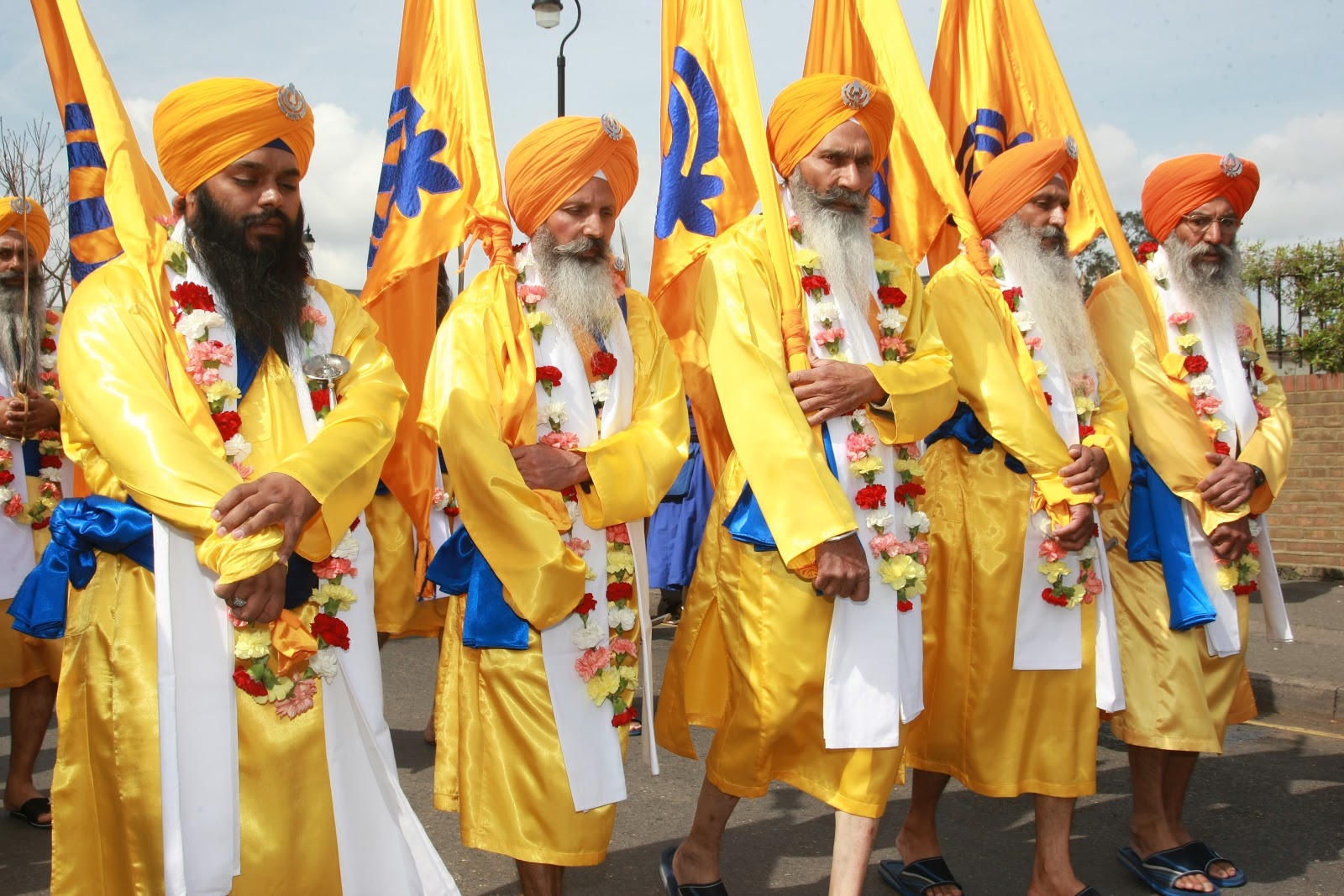
Thousands of Punjabi Sikh Americans work within the U.S. freight and trucking industry. They spend weeks away from home, navigating isolated interstate highways and relying heavily on roadside rest stops, truck stops, and public facilities.
These locations are inherently vulnerable. For many drivers, a routine break to use a restroom or grab a cup of coffee has now become a source of anxiety.
Raman Dhillon of the North American Punjabi Trucking Association noted that dozens of drivers have reached out expressing profound fear for their safety. When government agencies use specific cultural or religious surnames to mock or target individuals on public platforms, it normalizes hostility at a grassroots level. Even if authorities state that Bzdak's legal motive remains under investigation, the cultural climate surrounding these attacks cannot be ignored.
What Needs to Happen Next
The Sikh community and advocacy groups are pushing for concrete measures rather than empty corporate or political statements.
- Transparent Investigations: Civil rights leaders are demanding that federal prosecutors thoroughly investigate whether bias played any role in the Wyoming attack.
- Accountability in Public Communication: Federal agencies must adopt stricter oversight on communications to ensure they do not accidentally or intentionally amplify xenophobic tropes against minority workforces.
- Enhanced Rest Stop Security: State departments of transportation need to upgrade surveillance and emergency response infrastructure at remote interstate rest areas.
Singh is currently focused on recovery, but he faces mounting medical bills and lost wages. More importantly, he carries the heavy burden of knowing that doing his job puts a target on his back.
Safety should never depend on your surname. Until systemic hostility on the highways is addressed head-on, every long-haul driver with a turban or a beard will continue to look over their shoulder.