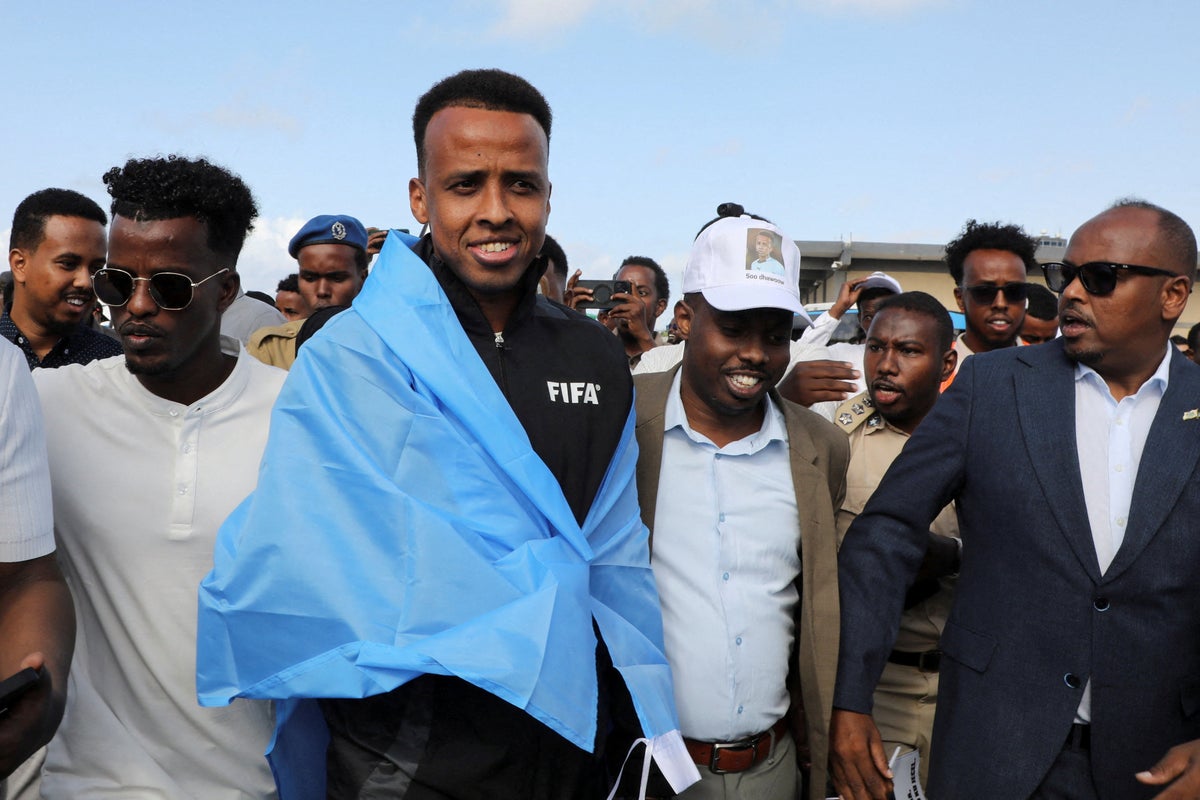
Imagine spending years running through streets torn apart by explosions just to reach a football pitch. You train, you push yourself, and you finally reach the absolute pinnacle of your profession. You get named Africa's Referee of the Year. You earn a coveted spot on FIFA's elite list of 52 match officials for the 2026 World Cup. You're about to make history as the first person from your country to ever referee at the tournament.
Then you land in Miami, and a border agent tells you to step aside.
That's the reality for Omar Abdulkadir Artan. The Somali referee arrived at Miami International Airport from Istanbul with a valid U.S. visa, FIFA credentials, and a lifetime of hard work in his bag. Instead of heading to referee training camp, he spent 11 grueling hours in an interrogation room. U.S. Customs and Border Protection (CBP) questioned him about Somali politics and the al-Shabab militant group. They locked him in a holding cell and threw him right back on a flight to Turkey.
It's a brutal reminder that even global sports stars can't outrun geopolitics.
The Security Bureaucracy That Crushed a Dream
The Trump administration isn't backing down on this one. An anonymous administration official later stated that further inspection revealed "derogatory information," alleging connections to "suspected members of terror organizations." CBP Commissioner Rodney Scott doubled down on the decision, stating plainly that the law is the law, regardless of what someone does for a living. They aren't letting anyone in just because they have a whistle and a FIFA badge.
But Artan maintains he has absolutely nothing to hide. He points out that he had the proper papers and a visa processed just days earlier by the U.S. Embassy in Kenya.
The core of the issue comes down to a strict travel ban resurrected last year. The policy places sweeping entry restrictions on nationals from dozens of countries, including Somalia. While the executive order technically has exemptions for World Cup athletes and staff, border officials hold ultimate discretionary power at the gates.
FIFA quickly washed its hands of the entire mess. The governing body released a brief statement confirming Artan won't officiate or train at the tournament, noting that host governments have the final say on who enters their borders.
A Systemic Pattern Across the Tournament
Artan isn't an isolated case. The 2026 World Cup is facing a massive visa crisis that's disrupting teams and operations just days before kickoff.
- Iran's Squad Logistical Nightmare: At least 15 essential staff and officials from the Iranian national team were denied visas entirely. The team had to move its training base to Tijuana, Mexico. They face the ridiculous reality of commuting across the border into the U.S. just to play their Group G fixtures in Inglewood and Seattle, then immediately flying back out.
- Iraqi Team Disruptions: Striker Aymen Hussein faced seven hours of intense interrogation at Chicago's O'Hare airport before agents let him through. The team photographer, Talal Salah, was detained for 10 hours and turned away entirely after border police searched his phone.
- European and Fan Roadblocks: Swiss forward Breel Embolo had his travel delayed over a past legal conviction, requiring an emergency trip to the U.S. Embassy in Bern. Even regular fans are feeling the heat, with hundreds of British supporters reporting that their previously approved ESTA travel authorizations were abruptly revoked without explanation right before their flights.
What This Means for International Sports
The situation raises massive questions about how global sporting events can operate in an era of heightened nationalism and aggressive border enforcement. When a country wins a bid to host a global event like the World Cup or the Olympics, there is an implicit agreement that the world is invited.
When border agents override FIFA's vetting processes, it creates an uneven playing field. Somalia's Ministry of Youth and Sports, alongside former national team captains, called the move a direct blow to the spirit of fair play and merit. Artan earned his place on that pitch through years of flawless professionalism in high-stakes matches, including the CAF Champions League final. Losing that opportunity because of a sweeping national security blanket feels incredibly unjust to fans across the African continent.
Despite the heartbreak, Artan is keeping his head high. Arriving back in East Africa, he thanked the football community for their overwhelming support. He stated he remains focused on the next phase of his career.
If you're planning to travel across international borders for a major sporting event this year, don't assume your tickets or event credentials guarantee entry. Double-check your visa status up to the day of departure, ensure your digital devices contain zero ambiguous data, and expect extended delays at customs processing centers.