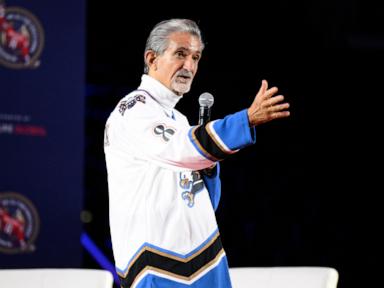
Professional sports can't hide from global politics anymore. Ted Leonsis, the billionaire owner of Washington's NBA and NHL franchises, just found a ticking clock on his desk. The House Select Committee on the Chinese Communist Party sent a blunt warning to his company, Monumental Sports & Entertainment. The message was simple. Break off your relationship with Chinese tech giant Alibaba, or prepare for the fallout.
The letter signed by Committee Chair John Moolenaar sets a tight deadline of July 15. This is not a casual suggestion. It marks a massive escalation in how Washington views foreign influence in American sports culture. For years, leagues looked at China as a massive bucket of revenue. Now, that same relationship is a massive liability. If you think this is just about billboard advertisements in an arena, you are missing the bigger picture.
The Pentagon Blacklist Hits D.C. Sports
This political pressure cooker didn't happen overnight. The real catalyst occurred when the U.S. Defense Department officially designated Alibaba as a Chinese military company. The government explicitly accuses the e-commerce giant of participating in Beijing's military-civil fusion strategy. This policy forces private commercial technology companies to share data and innovations directly with the Chinese armed forces.
Alibaba isn't taking the designation quietly. They filed a major lawsuit in federal court to get off the blacklist, calling the military label baseless. They claim the branding ruins their reputation and destroys business relationships. They are right about the destruction part. The political contagion is spreading fast through Washington.
The House committee wants Leonsis to confirm immediately that Monumental Sports will sever ties with Alibaba and all its active subsidiaries. It creates an incredibly awkward situation for a sports mogul whose teams play their home games just a few miles down the road from the U.S. Capitol building.
The Broad Crackdown on Chinese Influence
The pressure on the Wizards and Capitals owner follows a pattern of recent defensive maneuvers by federal lawmakers. Just a week before Leonsis received his letter, a new law triggered a massive wave of panic among Washington influence peddlers. The law bans the Pentagon from contracting with any lobbying firm that also represents blacklisted Chinese entities.
The financial threat worked instantly. Top-tier D.C. lobbying firms dumped Alibaba and Tencent overnight to protect their lucrative defense contracts. Alibaba lost five of its primary lobbying firms in a matter of days. If K Street power players are running for the hills, sports executives cannot expect to stay behind.
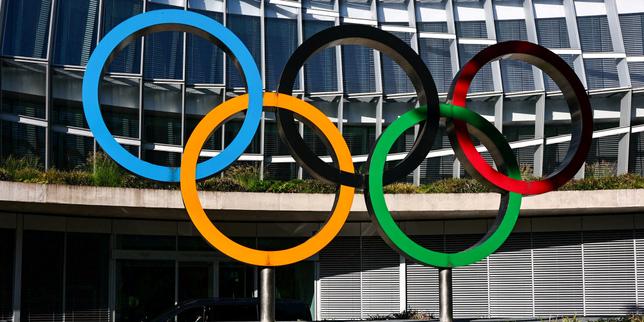
American sports leagues have spent decades treating China like a gold mine. Joseph Tsai, a co-founder of Alibaba, owns the NBA's Brooklyn Nets and the WNBA's New York Liberty. This reality means the league is deeply entangled with a company the Department of Defense views as a national security threat. The committee previously targeted the International Olympic Committee for its massive partnership with Alibaba during the Paris Games, and they successfully pushed organizers of the upcoming Los Angeles Games to look elsewhere for cloud computing needs.
Why Data and Sports Arenas Collide
Politicians care about sports partnerships because modern stadiums are data collection hubs. Millions of fans download ticketing apps, connect to venue Wi-Fi, and purchase merchandise through digital networks. When a blacklisted tech firm integrates into a sports ecosystem, it gains a potential backdoor to consumer data.
The Real Risks for Leagues
- Consumer Data Security: Mobile ticketing platforms track location data, payment histories, and personal identifiers.
- Corporate Espionage: Premium suites at Capitals and Wizards games host top government contractors, politicians, and intelligence officials.
- Geopolitical Hypocrisy: Leagues promote social initiatives at home while partnering with entities linked to overseas surveillance states.
Leonsis has built an empire on tech-forward fan engagement. Monumental Sports owns its own regional sports network and controls the entire fan experience inside Capital One Arena. This total control makes any vulnerability a major point of entry for foreign intelligence operations.
What Happens Next for Sports Executives
The era of separation between international business and domestic sports is officially over. Owners can no longer plead ignorance when signing international sponsorship deals. If you run a major sports franchise, you must audit your corporate partnerships immediately.
Start by reviewing every technology, logistics, and retail vendor in your supply chain. Look closely at secondary sponsors that might have hidden corporate parents overseas. If a company appears on a federal watch list, find an alternative vendor before Congress sends a public letter to your front office.
Do not wait for the government to force your hand. The public relations damage of being labeled a collaborator with blacklisted foreign entities outweighs any short-term sponsorship check. Ted Leonsis has until mid-July to make his choice, but every other owner in professional sports should look at his letter as an early warning for their own operations. Break the ties before the government breaks them for you.