Skies turned pitch black at noon on a Monday, and then the sirens started screaming. A destructive tornado ripped across east-central Wisconsin, leaving shattered buildings, twisted metal, and thousands in the dark.
If you're wondering how a midday storm system caused such catastrophic devastation so fast, you aren't alone. Let's look at what actually happened on the ground and why this event caught so many people off guard.
The Anatomy of a Midday Ambush
The National Weather Service confirmed that a violent radar-indicated tornado touched down in Winnebago County before tracking toward Fond du Lac County. Residents in Appleton, Menasha, and Fox Crossing didn't get hours to prepare.
Greg Van Driest, working downtown in Appleton when the weather shifted, described the sky as looking like three in the morning. It got that dark, that fast.
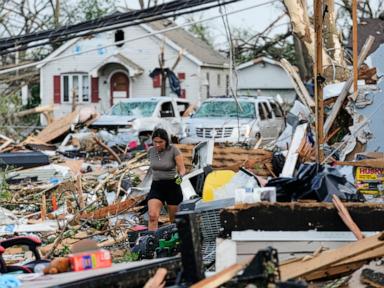
Homes lost their roofs and siding. Vehicles flipped over. Entire city grids went completely dark. In Menasha alone, a downed transmission line plunged the whole city of roughly 18,000 residents into a blackout.
Why Severe Weather Preparedness Failed So Many
People always think they'll have plenty of warning. They expect a polite alert hours in advance, giving them time to pack a bag and secure the patio furniture.
Reality doesn't work that way. Fast-moving summer storms often develop quickly, leaving meteorologists with narrow windows to issue warnings.
- The Warning Gap: When a tornado forms rapidly along a squall line, the lead time drops to minutes.
- The Power Grid Vulnerability: High winds and falling trees instantly shred overhead utility lines, knocking out local communications right when you need live updates most.
- The Infrastructure Shock: Older commercial buildings and residential roofs simply aren't built to withstand sudden extreme straight-line winds paired with rotational vortexes.
What Utility Crews Face Next
Restoring power after a disaster like this isn't a quick fix. Utility providers like We Energies deployed hundreds of lineworkers across the Midwest to tackle thousands of downed lines and smashed utility poles.
Crews faced massive hurdles. Catastrophic structural damage in the Fox Valley also triggered natural gas emergencies, forcing emergency responders to prioritize gas leaks over simple power restoration to keep neighborhoods safe.
If you encounter a downed power line, treat it as live. Stay at least 25 feet away and report it immediately. Don't assume utility workers already know about every single snapped wire on a residential street.
Practical Next Steps for Storm Recovery
If you live in the affected Wisconsin regions, focus on safety first.
- Stay Off the Roads: Local police departments urged residents to avoid non-essential travel. Downed traffic lights and debris create extreme hazards for emergency vehicles.
- Check Your Utilities: Inspect your home for structural or gas line issues before turning appliances back on.
- Connect With Neighbors: Check on elderly residents or anyone who might be isolated without air conditioning or power.
Severe weather patterns are shifting, and fast-forming storms are becoming harder to predict. Pay attention to local alerts, take midday darkness seriously, and never wait until the wind picks up to find shelter.