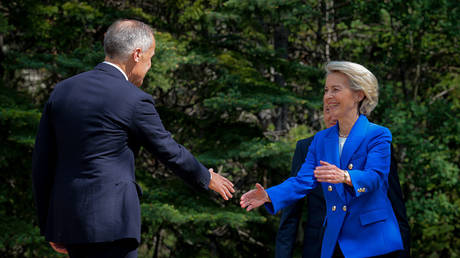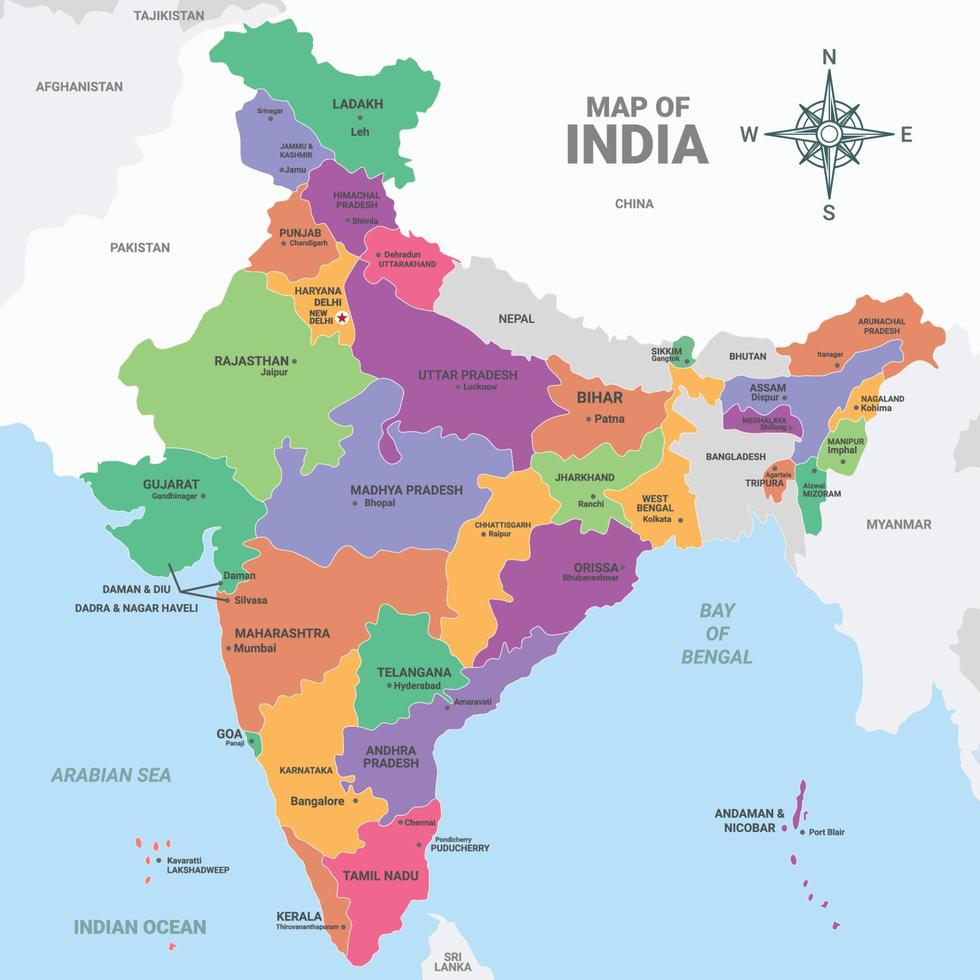
When a major global power hosts a massive geopolitical summit, you expect the international press to cover the substance. You expect analysis of policy shifts, economic pacts, and diplomatic maneuvers. Yet, when India recently hosted the BRICS Summit in New Delhi, a familiar and tired habit surfaced across several Western newsrooms. Instead of focusing on the nearly 140-point New Delhi Declaration or the weight of a bloc representing roughly 40 percent of global GDP, the visual language defaulted to the past. Mopeds, crowded streets, and cycles became the shorthand for a nation driving a massive shift in international relations.
It is a curious disconnect. India is home to critical digital public infrastructure, a thriving space program, and a rapidly expanding economic footprint. Why does traditional foreign commentary remain trapped in a time warp?
The Comfort of Old Tropes
Change is difficult to report. For decades, international wire services and legacy networks relied on a specific set of visual and narrative tropes when reporting on developing nations. Poverty, chaos, and antiquity make for easy storytelling. They fit neatly into a patronizing worldview where the West leads and the rest merely react.
When an economy like India steps up to anchor consensus among diverse and often competing nations, it breaks the established script. A summit that produces unanimous agreement on thorny global issues without taking orders from Washington or Brussels forces a uncomfortable realization. The unipolar moment has passed. Rather than adapting to this multipolar reality, certain segments of foreign media choose the path of least resistance. They reach for stock footage of cycles and crowded markets, hoping to shrink a giant back down to size.
Missing the Real Story of Consensus
The actual news coming out of New Delhi was about unity against the odds. Critics in the West spent weeks predicting the bloc would fracture under the weight of internal rivalries, pointing specifically to India-China dynamics or divergent foreign policies. They anticipated a breakdown.
Instead, they got a masterclass in modern diplomacy. India managed the complex balancing act of hosting an expanded BRICS without turning it into an overtly anti-Western grievance club, while still firmly prioritizing the interests of the Global South. The final declaration tackled pressing financial and geopolitical architecture. But if you relied solely on specific foreign broadcasts, you might have walked away thinking the event was a footnote overshadowed by Western political anxieties.
The Cost of Lazy Journalism
This isn't just about hurt national pride or media bias. It is a fundamental failure of intelligence. When decision-makers in Western capitals consume media that filters reality through lazy stereotypes, they make bad policy. If you genuinely believe a country is defined by its mopeds and local quirks rather than its technological scale and diplomatic leverage, you will be caught off guard by its geopolitical moves.
The obsession with archaic imagery is a defense mechanism. It protects a worldview where power is concentrated in very few capitals. But the ground has shifted.
Next time a major international event takes place outside traditional Western power centers, watch how it is framed. Look past the chosen photographs. Pay attention to the passive dismissals. You will spot an institution struggling to narrate a world it no longer controls.
Take a look at how global diplomatic consensus is actually built outside traditional Western channels by watching this BRICS Summit analysis.
http://googleusercontent.com/youtube_content/1