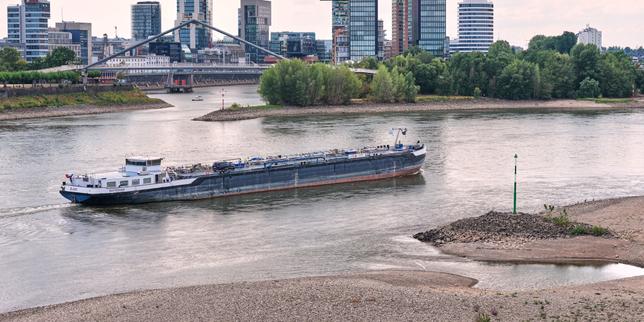
Ground moisture levels across Western Europe are plunging past the grim benchmarks set in July 2022. Back then, scientists called it a wake-up call. Today, that call looks like a minor warning shot compared to the exceptional sécheresse gripping the region right now.
According to data from the Copernicus Climate Change Service, western parts of the continent are dealing with soil humidity deficits that leave 2022 in the dust. You can feel the impact the moment you step outside into cracked fields, or watch local municipalities scramble to roll out emergency water restrictions. It's not just a summer inconvenience anymore. It is a slow-motion systemic shock hitting human activities and fragile ecosystems all at once. In related news, take a look at: Why Western Europe Burning Through Record Heat And Drought Changes Everything.
The Cracking Soil and What It Means for Agriculture
When soil loses its moisture this deep into the season, farming stops being a predictable business and turns into survival mode. Farmers across France, Spain, and neighboring regions are staring at withered pastures and stunted crops.
The main problem isn't just a lack of rain over the last few weeks. It is the cumulative deficit. Winter recharge failed in many areas, leaving underground aquifers underprepared for the brutal heatwaves of mid-summer. The Guardian has also covered this critical issue in extensive detail.
- Forage production is plummeting, forcing livestock owners to burn through winter feed reserves prematurely.
- Fruit and vegetable yields are shrinking, driving up costs at local markets.
- Temporary aid packages from governments are acting as mere band-aids on a gushing wound.
You can't just water your way out of a multi-year hydrological deficit. The agricultural sector is realizing that short-term crisis management is failing. Long-term adaptation is no longer optional. It is the only way forward.
Ecosystems Under Siege
Human activities take an immediate financial hit, but the quiet collapse happening in local ecosystems is harder to measure and even harder to reverse. Rivers are running at historic lows. Water temperatures are climbing, stripping oxygen from aquatic habitats and triggering massive fish kills.
Forests are suffering just as badly. Deciduous trees are dropping leaves months early to conserve water, mimicking a premature autumn. Conifers are drying out from the inside, turning local woodlands into tinderboxes. When fires break out—like the recent blazes tearing through parts of southern France—they spread with terrifying speed because the vegetation itself is bone-dry.
The invisible casualties pile up fast. Ground-nesting birds, amphibians, and small mammals get trapped by sudden wildfires or lose their food sources as the soil hardens into concrete.
Moving Past Emergency Mode
We need to talk honestly about the future of water management in Western Europe. Treating these dry spells as anomalies is a dangerous mistake. They are the new baseline.
Communities have to rethink how they store, distribute, and consume water. Relying on deep groundwater pumping is borrowing against a future we won't be able to pay back. Industrial users, agricultural cooperatives, and municipal authorities are going to have to accept strict consumption caps.
Stop waiting for normal weather to return. It isn't coming back. The real challenge is learning how to design economies and protect natural habitats that can survive with significantly less water.