Diplomatic collisions rarely happen in a vacuum. When US special envoy Tom Barrack slammed recent Israeli airstrikes on northern Syria as an unnecessary escalation, he didn't just critique a tactical maneuver—he stepped right into a high-stakes intelligence showdown. Tel Aviv didn't stay quiet. Defense Minister Israel Katz fired back immediately, dismissing the American critique as « pleines d'inexactitudes ». If you look past the standard diplomatic posturing, this clash reveals a deeper friction point over who actually gets to dictate the security architecture of post-Assad Syria.
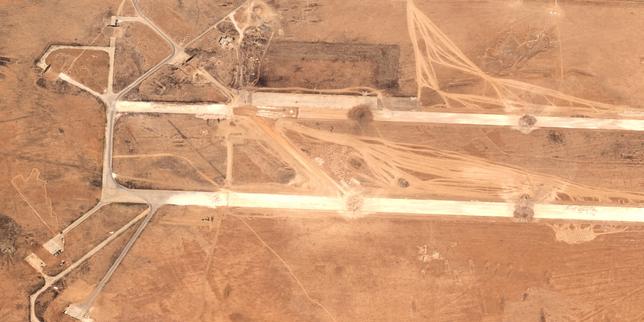
Let's look at what actually triggered the friction. The airstrikes targeted the abandoned Abu al-Duhur military air base in the eastern Idlib province. Israel claimed it acted on concrete intelligence reports suggesting Turkey was actively moving military assets and preparing to entrench forces at the airfield. According to Israeli leadership, warnings were channeled through proper intelligence corridors to Washington before the operation. Yet, American assessments reached a completely different conclusion. Washington maintains that its own investigative channels found zero evidence supporting the Turkish deployment claims.
The Intelligence Gap and Miscommunication Realities
Intelligence collection in active conflict zones is messy. When multiple intelligence apparatuses—ranging from the Israeli military and Mossad to American agencies—attempt to parse foreign movements, crossed wires happen constantly. Envoy Tom Barrack openly pointed out that a miscommunication within Israeli military ranks might have fueled the faulty assessment. But dismissing the strike purely as a blunder misses the strategic paranoia driving Tel Aviv's decisions right now.
Since the collapse of Bashar al-Assad's regime, Israel has adopted an uncompromising posture across its northern frontier. Hundreds of strikes have targeted abandoned or remnants of military infrastructure to ensure hostile forces or opportunistic regional actors don't inherit functional air power or strategic nodes. Turkey's footprint in northern Syria has long been a sensitive nerve. Ankara has heavily backed the new administration in Damascus and invested heavily in infrastructure rehabilitation across the region.
Key Insight: The friction isn't just about a single runway in Idlib. It exposes a fundamental disagreement between Washington and Tel Aviv regarding Turkey's long-term military ambitions and how much latitude the new Syrian authorities should be granted.
Navigating the Post-Assad Security Maze
Damascus has repeatedly stated it wants to avoid a direct military confrontation with Israel. The interim leadership under Ahmad al-Sharaa has focused primarily on stabilizing core state functions rather than projecting regional aggression. Yet, Israel remains intensely skeptical. From Tel Aviv's perspective, waiting for hostile air-defense installations or foreign military assets to become fully operational is a luxury they simply cannot afford.
This creates a painful diplomatic paradox for the White House. The United States wants regional de-escalation and strongly supports a stable diplomatic cadence between Damascus and its neighbors. When unilateral strikes bypass American warning systems and directly challenge Turkish movements, Washington finds itself caught between a crucial NATO ally in Ankara and its closest Middle Eastern partner. Envoy Barrack's sharp public critique was an attempt to draw a hard line against uncoordinated kinetic actions that complicate broader stabilization efforts.
Why This Friction Will Shape the Middle East
You can't separate these events from the broader territorial struggle playing out across the region. Israel's push into the UN-patrolled buffer zone in the Golan Heights, combined with persistent airstrikes, underscores an aggressive doctrine of preventive defense. Tel Aviv isn't waiting for permission or consensus. They are enforcing their own red lines.
Meanwhile, Turkey views Israel's actions as a direct assault on Syrian territorial integrity and an unacceptable violation of international law. As Ankara works to restore military facilities and secure its southern borders, the risk of accidental escalation between two heavily armed regional powers grows. The verbal sparring match between Jerusalem and Washington isn't a minor footnote—it's an early warning sign of deeper structural disagreements on how the new Middle East map will be drawn.
Pay close attention to how communication channels adapt in the coming weeks. If backchannel intelligence sharing fails to bridge the gap between American optimism and Israeli operational paranoia, unilateral strikes will continue to test the limits of Western alliances in the region.