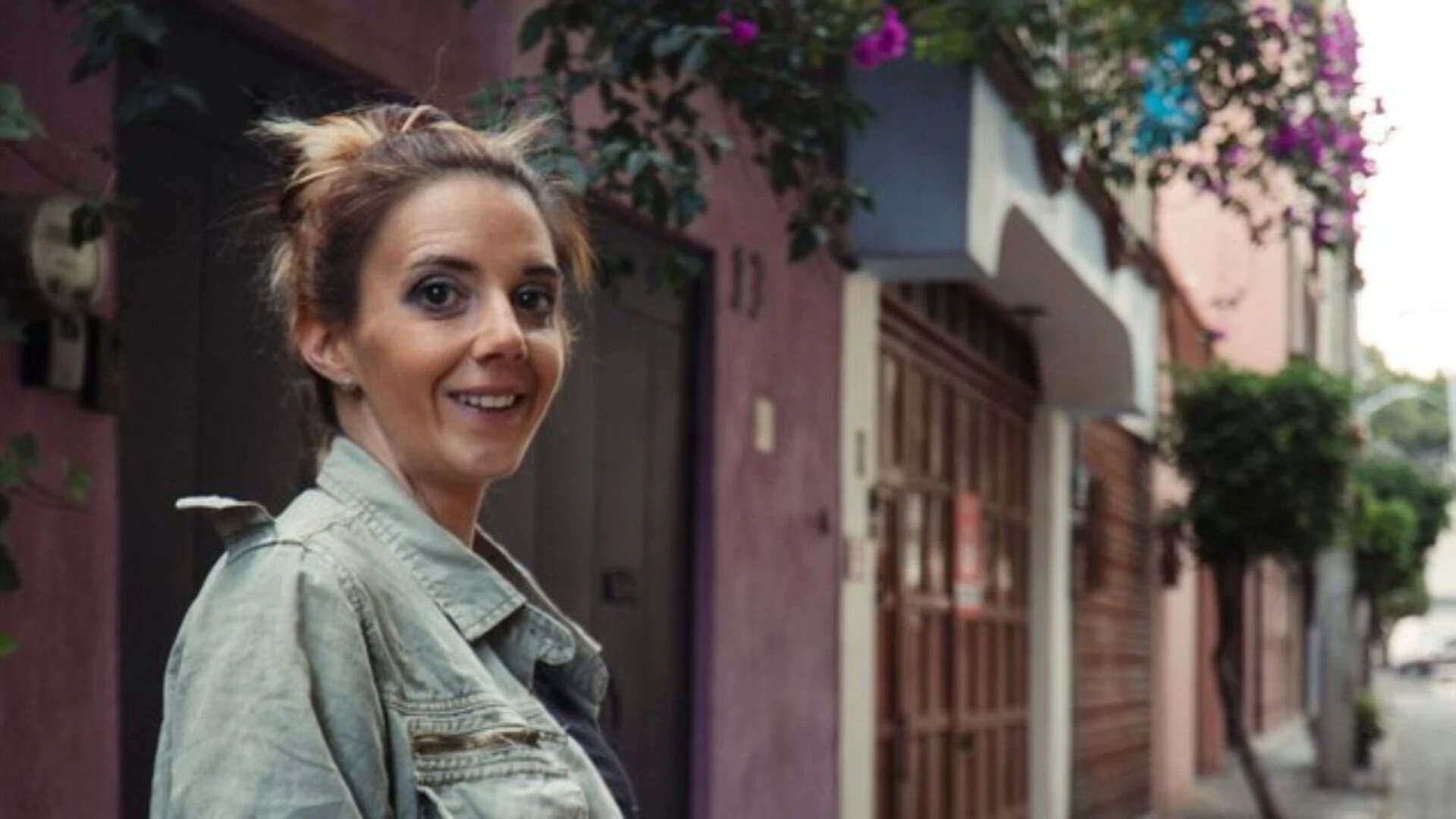
You don't wake up one morning and decide to run an international drug empire. It happens slowly, then all at once.
For Chelsie Anderson, a South Carolina mom of two, the transition from serving tables to moving ten kilos of methamphetamine a week didn't start with a grand criminal master plan. It started with a bad divorce, a growing cocaine habit, and an eye for basic math.
The media loves to use flashy headlines like "Cartel Queen." But the reality of Anderson’s story is much more grounded, gritty, and frankly, terrifyingly corporate. She didn't buy a throne. She basically filled a middle-management vacancy in the modern drug trade.
The Side Hustle That Escalated
By late 2018, Anderson was struggling. Her marriage was over, and her recreation turned into an expensive cocaine addiction. To fund her own habits, she bought an ounce of coke and flipped it to fellow waitresses for a tiny profit margin.
Her suppliers noticed her reliability. In the underworld, consistency is rare. They offered her a deal: throw in a little extra cash with each purchase, and they'd use it to buy larger wholesale product volumes, paying her back with interest. It was essentially a criminal savings account.
Within months, she wasn't just using cocaine; she was using and selling meth. She quit her restaurant job. Her life shrank down to the windshield of her car, moving from family members' spare rooms to cheap motels. She drove to trap houses, loaded up a few ounces of meth, and waited for her "boss" to send her an address via phone.
Corporate Climb in the Invisible Prison Empire
Anderson's descent happened during a major shift in American drug trafficking. For decades, the US government cracked down on local meth labs by restricting over-the-counter cold medicines. This didn't stop the drug; it just outsourced manufacturing to highly sophisticated Mexican cartels. This created a massive need for local American distributors who could move product quietly.
Anderson was invisible. She looked like an ordinary mom, not a cartel soldier.
By late 2019, one of her suppliers handed her a lifeline—or a noose—by connecting her to a higher-up named Dane. Dane wasn't in Mexico. He was an inmate inside a South Carolina Department of Corrections (SCDC) prison, running a massive syndicate using contraband smartphones.
Over a FaceTime call, Dane offered Anderson a promotion. By early 2020, she was responsible for distributing roughly ten kilograms of meth every single week.
Her life completely fragmented. She saw her daughters for only a few hours at a time. Instead of motherhood, she chose the rush of cash, once spending $3,000 on a single shopping spree. She graduated to interstate smuggling, crossing state lines to pick up massive shipments of meth and heroin.
When the Logistics Chain Breaks
The thing about high-level drug trafficking is that you aren't really a gangster; you're a logistics manager. Anderson’s value wasn't brute force. It was her contact list.
When the law finally caught up, it hit hard. During a traffic stop, police found a gun, $2,000 in cash, and a Ziploc bag packed with meth. But the cops didn't just care about the bag. They already knew her name, her routes, and her associates. Anderson was a target in the largest narcotics conspiracy investigation in South Carolina's history—a sweeping case that eventually saw the state's attorney general prosecute 103 people.
She got out on bond, but instead of facing the music, she panicked. Driven by Dane's network, she fled across the southern border into Mexico.
Taking the Reins in Mexico
Running to Mexico usually means hiding. For Anderson and another fugitive woman named Nicole Burns, it became an unexpected business opportunity.
Shortly after they arrived, law enforcement arrested their boyfriends and remaining US bosses back home, leaving the "Prison Empire" completely decapitated. The supply chain was broken, but the demand in South Carolina remained insatiable.
Anderson and Burns realized they held the ultimate leverage: they were the only ones who possessed the phone numbers of both the Mexican cartel suppliers and the upstate South Carolina buyers. They were the bridge.
They took over the operation themselves, operating as high-level intermediaries. Anderson’s reputation grew so much that she ended up working directly with a major trafficker she called "Produce," allegedly the son of a foundational Sinaloa Cartel member. He taught her how to move product on a massive, industrial scale.
The Trap of No Return
The glamour of the "Cartel Queen" title fades fast when the people around you start disappearing. Produce was eventually captured and transferred to a federal jail. Left isolated in Mexico, the reality of Anderson’s situation set in.
She has spent significant time considering turning herself in to US authorities. The only thing stopping her is the math. Under the "Prison Empire" and "Las Señoritas" indictments, her former associates are pulling massive sentences, frequently exceeding 25 years without parole.
Anderson’s story isn't a movie script. It's a sobering look at how easily a normal life can disintegrate when small, desperate choices snowball into international federal crimes.
If you want to understand how deep the modern drug epidemic goes, look past the kingpins. Look at the local waitresses who know how to manage a spreadsheet and a cell phone.
To stay informed on international crime networks and federal conspiracy investigations, track the ongoing public court dockets from the South Carolina Attorney General’s office regarding the "Prison Empire" indictments.