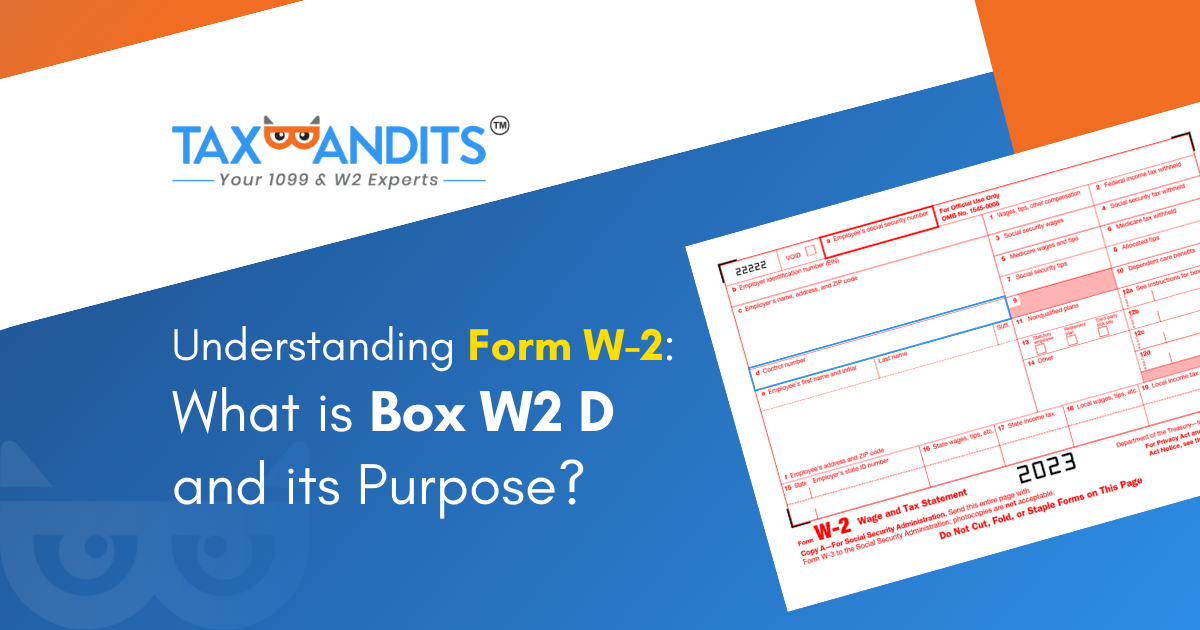
You just got a thick envelope in the mail or a "tax document ready" notification in your inbox, and suddenly you're staring at a grid of boxes filled with numbers that feel like a secret code. If you're feeling a bit overwhelmed, don't worry because most people just look for the biggest number and hope for a refund. But understanding What Is A W2 For is the difference between a smooth tax season and a frantic call to the IRS because you accidentally underpaid your local government. Essentially, this form is the official record of your hard work from the previous year, documenting every dollar you earned and every cent your employer sent to the government on your behalf. It's the paper trail that proves you've paid your dues—literally.
The document, officially known as the Wage and Tax Statement, is mandatory for every employer who pays a salary, wage, or other compensation as part of an employment relationship. If you're an employee, you get one. If you're a freelancer, you're looking for a 1099, which is a different beast entirely. We're focusing on the W-2 because it’s the bedrock of the American tax system for the vast majority of workers. It isn't just a receipt. It's a legal declaration that dictates whether you’ll be getting a fat check back from Uncle Sam or writing him one.
The Core Purpose of This Tax Document
At its heart, this document serves as a bridge between three parties: you, your employer, and the Internal Revenue Service (IRS). Your employer has been acting as a middleman all year. Every time you got paid, they took a chunk out of your check and sent it to the government. This form is their way of saying, "Hey IRS, here is exactly how much we paid this person and exactly how much we already sent you."
Tracking Federal Income Tax
The most important part for most people is Box 2. This shows the federal income tax withheld. When you filled out your W-4 form on your first day of work, you told your employer how much to take out. If they took out too much, you get a refund. If they didn't take enough, you owe. It's a balancing act. People often forget that the IRS wants their money throughout the year, not just in April. This form tracks those installments.
Social Security and Medicare Contributions
You'll see specific boxes for Social Security wages and Medicare tax. These are part of the Federal Insurance Contributions Act (FICA). Unlike federal income tax, which has various brackets, these are generally flat rates—6.2% for Social Security and 1.45% for Medicare. Your employer matches these amounts, too. This isn't just money disappearing into a void. It's building your future safety net. You can check your lifetime earnings record at the Official Social Security Website to see how these W-2 numbers add up over the decades.
Understanding What Is A W2 For in Your Daily Life
Beyond just filing taxes, this form has a weirdly large impact on your ability to live your life. Try applying for a mortgage or a car loan without one. You can't. Lenders look at this document as the ultimate proof of stable income. It’s a "gold standard" document because it’s verified by a third party (your boss) and reported to the government. It carries way more weight than a simple pay stub.
When a bank officer looks at your paperwork, they aren't just looking at the total. They’re looking for consistency. They want to see that your Box 1 income matches what you claimed on your application. If there’s a discrepancy, your loan gets flagged. I’ve seen people lose out on a house because their employer made a clerical error on a W-2 that took three weeks to fix. It’s high stakes.
Verification for Renting and Credit
Landlords in competitive markets, like New York or San Francisco, often demand the last two years of these forms. They want to know you aren't just having a "good month" but have a sustained history of earnings. It provides a level of trust that a bank statement alone can't provide. Since the IRS gets a copy, it's very hard to fake a W-2 without committing serious felony fraud, which makes it a reliable tool for anyone trying to vet your financial health.
Deciphering the Boxes and Codes
The form is a grid of numbered and lettered boxes. It looks like a mess, but there's a logic to it. Box 1 is your total taxable wages, tips, and other compensation. This number is often lower than your actual salary. Why? Because of pre-tax deductions. If you put money into a 401(k) or paid for health insurance through your job, that money is stripped out before it hits Box 1. This is good. It means you aren't paying taxes on that money yet.
The Mystery of Box 12
Box 12 is where things get nerdy. It uses one or two-letter codes to describe various types of compensation or benefits. For example, Code D usually refers to elective deferrals to a 401(k) plan. Code W might cover employer contributions to a Health Savings Account. If you see a code you don't recognize, don't guess. The IRS website has a specific guide for these codes that you should check. Ignoring these can lead to missing out on deductions or, worse, failing to report taxable fringe benefits like group-term life insurance over $50,000.
State and Local Taxes
The bottom of the form is usually dedicated to state and local information. Boxes 15 through 20. Depending on where you live, this might be simple or a total nightmare. If you live in a state like Florida or Texas, these might be blank because there's no state income tax. But if you live in NYC and work in Jersey, or vice versa, you’ll see multiple lines here. This ensures that the right state gets its cut of your productivity.
Common Errors That Will Ruin Your Week
Employers are human. They make mistakes. I once saw a company accidentally double the reported income for an entire department because of a software glitch. Imagine the heart attack of seeing you "earned" $200,000 when you actually made $100,000. The IRS will expect taxes on that imaginary extra hundred grand.
Incorrect Social Security Numbers
This is the most common and most annoying error. If your SSN is off by one digit, the IRS computers won't be able to match your return to the employer’s report. This triggers an automatic flag. You’ll get a letter in the mail months later, usually with penalties attached. Always, always check that your name and SSN are exactly as they appear on your Social Security card.
Misreported Tips
If you work in the service industry, your W-2 is vital. Your employer is supposed to report the tips you declared. If Box 7 (Social Security tips) looks wrong, you need a corrected form, known as a W-2c. Don't just "fix it" on your tax return. The numbers must match what the employer sent in, or you’re asking for an audit. The IRS is particularly aggressive about tip reporting in recent years.
Deadlines and Legal Requirements
There is a hard deadline for these forms. Employers must send them to you by January 31st. This doesn't mean it has to be in your mailbox by then; it just has to be postmarked or made available electronically. If February rolls around and you have nothing, you need to start making noise.
What to Do if It Never Arrives
First, check your payroll portal. Most companies have gone paperless. If it's not there, contact your HR department. Sometimes they have an old address on file. If they are being uncooperative or have gone out of business, you can contact the IRS after February 14th. They will send a letter to the employer on your behalf. If you still don't get it, you’ll have to use Form 4852, which is a substitute for the W-2 based on your final pay stub of the year. It's a hassle, but it keeps you legal.
The Role of the Social Security Administration
While we think of the IRS first, employers actually send the W-2 data to the Social Security Administration (SSA) first. The SSA then shares that data with the IRS. This is why What Is A W2 For is so central to your long-term benefits. If your earnings aren't reported correctly here, your future Social Security checks will be smaller. You're not just filing taxes for today; you're documenting your life's work for tomorrow.
The Difference Between W-2 and 1099
The confusion between these two forms is rampant. A W-2 means you are an employee. Your boss controls when you work, how you work, and provides the tools. They also pay half of your FICA taxes. A 1099 means you’re an independent contractor. You’re the boss. You pay the full 15.3% self-employment tax.
Why Misclassification Matters
Some shady employers try to treat workers as 1099 contractors to save money on taxes and benefits. If you're doing the work of an employee but getting a 1099, you're being cheated. You’re paying their share of the taxes. Understanding the weight of a W-2 helps you advocate for your rights. A W-2 comes with protections like unemployment insurance and workers' compensation eligibility that 1099s simply don't have.
Tax Withholding vs. No Withholding
The biggest shock for people moving from a W-2 job to a 1099 gig is the tax bill. With a W-2, your tax "pain" is spread out over 26 paychecks. It’s invisible. With a 1099, nothing is taken out. You have to be disciplined enough to save that money yourself. Most people aren't. That’s why the W-2 system, though it feels like a forced grab of your money, actually prevents most Americans from ending up in massive tax debt.
Digital Access and Security
In 2026, the way we handle these documents has shifted almost entirely to the cloud. While getting a paper copy is a nice backup, the digital version is what you'll actually use for filing. This brings up security concerns. Your W-2 contains your name, address, SSN, and income. It is the holy grail for identity thieves.
Protecting Your Data
Don't just leave your W-2 sitting in your "Downloads" folder. If you're using a public computer, never log into your payroll portal. Once you have the PDF, move it to an encrypted drive or a secure cloud locker. Identity theft involving tax refunds is a multi-billion dollar "industry," and your W-2 is the key they need to unlock a fraudulent refund in your name.
The Rise of Instant Filing
Many tax software platforms now allow you to import your W-2 data directly from your employer’s payroll provider like ADP or Gusto. This is great because it eliminates typing errors. You just log in, and the boxes populate themselves. It's fast. It’s convenient. But you still have to verify it. Don't trust the machine blindly. Compare the digital import to your final pay stub of the year. If the numbers are off, the software won't know—but the IRS will.
How to Use This Information Right Now
Don't wait until April 14th to look at this stuff. The moment you get that form, you should be doing a quick "sanity check." Take five minutes to look at Box 1 and Box 2. Does the income look right? Did they actually take out taxes? I've seen situations where a payroll clerk forgot to click a button, and a worker went the whole year without paying federal tax. They didn't notice until they got their W-2 and realized they owed $8,000. That’s a nightmare you can avoid by being proactive.
Step 1: Verification
Check your name, address, and SSN. If anything is wrong, email HR immediately. They need to issue a W-2c (corrected form). The longer you wait, the harder this becomes, especially if the company uses a third-party payroll service that charges for corrections.
Step 2: The Math Check
Grab your last pay stub from December. Your year-to-date (YTD) gross pay should roughly match Box 1, minus your 401(k) contributions and health insurance premiums. If the numbers are wildly different, ask for an itemized breakdown. Understanding the math keeps your employer honest and ensures you aren't overpaying.
Step 3: Organize for Filing
Create a folder—physical or digital—and put your W-2 in it along with your 1099s, mortgage interest statements (1098), and receipt records. Having everything in one place makes the actual filing process take 30 minutes instead of three days.
Step 4: Plan for Next Year
Look at your refund or the amount you owe. If you got a $5,000 refund, you're giving the government an interest-free loan. You could have had an extra $400 a month in your paycheck instead. If you owe a lot, you need to update your W-4. Use the IRS Withholding Estimator to dial it in.
This form is a tool. It's a record. It's a roadmap of your financial year. Treat it with the respect it deserves, and your tax season will be significantly less painful. You've worked hard for your money; don't let a little piece of paper be the reason you lose sleep. Keep it safe, check the numbers, and file early.