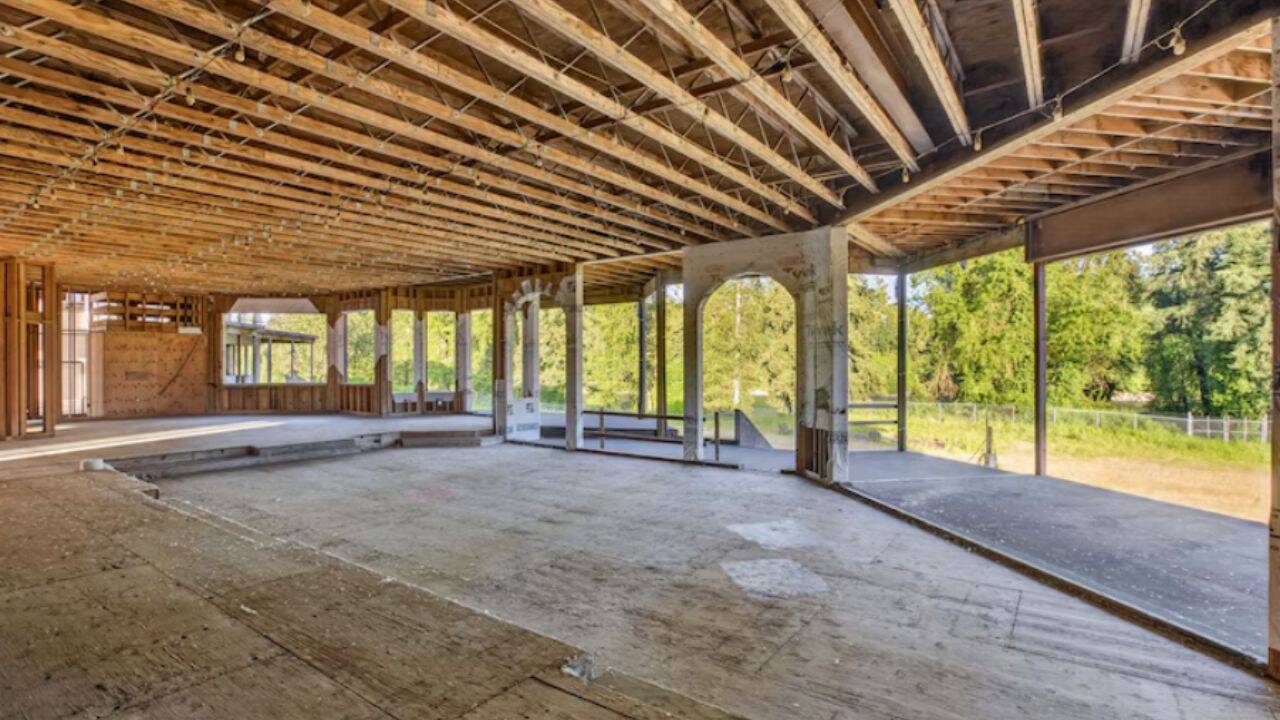
You built a house, but you can't turn on the lights. That sounds like a dystopian movie trailer, but it's the daily reality in Utrecht right now.
Europe wants a clean, fully electrified future yesterday. Brussels demands that every driver plugs in an EV and every homeowner rips out their gas boiler. But nobody bothered to check if the wires in the ground could actually handle the load.
Now, the Netherlands has hit a brick wall. In Utrecht—one of the country's fastest-growing urban centers just south of Amsterdam—the power grid has effectively flatlined. Regional operators have frozen new connections entirely. If you want to build a new apartment complex or scale up an industrial site, you're out of luck.
The Trap of Moving Too Fast with Too Little Iron in the Ground
The Dutch love breaking records. They embraced solar panels and electric vehicle chargers faster than anyone else in Europe. Between 2019 and 2025, they slashed domestic gas consumption from 42 billion cubic meters down to 30 billion.
Sounds like a massive environmental win, right? Honestly, it's a structural nightmare.
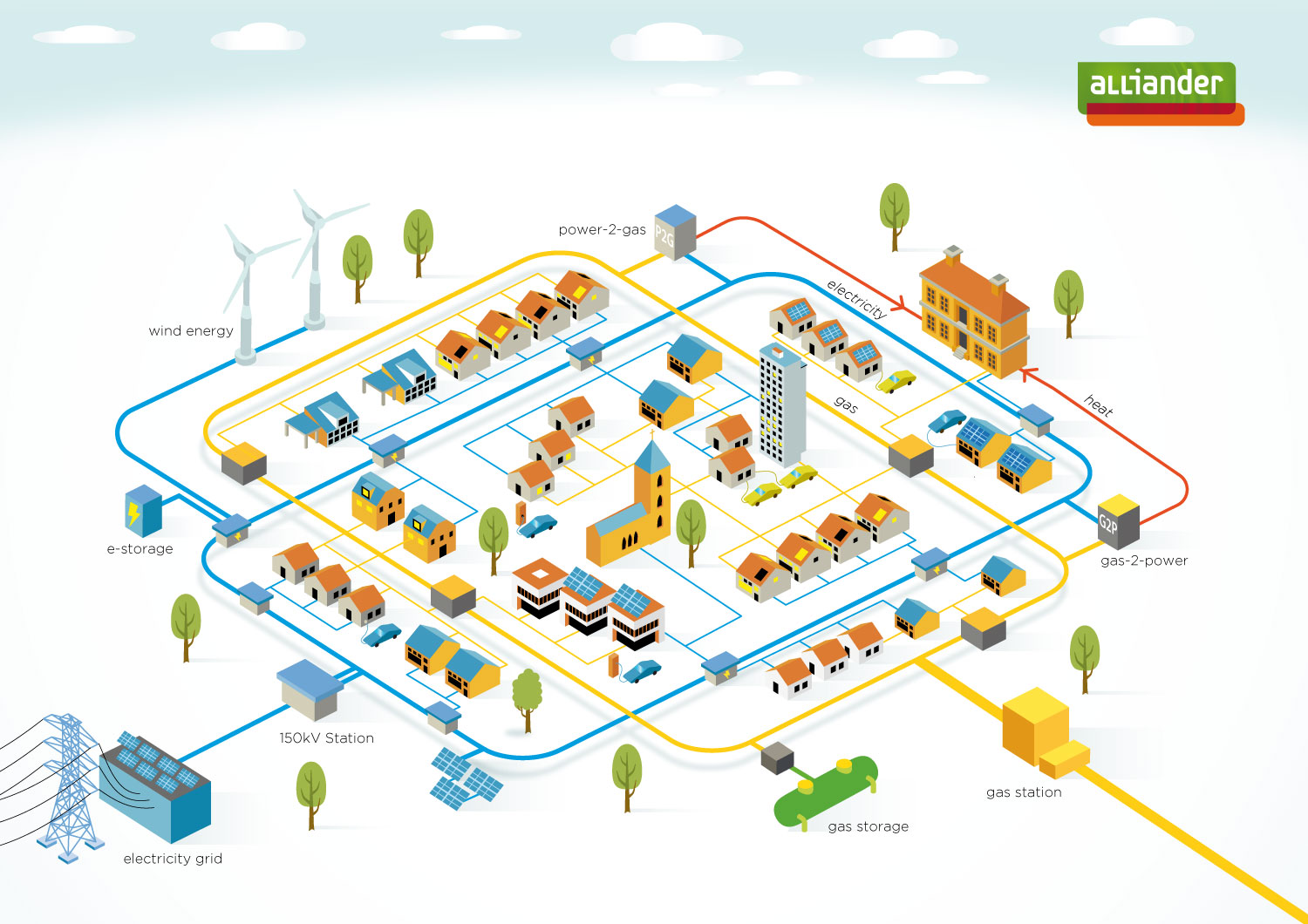
The physical grid—the pylons, copper cables, and neighborhood substations—was never engineered for this influx of decentralized power. While thousands of citizens rushed to put solar arrays on their roofs, the national upgrade cycle moved at the speed of government bureaucracy.
The queue of commercial entities waiting for a basic power connection swelled to roughly 15,000 nationwide. In Utrecht, the grid simply ran out of breathing room. Local mayor Sharon Dijksma warns that this congestion could linger for years, threatening everything from regional economic expansion to affordable housing development.
When Green Ambitions Force a Retreat to Fossil Fuels
The most painful irony of the Utrecht grid freeze is what it forces cities to do next. When clean electricity isn't physically available, you adapt with whatever works.
Regional operator Stedin has resorted to installing backup gas generators around parts of Utrecht just to keep the local strain manageable. Meanwhile, policymakers are scrambling to adjust timelines for hybrid heat pumps, keeping natural gas in the loop much longer than planned.
You wanted a lightning-fast transition to zero emissions. Instead, you get a temporary slide back toward fossil fuels because the grid operators dropped the ball on infrastructure investment.
Tennet, the state-owned transmission operator, plans to throw roughly €85 billion at capacity upgrades between 2025 and 2034. But throwing cash at a problem doesn't string copper wire tomorrow. Building a single major high-voltage substation takes years of public hearings, local zoning battles, and permitting delays. Local opposition blocked nearly ten potential sites for a new substation north of Utrecht alone.
What the Rest of Europe Can Learn Before It Breaks
Utrecht is merely the canary in the coal mine for the entire European Union. The European Commission wants electricity to account for 46 percent of the bloc's energy consumption by 2040, up from a sluggish 23 percent where it has hovered for a decade.
Brussels can set targets all day long. If local distribution networks remain clogged, those targets are just ink on paper.
Smart energy management offers a temporary bandage. Tech startups are trying to build tools that help businesses shift their heavy power consumption to off-peak hours when the sun is blazing and demand is low. Time-dependent tariffs are rolling out to punish heavy usage during peak windows.
Yet, behavioral tweaks can only do so much. As industry insiders point out, a massive percentage of domestic energy goes unused during peak solar production hours simply because the local neighborhood transformers cannot ingest it.
Fixing this mess requires hard, dirty, expensive engineering work under every street in Europe. Until governments streamline the permitting process for electrical infrastructure just as fast as they subsidize solar panels, cities will keep hitting the same invisible wall.
Stop pretending ambition alone keeps the lights on. Dig the trenches, build the substations, and fix the physical pipes of the modern economy before the next city goes dark.