Months at sea change people. When you have spent nearly 300 days floating on a nuclear-powered aircraft carrier with no fresh vegetables and constant operational tension, a standard manicure sounds like heaven.
That is the reality for the crew of the USS Abraham Lincoln. After enduring a grueling 286-day deployment centered around operations in the Middle East, the sailors finally stepped foot in Pattaya, Thailand. Instead of diving straight into the city's infamous nightlife, many crew members headed straight for nail salons, clothing stores, and coffee shops. Building on this topic, you can also read: Why Booking A Fake Stay At Number 10 Downing Street Proves Major Platforms Are Broken.
If you think military deployments are all high-speed action movies, you are missing the psychological toll of long-term isolation. Let us look at what this port call actually reveals about the human side of modern naval warfare.
The Reality of a 286-Day Deployment
Two hundred eighty-six days is a long time to live on a steel warship. Reports from the deployment highlighted immense strain on crew morale. While ship leadership downplayed severe structural crises, the sheer length of time away from land created real pressure. Fresh food ran low. Sleep schedules evaporated. Mental health issues spiked under the weight of active tensions involving Iran. Observers at Condé Nast Traveler have provided expertise on this situation.
When a massive aircraft carrier pulls into port, it is not just a routine break. It is a vital safety valve.
Local officials in Pattaya estimated that the influx of roughly 5,000 crew members could inject millions of dollars into the local economy if each person spends a modest amount daily. Tailors offered lightning-fast 24-hour turnarounds. American brands like Starbucks and Nike saw immediate rushes from sailors craving a taste of home.
Beyond the Stereotypes of Port Towns
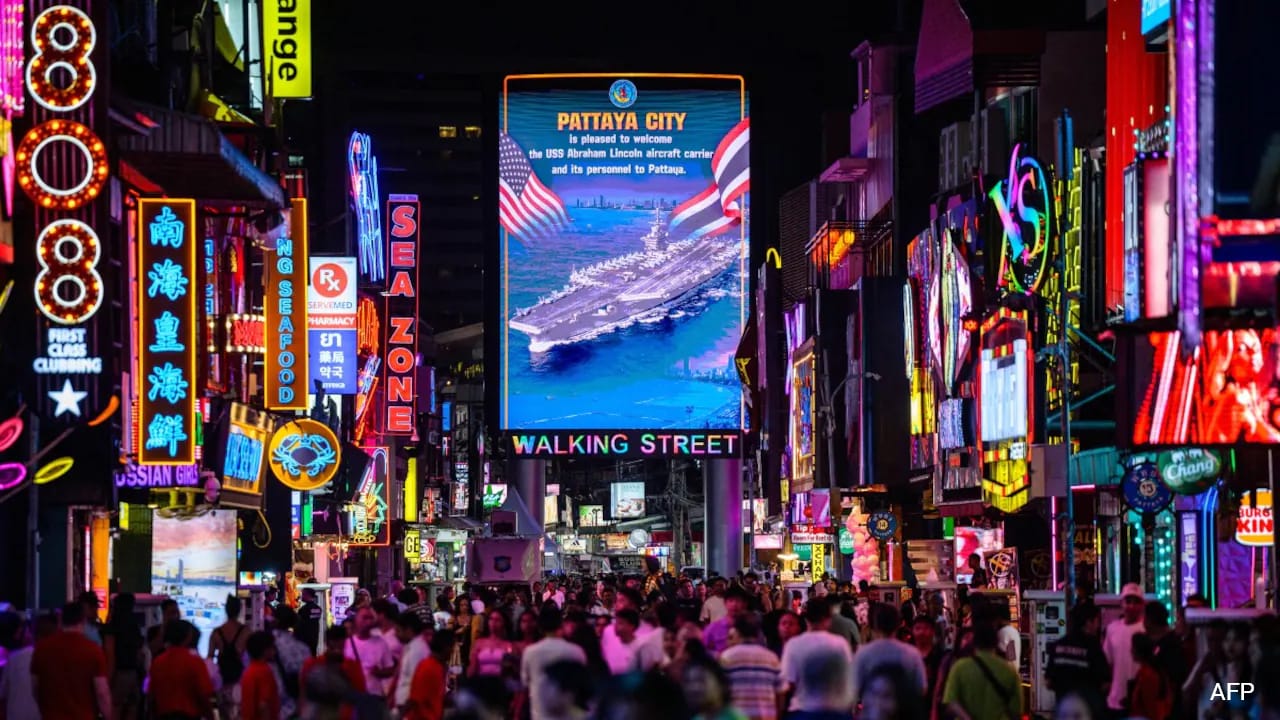
Pattaya carries a specific global reputation. Ahead of the ship's arrival, Thai authorities moved quickly to enforce guidelines and conduct safety sweeps to maintain order during the five-day visit.
Yet, the actual behavior of the sailors surprised many local vendors. Rather than wild partying on Walking Street, interviews with crew members revealed much simpler priorities. Sailors bought basic necessities like fresh socks. One widely shared anecdote involved a sailor proudly showing off a Hello Kitty plush toy bought for his wife at a local store. Mani-pedis, massage therapy, and quiet meals took priority over chaos.
The contrast between the high-stakes geopolitical posture of the US Navy in the Middle East and a sailor sitting quietly in a Thai salon getting a pedicure highlights the surreal nature of military life.
What This Tells Us About Modern Naval Readiness
Naval logistics are not just about fuel, missiles, and spare parts. Crew psychological endurance dictates mission capability just as much as hardware. When fleets stay deployed for nearly ten months straight, retention rates drop and burnout skyrockets.
Military commands face mounting scrutiny over extended deployment lengths. The stop-gap solution of a brief shore leave in Southeast Asia provides temporary relief, but it does not fix structural fatigue within the fleet.
If you want to understand how modern military forces cope with continuous deployment strain, look past the press releases and look at the local nail shops in port cities. That is where you find the real story of recovery. Take care of the small things first, and the rest follows.