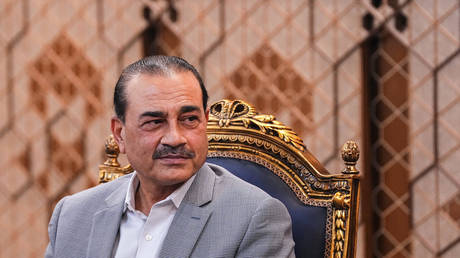
The United States Commission on International Religious Freedom (USCIRF) is back at it again. This time, they are taking aim at the Rashtriya Swayamsevak Sangh (RSS) ahead of chief Mohan Bhagwat’s upcoming tour of the US, Canada, and the UK. If you’ve followed India-US diplomatic spats for a while, this script feels incredibly predictable. The Ministry of External Affairs (MEA) has dismissed the latest noise as "biased" and "lacking in credibility," and honestly, there are sound reasons to look at this skepticism with a fresh set of eyes.
When an international body consistently targets the same country, the average observer has to wonder about the intent. Is it about human rights, or is it about something else?
The Problem with Selective Criticism
The core issue isn't whether criticism is allowed. It’s about who is doing the criticizing and how they do it. The MEA spokesperson, Randhir Jaiswal, didn't hold back during his recent briefing. He basically told everyone that these statements are just background noise that we should tune out.
Why? Because the track record is spotty. When the USCIRF releases reports that lean heavily on ideological narratives while appearing to overlook specific challenges faced by the Indian diaspora in the West—like the recent, well-documented vandalism of Hindu temples—it creates a trust deficit. You can't lecture a nation on religious harmony if you're turning a blind eye to intimidation happening in your own backyard. It feels hypocritical.
Understanding the RSS Centenary Tour
This dust-up is happening right before Mohan Bhagwat’s international tour. He’s heading out to meet the Indian diaspora, an event tied to the RSS centenary year. These events are usually standard fare: cultural engagement, community networking, and connecting with the massive Indian diaspora that plays a significant role in Western economies and societies.
The USCIRF’s demand that the US government avoid high-level diplomatic courtesies for RSS leaders is a classic example of trying to gatekeep international discourse. The reality is that the diaspora has its own agency. They aren't waiting for a commission in Washington to tell them who they should meet or what organizations they should value.
Why the Noise Often Backfires
There’s a clear mismatch between how the USCIRF views Indian internal politics and how those politics are actually experienced on the ground. When you see a foreign commission calling for sanctions on a domestic organization, it doesn't usually lead to deep, reflective change within that country. Instead, it often creates a "rally 'round the flag" effect.
Nationalism is a powerful force. When an external body perceived as biased starts dictating terms, it usually makes the domestic supporters double down on their positions. It doesn't solve the supposed problem. It just hardens the divide.
Moving Beyond the Soundbites
If we want actual progress in international relations, we need better sources than the same tired reports that everyone already expects to see. The diplomatic relationship between India and the US is strong, functional, and vital for both economies. A minor commission throwing stones at a glass house doesn't change the geopolitical reality that these two nations need each other for security, technology, and trade.
The real takeaway here is simple. Stop looking at these reports as objective ground truth. View them for what they are: institutional commentary that often carries the baggage of its own political leanings.
The next time you see a headline screaming about "sanctions" or "concerns," check the source. Ask yourself if the group involved has a history of balanced reporting. In this case, the track record speaks for itself. Don’t get caught up in the sensationalism. The US-India relationship is far too complex to be defined by the opinions of a few commission officials. Watch the actual policy shifts and the real trade deals. That’s where the story actually happens.