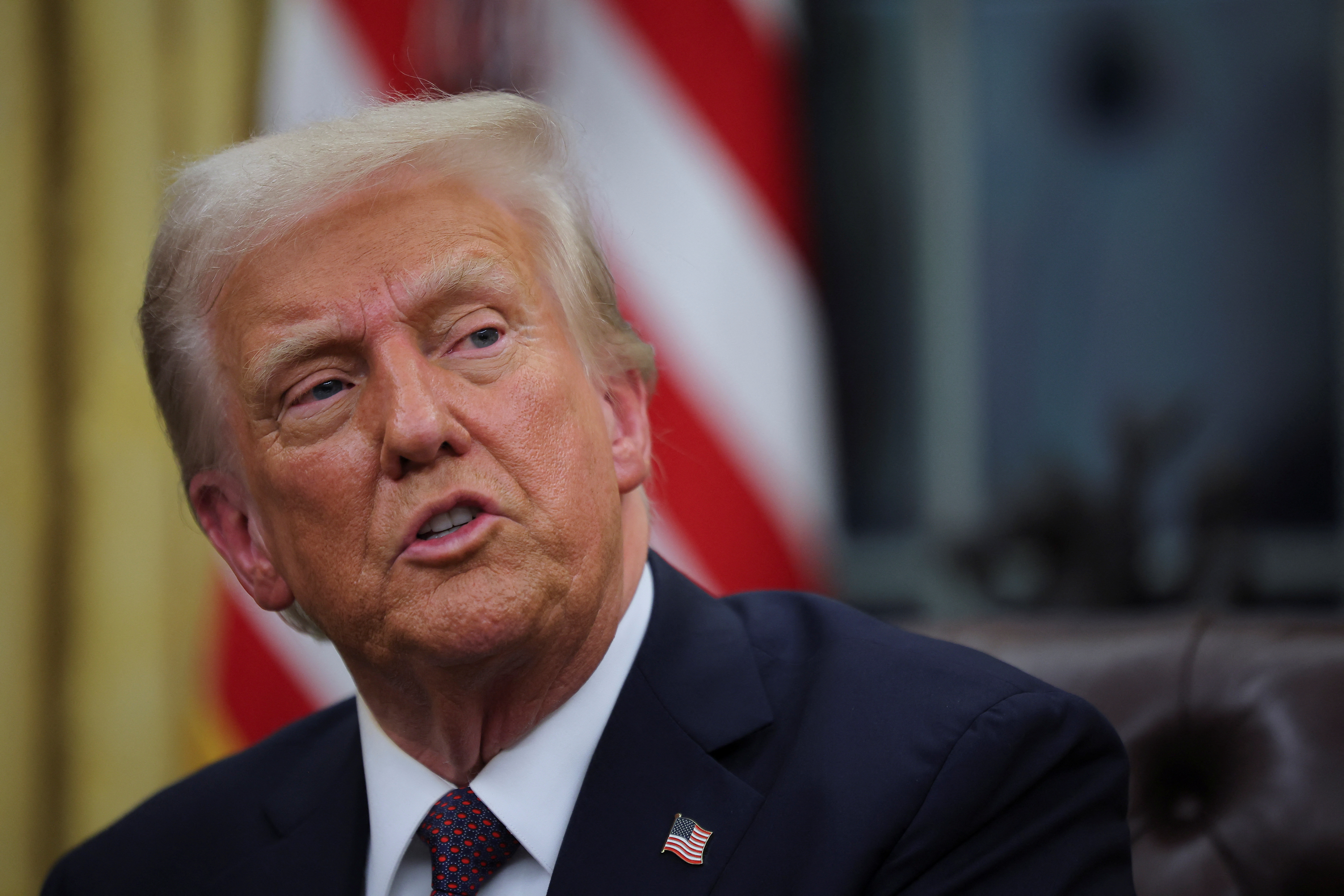
On Wednesday, US Energy Secretary Chris Wright and Saudi Energy Minister Prince Abdulaziz bin Salman quietly signed a bilateral nuclear cooperation agreement. It looked like a done deal—a landmark 123 Agreement paving the way for American nuclear firms to supply technology to the kingdom. Then came Thursday morning.
Donald Trump took to Truth Social with a sudden caveat that threw diplomats and Capitol Hill into a spin. The deal, he declared, is "totally subject to Saudi Arabia joining the very respected and successful Abraham Accords" and recognizing Israel. Just like that, Washington added a massive geopolitical condition to an agreement that was signed without one twenty-four hours earlier.
If you've been following Middle East geopolitics, this pivot shouldn't completely surprise you, but it changes everything on paper.
The Sudden Turn in Washington
The initial announcement from the US Department of Energy highlighted a commercial partnership to expand Saudi civilian energy capacity while keeping American technology at the center. It sounded straightforward enough. Behind closed doors, though, alarm bells started ringing almost immediately in Jerusalem and on Capitol Hill.
Critics from both political parties questioned why the White House was sharing sensitive nuclear technology with Riyadh without extracting a major diplomatic prize in return. Israeli leaders voiced immediate concerns about potential regional proliferation risks. Former Israeli Defense Minister Avigdor Lieberman warned that domestic enrichment capabilities could trigger a regional nuclear arms race.
Trump's post was a classic political pivot to quiet those exact critics. By tying the 123 Agreement directly to the Abraham Accords, the White House attempted to frame a controversial energy transfer as a diplomatic win for Israeli normalization.
"The Civil Nuclear Deal (There will be no enrichment of material!) being made between the Department of Energy and Saudi Arabia... will be approved, but is totally subject to Saudi Arabia joining the very respected and successful Abraham Accords."
— Donald Trump, Truth Social
Why Riyadh Won't Jump at the Deal
Here's where the strategy hits a massive brick wall. Saudi Arabia hasn't changed its position, and Riyadh isn't likely to cave just because Washington added a condition after the signing ceremony.
Crown Prince Mohammed bin Salman has made his requirements clear for years. Saudi Arabia will not formalize ties with Israel without a clear, credible pathway toward an independent Palestinian state. After months of conflict in Gaza, public sentiment across the Arab world has hardened significantly. Accepting normalization right now without substantive movement on Palestinian statehood would cause severe political backlash for the Saudi monarchy.
Former US Ambassador to Saudi Arabia Michael Ratney noted that Riyadh's stance remains firm despite Washington's new demands. The kingdom wants civilian nuclear technology, but it isn't willing to trade its core foreign policy principles on Palestine to get it.
That leaves both sides in a classic diplomatic stalemate:
- Washington insists that nuclear tech transfers require Israeli recognition.
- Riyadh insists that Israeli recognition requires a Palestinian state.
- Israel's current leadership firmly rejects a Palestinian state.
Something has to break, and right now, nobody is budging.
The Proliferation Question Nobody Can Ignore
Beyond diplomatic ties, the technical details of the deal raise serious questions. Under standard Section 123 guidelines of the US Atomic Energy Act, countries receiving American nuclear technology must adhere to strict non-proliferation standards.
The main controversy centers on fuel enrichment. Usually, when the US exports civilian nuclear tech, it requires the recipient country to forgo domestic uranium enrichment and spent fuel reprocessing. The United Arab Emirates agreed to these exact terms in its 2009 "gold standard" agreement with Washington.
Trump's social media post stressed that "there will be no enrichment of material!" Yet, early reporting and draft memos suggested the broader security framework might allow Saudi Arabia to build reactors while outsourcing fuel, or leave room for future domestic enrichment under strict safeguards.
If Washington grants Saudi Arabia a deal that allows domestic fuel processing, neighboring states like the UAE could invoke renegotiation clauses in their own pacts. That scenario would unravel decades of non-proliferation norms in the Middle East overnight.
What Happens in Congress Next
Even if Trump and the Saudis somehow agree on the terms, the agreement faces a brutal fight on Capitol Hill. Congress holds legislative review power over 123 Agreements. Lawmakers can block or force amendments through a joint resolution of disapproval.
Democratic lawmakers have already blasted the proposal. Senator Ed Markey called the arrangement reckless, arguing it risks giving an authoritarian regime dangerous nuclear tools. Several Republicans who traditionally align with Israeli security interests are equally wary of handing nuclear tech to Riyadh without airtight safeguards.
To pass congressional scrutiny, the White House will have to convince skeptical lawmakers that US oversight will be absolute and that China won't simply step into the void if Washington walks away.
Where Things Go from Here
Don't expect a quick resolution. The Trump administration handed Congress a signed agreement, but its added diplomatic preconditions mean the pact is far from finalized.
Keep your eye on three specific developments over the coming months:
- The Official Text: Watch for the exact language submitted to congressional committees, specifically whether it explicitly conditions implementation on the Abraham Accords or domestic enrichment bans.
- Saudi Foreign Policy Statements: Look for whether Prince Mohammed bin Salman reiterates his stance on Palestinian statehood or signals flexibility on economic cooperation.
- Capitol Hill Committee Hearings: Watch the Senate Foreign Relations Committee hearings closely. The questions asked there will tell you whether this deal has any real chance of surviving a congressional vote.
The White House tried to pull off a fast diplomatic win, but by putting Israel at the center of the nuclear conversation, it turned a commercial energy deal into a high-stakes foreign policy gamble.