You sit down to watch elite tennis, but instead of the crisp pop of a clean baseline winner, you hear ring lights clicking and smell weed drifting over the baseline. That was the reality at Flushing Meadows during the tournament. The United States Tennis Association basically doubled down on content creator accreditations to court younger crowds.
It backfired.
The atmosphere at the US Open crossed the line from energetic New York rowdiness into straight-up chaos. Players like Adrian Mannarino didn't mince words, flatly calling the tournament a "zoo." Between TikTok shoots happening mid-game, flashing cameras, and the distinct aroma of cannabis hanging heavy over the court, tennis etiquette took a brutal hit.
Why did this happen? Organizers wanted viral moments and digital reach. They got them, but at the expense of the athletes whose careers hang in the balance on every single point.
The Clash Between Content and Court Etiquette
Tennis is a sport built on absolute silence and intense focus. When players serve, crowds traditionally freeze. That unwritten rule got tossed out the window this year.
During her match, Naomi Osaka had to deal with influencers in the luxury suites setting up portable ring lights and filming right as she tossed the ball. The chair umpire had to repeatedly halt play to scold spectators. Osaka pointed out post-match that she had never heard an umpire plead for quiet so often at any other major tournament.
Players understand the business side of sports. They know social media engagement matters. But there is a huge difference between organic fan excitement and manufactured influencer content.
Coco Gauff put it bluntly: if you get invited to a formal event, you don't show up in denim. The same logic applies to court behavior. Mouthing TikTok trends or using flash photography during a point isn't just annoying; it ruins the competitive integrity of a Grand Slam. When you're fighting for a multi-million dollar paycheck, a blinding light or loud chatter can throw off your toss entirely.
Beyond Ring Lights: The Other Disgusted Voices
The disruption wasn't just about social media stars trying to boost their follower counts. The tournament faced a massive wave of complaints regarding general crowd control, alcohol-fueled heckling, and substance use right in the stands.
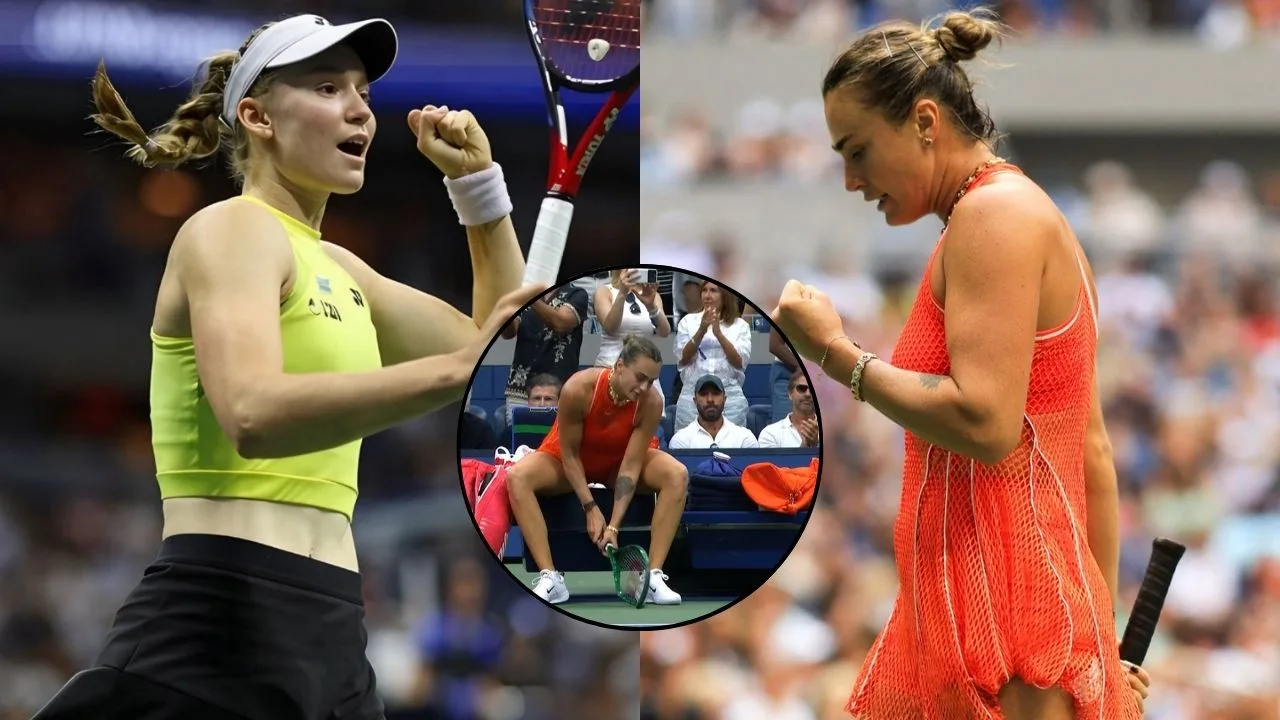
Aryna Sabalenka had to briefly pause her match to complain to the umpire about the heavy smell of marijuana drifting onto the court. Jakub Menšík had to deal with drunk spectators heckling him during tight night sessions.
Adrian Mannarino was particularly direct when assessing the current state of Flushing Meadows. He noted that people are allowed to move around constantly during play, noise comes from everywhere, and you can smell cannabis on the court. To him and many veterans, it feels less like a prestigious major and more like an untamed festival.
Can Tournaments Fix This Mess?
Other Grand Slam events are already watching closely and adjusting their strategies. Reports indicate that events like Wimbledon are looking closely at how to handle—or outright restrict—influencer credentials to avoid the exact PR nightmare New York experienced.
If the USTA wants to keep welcoming digital creators, strict boundaries need to happen. Tournaments cannot afford to alienate the athletes who built the sport just to appease people hunting for short-term views. Security needs to crack down on flash photography immediately, and ushers must restrict movement during active games.
Respect the players, respect the game, and leave the ring lights at home.