The fragile diplomatic truce between Washington and Tehran didn't just crack—it shattered. On July 8, the Islamabad Memorandum collapsed entirely after fresh military strikes threw the region right back into open conflict. If you've been watching the headlines, you know the situation is volatile. But what the mainstream networks aren't explaining clearly is how quickly this impacts global oil stability and regional alliances.
A senior Tehran official confirmed that the highly anticipated US-Iran peace deal has plummeted into a terminal "crisis stage." This breakdown follows a chain reaction of targeted strikes, retaliatory drone operations, and an immediate chokehold on global shipping lanes.
The Spark That Broke the Islamabad Memorandum
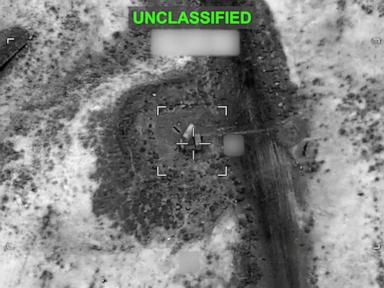
Just weeks ago, the June 17 Islamabad Memorandum looked like a desperate but functioning roadmap to end the 2026 Iran war. That hope evaporated when fighting resumed out of nowhere. Iran reportedly targeted commercial vessels in the Strait of Hormuz, triggering immediate US retaliatory strikes directly on Iranian territory. Within hours, Iran hit back, launching waves of missiles at US bases across the Gulf States.
The fallout spread rapidly to neighboring countries trying to stay out of the crossfire. Kuwait reported that three of its northern land border posts were hit by hostile fire, causing significant material damage. Simultaneously, a drone hit an offshore drilling platform run by the Kuwait Oil Company in Kuwaiti territorial waters, leaving a worker injured.
While Kuwaiti armed forces haven't explicitly named the attacker, the timing makes the origin obvious. The strikes happened in perfect sync with a third round of heavy US airstrikes inside Iran, while Iranian state media actively boasted about targeting Western military footprints in Kuwait, Bahrain, and Qatar.
The Strait of Hormuz Goes Dark Again
The biggest immediate threat to the global economy is unfolding in the water. Following the latest round of US operations, Iran's Persian Gulf Strait Authority announced that passage through the Strait of Hormuz is completely blocked. They blamed "illegal movements" by American naval forces for the shutdown.
This isn't just a local shipping issue. It is a massive chokehold on global energy. When the war initially broke out back in February after the assassination of Supreme Leader Ali Khamenei, the immediate closure of the strait triggered the largest fuel supply disruption in history. Forcing the strait closed again right now means oil prices are bound to spike, and the economic progress made during the brief April and June ceasefires is basically gone.
Why Diplomacy Keeps Hitting a Wall
The core issue is that neither side trusts the other enough to stick to a timeline. The US wants a total end to Iran's nuclear enrichment and a permanent opening of the shipping lanes. On the flip side, Tehran demands immediate, permanent sanctions relief and the unfreezing of assets before they dismantle anything.
With US military build-ups accelerating and regional proxies like Hezbollah still highly active, a piece of paper signed in Pakistan was never going to hold without massive concessions. Right now, neither Washington nor Tehran is willing to blink first.
What to Watch Next
Don't expect a quick return to the negotiating table. The immediate next steps point toward a severe escalation of regional defensive measures and potential supply chain chaos.
- Watch the Energy Markets: Oil and gas sectors will face immediate volatility as the Hormuz closure forces shipping companies to reroute.
- Gulf Security Upgrades: Expect Kuwait, the UAE, and Saudi Arabia to drastically ramp up air defense interceptions and secure offshore infrastructure.
- Naval Blockade Reinforcements: The US is likely to tighten its naval presence around the Gulf to force shipping lanes open, increasing the risk of direct naval skirmishes.